
Can Low Blood Pressure Cause Blurred Vision?
Blurred vision is one of the most frequently reported symptoms of low blood pressure, or hypotension. It often occurs when there is a temporary reduction in the flow of oxygenated blood reaching the brain and the optic nerves. While it can be unsettling to experience a sudden change in your sight, this symptom is usually brief and linked to specific physical movements or environmental factors. This article explains the biological link between blood pressure and vision, identifies common triggers for these episodes, and provides guidance on how to distinguish between a minor blood pressure dip and a more serious clinical concern.
What We’ll Discuss in This Article
- The physiological link between blood pressure and visual clarity.
- Why blurred vision often happens when standing up quickly.
- The role of the optic nerve and brain in hypotension symptoms.
- Common causes of low blood pressure, such as dehydration and medication.
- Physical triggers like heat and large meals that affect vision.
- How to differentiate between harmless blurred vision and emergency signs.
- Practical steps to manage and prevent vision changes.
Why Low Blood Pressure Causes Blurred Vision
Low blood pressure can cause blurred vision because the eyes and the parts of the brain responsible for sight are highly sensitive to changes in blood flow. When blood pressure drops, the supply of oxygen and nutrients to the retina and optic nerve is briefly reduced. This can result in vision that becomes fuzzy, greyed out, or involves seeing ‘stars’ or dark spots. In most cases, the symptom is temporary and resolves once the body stabilises its pressure.
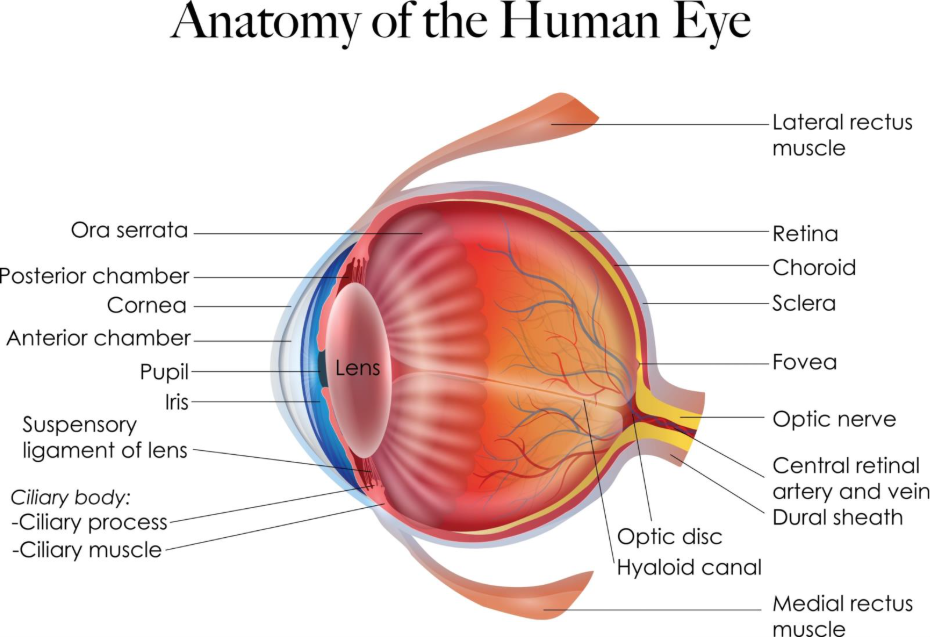
The human body has sophisticated mechanisms to maintain steady blood pressure, but these can lag during sudden movements. When you are in a seated or lying position, your blood is distributed evenly. Upon standing, gravity pulls blood towards the lower limbs. If the heart and blood vessels do not react instantly to push blood back up, the brain and eyes are the first areas to feel the deficit. This is why blurred vision is a primary indicator that your blood pressure has dipped below your body’s required threshold for that moment.
- Vision often ‘fades’ or ‘tunnels’ just before a person feels faint.
- The blurred effect usually lasts only a few seconds.
- Consistent blurred vision that does not resolve quickly may indicate a different underlying issue.
Common Causes of Hypotension-Related Vision Changes
The most common causes for vision changes related to hypotension are dehydration, pregnancy, and certain medications. Dehydration reduces total blood volume, making it more difficult for the cardiovascular system to maintain enough pressure to reach the eyes when you are upright. Similarly, during pregnancy, the circulatory system expands rapidly, which often leads to lower overall pressure and occasional dizzy spells accompanied by blurred sight.
Other clinical factors that can contribute to these symptoms include:
- Medications: Drugs for high blood pressure, heart conditions, or antidepressants can cause pressure to drop too low.
- Anaemia: A lack of red blood cells means that even if blood reaches the eyes, it may not carry enough oxygen.
- Heart Rhythm Issues: If the heart beats too slowly or irregularly, it cannot pump blood effectively to the head.
- Endocrine Disorders: Conditions like an underactive thyroid can disrupt the body’s pressure regulation.
| Cause | Effect on Vision |
| Dehydration | Lower blood volume reduces pressure to the optic nerve. |
| Postural Change | Gravity pulls blood away from the eyes upon standing. |
| Heat Exposure | Widened vessels lower systemic pressure, affecting clarity. |
| Medication Side Effects | Prevents the body from narrowing vessels to support sight. |
Triggers for Sudden Blurred Vision
Sudden blurred vision is often brought on by specific triggers that cause blood pressure to fluctuate rapidly. Moving from a lying position to standing too fast is the most prevalent trigger. Environmental heat, such as being in a hot shower or a sauna, causes blood vessels to dilate (widen), which can lower pressure and blur vision. Some people also experience this after eating a large meal, as blood flow is prioritised for the digestive system.
Triggers to be aware of include:
- Standing Quickly: Moving too fast after waking up or sitting for long periods.
- Hot Weather: High temperatures make it harder for the body to maintain pressure.
- Large Carbohydrate Meals: Postprandial hypotension can cause vision to dim about an hour after eating.
- Alcohol: Alcohol can lead to dehydration and widened blood vessels, worsening the drop.
Differentiation: Occasional Blurring vs. Medical Emergency
It is important to differentiate between a brief moment of blurred vision and symptoms that require urgent medical attention. Occasional blurring that happens only when standing and resolves quickly is usually manageable through lifestyle changes. However, if blurred vision is persistent, accompanied by a severe headache, or occurs alongside confusion and cold, clammy skin, it may indicate a more serious condition such as clinical shock or a neurological event.
| Feature | Postural Blurred Vision | Emergency Vision Changes |
| Duration | Lasts a few seconds. | Persistent or worsening over time. |
| Trigger | Linked to standing or heat. | Often happens without a clear trigger. |
| Recovery | Quick once sitting or lying down. | Does not improve with rest. |
| Other Symptoms | Mild dizziness. | Severe headache, weakness on one side, or confusion. |
Conclusion
Blurred vision is a hallmark symptom of low blood pressure, serving as a warning sign that your brain and eyes need more oxygenated blood. For most people in the UK, these episodes are brief and can be managed by moving more slowly, staying hydrated, and avoiding extreme heat. While usually harmless when linked to postural changes, any vision changes that are persistent or accompanied by severe pain should be reviewed to ensure there are no other underlying health concerns.
If you experience severe, sudden, or worsening symptoms, call 999 immediately.
Why does my vision go black for a second when I stand up?
This is a temporary drop in blood pressure that reduces blood flow to the eyes.9 It is very common and usually resolves within seconds as your body adjusts.
Can dehydration cause permanent vision damage?
While dehydration causes temporary blurred vision due to low blood pressure, it does not typically cause permanent damage unless it leads to severe, prolonged medical complications.
Is blurred vision from low blood pressure more common in the morning?
Does caffeine help clear blurred vision caused by low blood pressure?
Caffeine can provide a temporary boost in blood pressure, but it is not a long-term solution and can sometimes worsen dehydration.
Should I be worried if I see ‘stars’ when I cough?
Straining, such as during a heavy cough, can briefly lower blood pressure and trigger visual disturbances like ‘stars’. It is usually harmless if it happens only occasionally.
Can wearing glasses help with hypotension-related blurring?
No, because the blurring is caused by a lack of blood flow rather than a problem with the shape of the eye or the lens.
Authority Snapshot (E-E-A-T Block)
This article was written by Dr. Rebecca Fernandez, a UK-trained physician with an MBBS and extensive experience in cardiology, internal medicine, and emergency care. Dr. Fernandez has managed critically ill patients and stabilised acute trauma cases, ensuring this guide provides clinically accurate and safe health information. This content is designed to help the public understand the visual symptoms of hypotension based on standard medical frameworks.
