
What Symptoms Suggest Worsening Aortic Stenosis?
Aortic stenosis is a condition that often progresses slowly over many years. Because the heart is a powerful muscle, it can compensate for a narrowed valve for a long time by pumping harder. However, there comes a point where the heart can no longer keep up with the obstruction. When this happens, symptoms begin to emerge. Recognising these symptoms is vital, as they are the body’s way of signalling that the condition has moved from a stable phase to a more serious one. This article explores the specific symptoms that suggest aortic stenosis is worsening and what they mean for your heart health.
What We’ll Discuss in This Article
- The ‘classic triad’ of symptoms that indicate significant valve narrowing.
- Why breathlessness during daily tasks is a primary warning sign.
- The clinical significance of feeling lightheaded or fainting.
- How chest pain (angina) relates to an overworked heart muscle.
- Subtle signs of heart failure, such as ankle swelling and persistent cough.
- When to contact your clinical team and when to seek emergency help.
What are the Main Symptoms of Worsening Aortic Stenosis?
The three hallmark symptoms of worsening aortic stenosis are shortness of breath (especially during activity), chest pain or pressure (angina), and feeling lightheaded or fainting (syncope). Collectively known as the ‘classic triad’, these signs suggest the valve narrowing has become severe. Other indicators include extreme fatigue, heart palpitations, and noticing that you can no longer complete physical tasks that were previously easy.
In the UK, the onset of any of these symptoms is a major clinical ‘trigger’. It usually indicates that the heart muscle is under significant strain and that a review with a cardiologist is required to discuss treatment options like valve replacement.
- Exertional Dyspnoea: Shortness of breath during tasks like walking uphill.
- Angina: Chest discomfort that occurs when the heart works harder.
- Syncope: Fainting, which occurs when the brain is temporarily deprived of blood.
- Reduced Stamina: A general feeling of ‘slowing down’ or needing more rest.
Why is Breathlessness a Sign of Valve Decline?
Breathlessness, or ‘dyspnoea’, is often the first sign that aortic stenosis is worsening. As the aortic valve narrows, blood begins to ‘back up’ because it cannot exit the heart efficiently. This causes the pressure inside the heart to rise, which eventually forces fluid into the small air sacs of the lungs. You may notice this first when climbing stairs, but as the condition worsens, it can occur during simple activities like getting dressed.
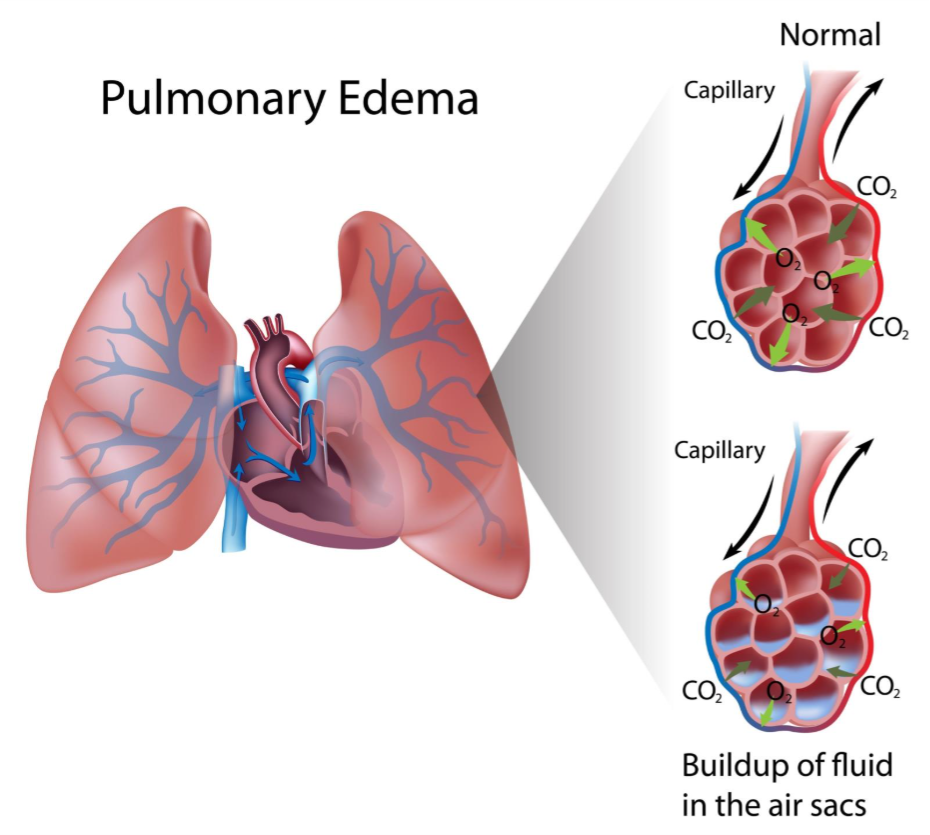
If you find that you need to prop yourself up with extra pillows at night to breathe comfortably (orthopnoea), or if you wake up suddenly at night gasping for air, it is a sign that the fluid buildup is becoming significant.
- Stage 1: Breathlessness only during heavy exercise.
- Stage 2: Breathlessness during mild activity (e.g., walking on flat ground).
- Stage 3: Breathlessness during basic self-care tasks.
- Stage 4: Shortness of breath while sitting still or resting.
Why is Fainting a High-Priority Warning Sign?
Fainting (syncope) or feeling very lightheaded during physical exertion is a high-priority warning sign that aortic stenosis is severe. It suggests that the valve opening is so small that the heart cannot increase blood flow enough to reach the brain when the rest of the body is using oxygen. This is a dangerous sign because it indicates the heart is reaching the limit of its pumping capacity.
- Exertional Syncope: Fainting that happens specifically during or immediately after exercise.
- Near-Syncope: Feeling like the room is spinning or that you are about to black out.
- Clinical Action: In the UK, fainting in a patient with known aortic stenosis is treated as an urgent priority for valve intervention.
What Causes the Symptoms to Appear?
The primary cause of symptoms in aortic stenosis is the physical obstruction of blood flow. As the valve orifice narrows, the left ventricle must generate significantly higher pressure to eject blood. This leads to ‘ventricular hypertrophy’, where the heart muscle thickens and becomes less flexible. Eventually, the heart can no longer compensate for the pressure, leading to the symptoms of heart failure and reduced oxygen delivery to the body.
Reduced Cardiac Output
When the valve is severely narrowed, the heart cannot increase the amount of blood it pumps during exercise. This lack of ‘reserve’ is what leads to sudden fatigue and lightheadedness.
Heart Muscle Strain
The thickened heart muscle requires more oxygen than the coronary arteries can provide. This ‘supply-demand mismatch’ is the fundamental cause of the chest pain (angina) associated with valve disease.
What are the Triggers for a Sudden Worsening?
While the narrowing is usually gradual, certain triggers can cause symptoms to worsen suddenly. An infection, such as the flu or pneumonia, places extra demand on the heart and can trigger a ‘decompensation’ where the heart suddenly struggles to cope. Similarly, the development of an irregular heart rhythm like ‘atrial fibrillation’ can cause a stable patient to become very breathless very quickly.
- Systemic Infection: Fever and inflammation increase the heart rate, straining the valve.
- High Salt Intake: Can trigger sudden fluid buildup in the lungs if the heart is already at its limit.
- Physical Overexertion: Attempting heavy lifting or intense exercise can trigger an acute episode of fainting or chest pain.
Differentiation: General Fatigue vs. Cardiac Fatigue
It is important to differentiate between general tiredness and ‘cardiac fatigue’. General tiredness might follow a busy day or a poor night’s sleep. Cardiac fatigue is a profound lack of energy because your muscles are not receiving enough oxygenated blood. If you feel like your ‘batteries are drained’ even after a quiet day, it may be a sign that your heart valve is restricting your circulation.
| Feature | General Fatigue | Cardiac Fatigue (Valve-related) |
| Trigger | Lack of sleep or stress. | Physical effort or basic movement. |
| Recovery | Improves with rest or sleep. | Often persists despite resting. |
| Accompanying Signs | Moodiness or heavy eyes. | Shortness of breath or heavy limbs. |
| Onset | Usually temporary. | Becomes more frequent and predictable. |
Conclusion
Recognising the symptoms of worsening aortic stenosis is the most important part of managing the condition. While the heart can compensate for a long time, the onset of breathlessness, chest pain, or fainting suggests that the valve narrowing has become critical. By staying alert to these changes and reporting them promptly to your cardiology team, you can ensure that treatment occurs at the right time to protect your heart muscle and improve your quality of life.
If you experience severe, sudden, or worsening symptoms, such as intense chest pain, sudden breathlessness, or fainting, call 999 immediately.
Can symptoms of aortic stenosis come and go?
Symptoms often appear during exercise and disappear with rest, but as the condition worsens, they tend to become more frequent and occur with less effort.
I have no symptoms, but my doctor says my valve is ‘severe’. Why?
Some people subconsciously slow down so much that they never ‘trigger’ their symptoms; your doctor uses ultrasound measurements to determine severity regardless of how you feel.
Is ankle swelling always a sign of a heart problem?
No, but in someone with a known heart murmur, it is a significant sign that needs to be checked by a GP or cardiologist.
What should I do if I feel dizzy while walking?
Stop immediately, sit down, and rest. If it happens frequently, you must contact your doctor for an urgent review of your heart valve.
Can stress make my heart valve symptoms worse?
Stress increases your heart rate and blood pressure, which can make the heart work harder and may cause symptoms like palpitations or breathlessness to feel more intense.
Will my symptoms disappear after a valve replacement?
In most cases, yes; once the obstruction is removed, the heart can pump more easily, and symptoms like breathlessness and fatigue usually improve significantly.
Authority Snapshot (E-E-A-T Block)
This article has been reviewed by Dr. Stefan Petrov, a UK-trained physician with an MBBS and postgraduate certifications including Basic Life Support (BLS) and Advanced Cardiac Life Support (ACLS). With hands-on experience in general medicine, surgery, and intensive care units, Dr. Petrov has extensive clinical expertise in diagnosing and managing patients with heart valve conditions. This guide provides a medically accurate overview of how to identify the signs of a deteriorating heart valve to ensure your safety and well-being.
