
Can a cough with phlegm and breathlessness be a sign of lung disease?
Respiratory symptoms like a cough that produces phlegm and a feeling of being short of breath are common experiences, often associated with short term viral infections. However, when these symptoms occur together and persist, they can be a significant indicator of an underlying lung condition. Understanding how to interpret the duration, severity, and nature of these symptoms is essential for distinguishing between a minor illness and a chronic respiratory disease that requires professional medical management.
What We’ll Discuss in This Article
- The link between a productive cough and lung health.
- Common lung diseases associated with phlegm and breathlessness.
- When the colour of phlegm indicates a clinical concern.
- The difference between acute infections and chronic lung conditions.
- Emergency warning signs that require immediate medical attention.
Understanding a Cough with Phlegm
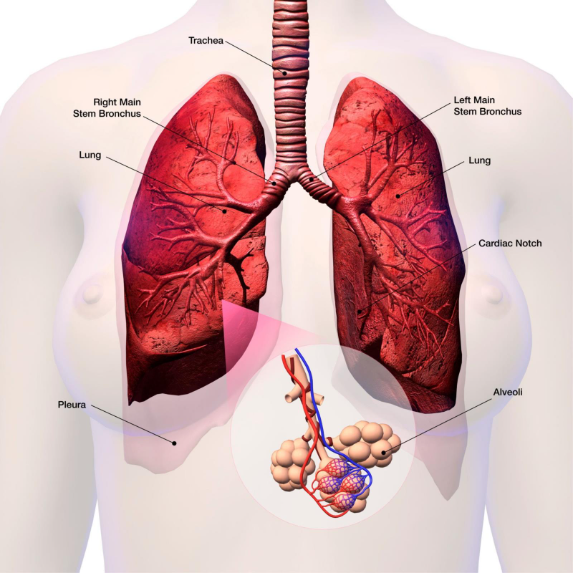
A cough is a natural reflex that helps clear the airways of mucus and irritants, and when it produces phlegm, it is known as a productive or chesty cough. Phlegm is a type of mucus produced in the lungs and lower respiratory tract, and its production often increases when the airways are inflamed or infected. While a temporary increase in phlegm is common during a cold, a persistent productive cough can signal that the lungs are struggling with a long-term irritant or a chronic inflammatory process.
When the body produces excess phlegm, it can physically obstruct the smaller airways, making it harder for air to pass through. This is why a cough with phlegm is frequently accompanied by breathlessness. Healthcare professionals often ask about the consistency and amount of phlegm to help identify whether the cause is likely a temporary infection, like bronchitis, or a more permanent condition affecting the lung structure.
Breathlessness and its Connection to Lung Disease
Breathlessness, also known as dyspnea, is a common symptom of several lung conditions and may occur during activity or even at rest. When the lungs are affected by disease, they may become less efficient at transferring oxygen into the bloodstream, leading to a sensation of being unable to catch one’s breath. In the context of a cough with phlegm, breathlessness often indicates that the airways are narrowed by inflammation or blocked by mucus.
The severity of breathlessness often correlates with the extent of the underlying lung issue. For example, breathlessness that comes on suddenly may indicate an acute infection like pneumonia, whereas breathlessness that develops gradually over several years is more characteristic of chronic obstructive pulmonary disease (COPD). It is important to monitor whether the breathlessness is getting worse over time or if it limits daily activities like walking or climbing stairs.
Common Lung Conditions with These Symptoms
Several serious lung diseases present with the combination of a productive cough and breathlessness. Identifying these early through clinical consultation is vital for effective treatment.
| Condition | Typical Presentation | Key Characteristics |
| COPD | Long term cough and breathlessness. | Persistent chesty cough with phlegm and frequent chest infections are common symptoms of COPD. |
| Bronchiectasis | Frequent coughing up of large amounts of phlegm. | Permanent widening of the airways leading to mucus buildup. |
| Asthma | Wheezing and breathlessness. | Often triggered by specific environmental factors or exercise. |
| Pneumonia | Sudden cough, fever, and breathlessness. | An acute infection causing inflammation in the air sacs of the lungs. |
Interpreting the Colour of Phlegm
While the colour of phlegm cannot provide a definitive diagnosis on its own, it can offer clues about what is happening in the respiratory system. Clear or white phlegm is often seen in viral infections or chronic conditions like asthma. Yellow or green phlegm typically indicates that the body is fighting an infection, as white blood cells are present in the mucus.
More concerning colours include brown or rust coloured phlegm, which can sometimes be a sign of older blood or certain types of pneumonia. Coughing up blood, or blood stained phlegm, is a serious symptom that requires an urgent medical appointment. Even small amounts of blood in the phlegm should be investigated by a doctor to rule out serious conditions, including lung cancer or a pulmonary embolism.
Conclusion
A cough with phlegm and breathlessness can indeed be a sign of lung disease, especially if the symptoms are persistent or worsening. While often linked to temporary infections, these symptoms are also the hallmarks of chronic conditions such as COPD and bronchiectasis. Monitoring the duration of the cough and any changes in your ability to breathe is essential for respiratory health. If you experience severe, sudden, or worsening symptoms, call 999 immediately.
How long should a chesty cough last before I see a doctor?
You should book an appointment with a GP if your cough has lasted for more than three weeks.
Is green phlegm always a sign of a bacterial infection?
No, green phlegm indicates that your immune system is active, but it can occur with both viral and bacterial infections.
Can heart problems cause a cough with phlegm?
Yes, certain heart issues like heart failure can cause fluid to build up in the lungs, leading to breathlessness and a cough with frothy phlegm.
What is the difference between phlegm and mucus?
Mucus is produced throughout the body, whereas phlegm refers specifically to the mucus produced by the lower respiratory system in response to inflammation.
Why is my breathlessness worse in the morning?
Mucus can pool in the airways overnight while you are lying flat, which can make coughing and breathing more difficult immediately after waking up.
Can smoking cause a persistent cough with phlegm?
Yes, smoking irritates the airways and is the primary cause of the chronic cough and phlegm production seen in COPD.
Authority Snapshot (E-E-A-T Block)
This article was produced by the Medical Content Team to provide safe, evidence based information for the public regarding respiratory health. It has been reviewed for clinical accuracy by Dr. Stefan Petrov, a UK trained physician with experience in general medicine and emergency care. The content follows the clinical guidance and standards set by the NHS and NICE to ensure accuracy and patient safety.
