
Can heart problems cause breathlessness, cough or wheezing?
Symptoms like breathlessness, coughing, and wheezing are typically associated with lung conditions, but they can also be significant indicators of heart problems. The heart and lungs work closely together to circulate oxygen throughout the body, meaning that when the heart is unable to pump blood efficiently, fluid can build up in the lungs. This connection highlights why respiratory distress is often a primary symptom for those experiencing cardiac issues such as heart failure or coronary heart disease.
What We’ll Discuss in This Article
- The physiological link between heart function and breathing.
- How heart failure leads to fluid accumulation in the lungs.
- The characteristics of a “cardiac cough” and wheezing.
- Distinguishing between heart-related and lung-related breathlessness.
- When these symptoms signal a medical emergency.
The Relationship Between the Heart and Lungs
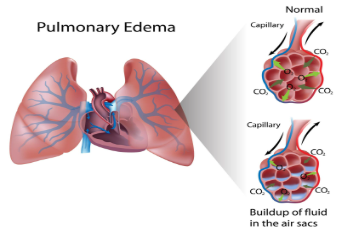
Heart problems can frequently cause breathlessness, coughing, or wheezing because a struggling heart can lead to a backup of fluid in the pulmonary system. When the heart muscle is weakened or damaged, it cannot move blood forward effectively, causing pressure to increase in the veins that take blood from the lungs to the heart. This pressure eventually forces fluid into the air sacs of the lungs, a process that interferes with normal oxygen exchange and irritates the airways.
This physiological overlap means that what feels like a chest infection or asthma can sometimes be an early sign of a cardiovascular condition. It is essential for patients to understand that persistent respiratory symptoms require a holistic medical review that considers both heart and lung health. Clinicians often use specific diagnostic tests to determine whether the source of breathing difficulty is the heart, the lungs, or a combination of both.
Breathlessness as a Symptom of Heart Failure
According to the NHS, breathlessness is one of the most common symptoms of heart failure and may occur during physical activity or even while resting. This occurs because the heart is unable to keep up with the body’s demand for oxygenated blood, or because fluid is physically obstructing the lungs.
A specific type of breathlessness associated with heart issues is orthopnoea, which is difficulty breathing when lying flat. Patients may find they need to prop themselves up with multiple pillows at night to breathe comfortably. Another sign is waking up suddenly in the middle of the night feeling severely short of breath, which is often a result of fluid settling in the lungs during sleep.
Characteristics of a Cardiac Cough and Wheezing
The NHS notes that a persistent cough or wheezing, which may be worse at night or when lying down, can be a sign of heart failure. Unlike a typical cold where a cough might produce thick yellow or green mucus, a heart-related cough often produces a frothy, white, or blood-tinged sputum. This is caused by the congestion of fluid in the lungs rather than an infection.
Wheezing in this context is sometimes referred to as “cardiac asthma.” While it sounds very similar to bronchial asthma, the cause is the swelling of the airway tissues due to fluid backup. Because these symptoms can mimic lung disease, it is vital to monitor whether they occur alongside other heart-related signs like ankle swelling or extreme fatigue.
Distinguishing Heart Issues from Lung Conditions
Determining if breathlessness is caused by the heart or lungs involves looking at the accompanying symptoms and the context in which the breathing difficulty arises. While both systems can cause similar distress, certain patterns are more indicative of cardiac failure than respiratory infection or asthma.
| Feature | Heart-Related (e.g., Heart Failure) | Lung-Related (e.g., COPD/Asthma) |
| Breathlessness | Worse when lying flat; improved by propping up. | Often triggered by exercise, cold air, or allergens. |
| Cough Type | Persistent, frothy, white, or pink-tinged sputum. | Dry or productive of thick green/yellow mucus. |
| Associated Signs | Swollen ankles, legs, or abdomen; fatigue. | Fever, sore throat, or a history of smoking. |
| Wheezing | Often occurs with fluid congestion signs. | Usually follows a “tight” chest feeling or trigger. |
Conclusion
Breathlessness, coughing, and wheezing are common symptoms of heart conditions like heart failure due to fluid buildup in the lungs. While these are often mistaken for lung issues, the presence of other signs such as swollen ankles or difficulty breathing when lying flat can point toward a cardiac cause. Understanding this link is vital for receiving the correct treatment and managing long-term heart health. If you experience severe, sudden, or worsening symptoms, call 999 immediately.
Can a heart attack cause wheezing?
While a heart attack primarily causes chest pain, it can lead to sudden heart failure, which may result in rapid breathlessness and wheezing.
Why does my heart-related cough get worse at night?
When you lie down, fluid that has accumulated in your legs during the day moves toward your chest, putting more pressure on your lungs and triggering a cough.
Can heart palpitations cause breathlessness?
Yes, an irregular or fast heartbeat can make the heart less efficient at pumping blood, which can lead to a sudden feeling of being short of breath.
Is wheezing always a sign of asthma?
No, wheezing can also be caused by heart failure, lung infections, or chronic obstructive pulmonary disease (COPD).
What does frothy sputum indicate?
Frothy sputum that is white or pink-tinged is a significant indicator of fluid in the lungs, often linked to acute heart failure.
How do doctors tell the difference between heart and lung breathlessness?
Doctors use a combination of physical exams, blood tests (like NT-proBNP), chest X-rays, and heart scans (echocardiograms) to identify the cause.
Authority Snapshot (E-E-A-T Block)
This guide was created by the Medical Content Team to help the public understand the link between cardiovascular health and respiratory symptoms. It has been reviewed by Dr. Stefan Petrov, a UK-trained physician with experience in general medicine and emergency care. All information provided adheres to the clinical standards and guidelines established by the NHS and NICE.
