
Do symptoms get worse with age or can people remain stable with cystic fibrosis?
Cystic fibrosis is historically described as a progressive condition, meaning that the symptoms typically become more severe and the associated organ damage increases over the course of an individual’s life.1 This progression is driven by the cumulative effect of chronic inflammation, recurring infections, and the structural changes that occur in the lungs and digestive system.2 However, the introduction of highly effective medical treatments and proactive specialist care has significantly altered this trajectory for many people in the United Kingdom. While the underlying genetic fault remains, many individuals are now able to maintain high levels of health stability for many years, delaying the onset of severe complications that were once common in early adulthood.
What We’ll Discuss in This Article
- The progressive nature of the condition and how it affects the body over time.
- How modern CFTR modulator therapies help to maintain health stability.
- The role of early intervention and treatment adherence in slowing decline.
- Common age-related complications such as diabetes and bone thinning.3
- The differences in stability for those diagnosed in adulthood.
- How specialist monitoring in the UK identifies and manages changes in health.
The progressive nature of cystic fibrosis
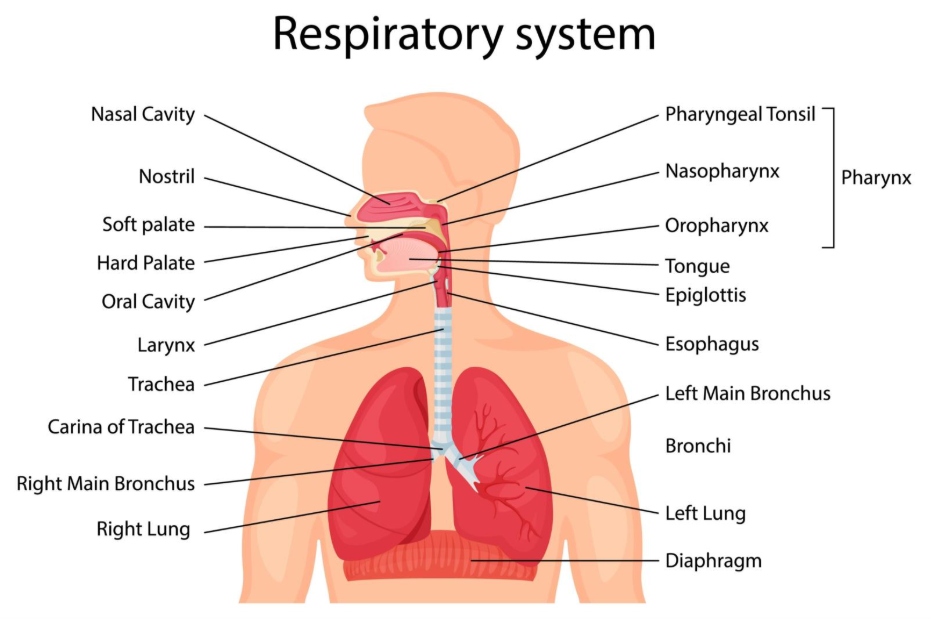
In its traditional course, cystic fibrosis is a condition that slowly causes increasing damage to the lungs and other organs due to the persistent presence of thick, sticky mucus.4 According to the NHS, the lungs and digestive system become increasingly damaged over many years, which can eventually lead to respiratory failure if not managed effectively. This damage is often the result of a cycle where mucus blocks the airways, leading to infections and inflammation that cause scarring (bronchiectasis). As this scarring accumulates, the lungs lose their elasticity and their ability to exchange oxygen, leading to a gradual decline in lung function that is often measured by a person’s FEV1 score during clinical check-ups.
Achieving stability with CFTR modulators
The most significant change in the way cystic fibrosis progresses has come from the development of CFTR modulator therapies, which target the underlying protein defect rather than just the symptoms. Evidence from the UK Cystic Fibrosis Registry shows that patients taking these modulators experience a significantly slower decline in lung function and fewer hospitalisations compared to those not on the medication. For many individuals, these drugs have turned a condition characterized by steady decline into one of long-term stability. By improving the salt and water balance at the cellular level, modulators keep the mucus thinner and easier to clear, which breaks the cycle of chronic infection and prevents new damage from forming in the lungs and pancreas.
Factors that influence long-term stability
Whether a person remains stable or experiences a more rapid progression of symptoms depends on a variety of internal and external factors. Genetic mutations play a major role, as individuals with “residual function” mutations often have a naturally slower disease progression than those with “minimal function” mutations. Treatment adherence is equally critical, as the consistent use of airway clearance techniques, inhaled antibiotics, and pancreatic enzymes prevents the “silent” damage that can occur even when a patient feels relatively well. Furthermore, environmental factors such as avoiding cigarette smoke and maintaining high standards of infection control are essential for preventing the pulmonary exacerbations that can cause sudden drops in lung function.
Managing age-related complications
As people with cystic fibrosis live longer, they face new health challenges that are often related to the long-term impact of the condition on various organ systems.5 Cystic-fibrosis-related diabetes (CFRD) is one of the most common complications that develops with age, occurring as the pancreas becomes increasingly scarred over time. Bone health is another significant concern, as chronic inflammation and difficulties with vitamin absorption can lead to early-onset osteoporosis or osteopenia.6 Specialist centres in the UK provide regular screening for these issues during annual reviews, ensuring that treatments like insulin for diabetes or bisphosphonates for bone strength are started early to maintain the patient’s overall stability and quality of life.
Stability in adult-diagnosed cystic fibrosis
Shutterstock
Explore
A small percentage of people are not diagnosed with cystic fibrosis until they are teenagers or adults, often because they carry mutations that result in milder symptoms. For these individuals, the condition may remain stable for several decades, manifesting only as recurring sinus problems, pancreatitis, or fertility issues. NICE guidance notes that people diagnosed later in life typically have better-preserved lung function and are more likely to be pancreatic sufficient, meaning their symptoms may progress much more slowly than those diagnosed in infancy. However, even with a milder presentation, these patients still require specialist monitoring to ensure that any sudden changes in their health are identified and treated promptly.
The role of the specialist team in monitoring
Maintaining stability requires a lifelong partnership between the patient and their specialist multidisciplinary team. In the UK, the focus of care is on the “Annual Review,” a comprehensive health check that looks at every organ system affected by the condition. By tracking trends in lung function, weight, and blood sugar over several years, the team can identify early signs of progression that the patient might not yet notice. This proactive approach allows for “early intervention,” where treatments are intensified or changed to arrest a decline before it becomes permanent. This model of care is a primary reason why survival rates and health stability for people with cystic fibrosis in the UK have improved so dramatically.
| Disease Characteristic | Typical Progression (Traditional) | Stability (Modern Management) |
| Lung Function | Steady annual decline in FEV1. | Slower decline; often stable for years. |
| Nutritional Status | Frequent weight loss and malnutrition. | Maintained weight through enzymes/diet. |
| Infections | Frequent and severe hospitalisations. | Reduced frequency due to modulators. |
| Complications | Early onset of diabetes and liver issues. | Delayed or managed through screening. |
Conclusion
While cystic fibrosis is naturally a progressive condition, it is no longer the case that every patient faces a rapid decline in health with age. Through the use of revolutionary modulator therapies and intensive specialist monitoring, many people are now achieving long-term health stability that allows them to lead active and fulfilling lives. The key to maintaining this stability lies in early diagnosis, a personalised treatment plan, and consistent adherence to daily therapies. If you experience severe, sudden, or worsening symptoms, call 999 immediately.
Can cystic fibrosis symptoms ever improve?
While the underlying damage is often permanent, many people experience a significant improvement in their daily symptoms and energy levels after starting modulator medications.7
Does everyone with cystic fibrosis eventually need a lung transplant?
No, many people maintain stable lung function for their entire lives, and the need for transplants has decreased significantly since the introduction of new therapies.
Why do some people with the same genes progress differently?
Stability is influenced by “modifier genes” and environmental factors, such as exposure to pollution or the frequency of viral infections.
Is it possible to stay stable without modulator drugs?
Some people with specific “mild” mutations can remain stable for many years through high-quality traditional care like physiotherapy and nutrition.
Does stability in childhood guarantee stability in adulthood?
Not necessarily, as the demands on the body change during puberty and adulthood, requiring constant monitoring and adjustment of treatment.
Does aging with CF mean more time spent on treatments?
For some, treatments may increase to manage age-related complications, but for many on modulators, the overall time spent on treatments has actually decreased.
Is there a higher risk of other diseases as I age with CF?
Yes, as life expectancy increases, clinicians are monitoring for age-related issues like cardiovascular disease and colorectal cancer more frequently.
Authority Snapshot (E-E-A-T Block)
This article provides a clinical overview of how cystic fibrosis symptoms change with age, ensuring all information is consistent with current NHS and NICE clinical guidance. The content is authored by a professional medical writing team and has been reviewed by Dr. Rebecca Fernandez, a UK-trained physician with extensive experience in cardiology, internal medicine, and emergency care. Our objective is to provide evidence-based and realistic information regarding disease progression and stability within the UK healthcare framework.
