
What is cystic fibrosis?
Cystic fibrosis is a genetic condition that is present from birth and affects the movement of salt and water in and out of cells. This imbalance results in the production of thick, sticky mucus that can build up in various parts of the body, particularly the lungs and the digestive system. While it is a lifelong condition that requires daily management, advances in treatment continue to improve the quality of life and long-term outcomes for those affected.
What We’ll Discuss in This Article
- How cystic fibrosis is inherited through genetics.
- Common symptoms affecting the respiratory and digestive systems.
- The diagnostic process, including the newborn screening test.
- Daily management strategies and the role of specialist care teams.
- Potential complications and long-term health considerations.
- The impact of modern treatments on life expectancy and well-being.
The genetic cause of cystic fibrosis
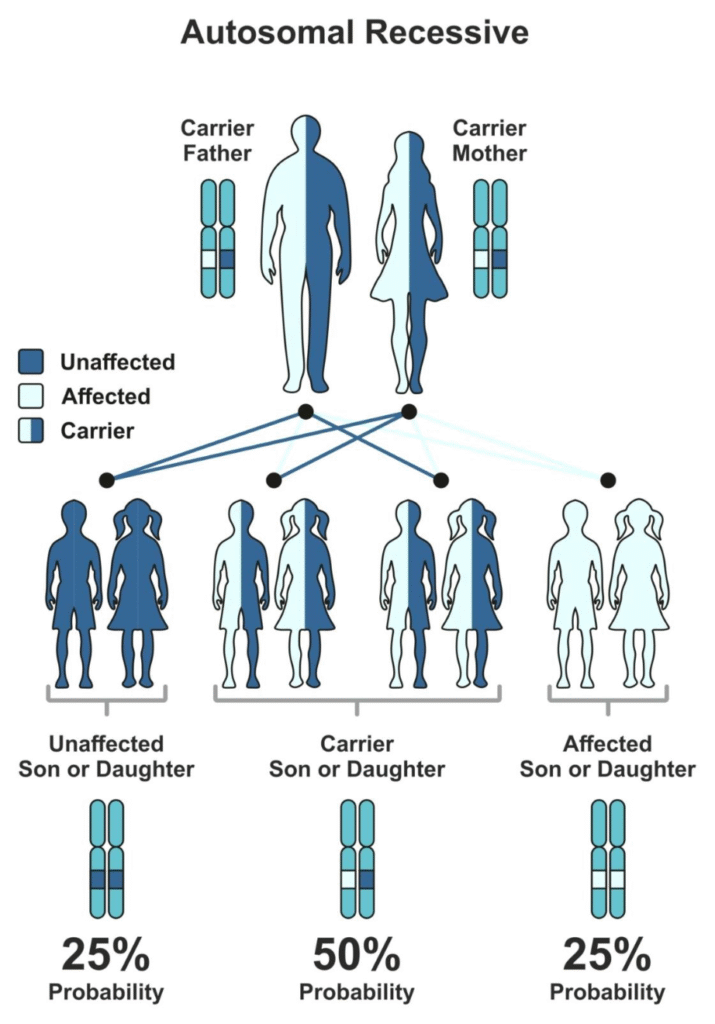
Cystic fibrosis is an inherited condition caused by a faulty gene that a child must inherit from both of their parents to develop the disorder. According to the NHS, around 1 in 25 people in the UK are carriers of the faulty gene, usually without knowing it. When two carriers have a child, there is a one in four chance the child will have the condition.The faulty gene affects a protein that regulates salt levels, leading to the characteristic build-up of thick mucus in the body’s tubes and passageways.
Shutterstock
Explore
Common symptoms and early signs
The symptoms of cystic fibrosis typically appear in early childhood, although the severity and combination of symptoms can vary significantly between individuals.In the lungs, the sticky mucus causes a persistent cough, wheezing, and frequent chest infections.In the digestive system, it often blocks the flow of enzymes from the pancreas, making it difficult for the body to break down and absorb nutrients from food.This can lead to greasy stools, stomach pain, and difficulty gaining weight or growing at the expected rate.
Diagnosis and the newborn screening programme
Most cases of cystic fibrosis in the UK are now identified shortly after birth through the routine newborn blood spot test.NICE guidance states that if the screening test suggests a child may have the condition, further diagnostic tests such as a sweat test or genetic testing are used for confirmation. The sweat test measures the amount of salt in the skin’s sweat, which is typically much higher in people with cystic fibrosis.Early diagnosis allows for treatment to begin as soon as possible, which is vital for maintaining long-term health.
Managing the condition daily
Management of cystic fibrosis involves a rigorous daily routine designed to clear mucus from the lungs and support the digestive system. Airway clearance techniques, often performed with the help of a physiotherapist, use specific breathing exercises and physical movements to help shift mucus so it can be coughed out. Patients also often take a range of medications, including antibiotics to prevent infections and enzymes with every meal to help with digestion. Exercise is also a crucial part of the routine as it helps to keep the lungs clear and the body strong.
Potential long-term complications
As individuals with cystic fibrosis get older, they may develop other health conditions related to the long-term impact of the disorder on different organs.One common complication is cystic fibrosis-related diabetes, which occurs because the pancreas becomes damaged over time.Other potential issues include thinning of the bones (osteoporosis), liver problems, and reduced fertility.Regular reviews with a specialist multidisciplinary team are essential to monitor for these complications and adjust treatment plans as needed.
| Symptom Category | Common Features |
| Respiratory | Persistent cough, wheezing, recurring chest infections, and shortness of breath. |
| Digestive | Greasy stools, constipation, stomach pain, and difficulty gaining weight. |
| Other | Very salty sweat, finger clubbing, and slower than expected growth in children. |
Conclusion
Cystic fibrosis is a complex, lifelong genetic condition that primarily impacts the lungs and digestive health.While there is currently no cure, modern treatments and a dedicated daily management routine allow many people with the condition to live active and fulfilling lives.Consistent monitoring by specialist healthcare teams ensures that symptoms are managed effectively and complications are addressed early.
If you experience severe, sudden, or worsening symptoms, call 999 immediately.
Can you catch cystic fibrosis from someone else?
No, cystic fibrosis is a genetic condition you are born with and it cannot be caught like a cold or flu.
Is cystic fibrosis always diagnosed at birth?
While most cases are found during newborn screening, some milder forms may not be diagnosed until later in childhood or even adulthood.
What is a carrier of cystic fibrosis?
A carrier has one copy of the faulty gene but does not have the condition themselves, though they can pass the gene to their children.
Why do people with cystic fibrosis have salty sweat?
The faulty gene affects how salt moves across cell membranes, causing higher than normal levels of salt to be excreted in sweat.
Can people with cystic fibrosis meet each other?
People with the condition are generally advised not to meet face to face to avoid the risk of passing harmful lung infections to one another.30
Do adults with cystic fibrosis still need physiotherapy?
Yes, airway clearance remains a vital part of the daily routine throughout adulthood to maintain lung health.
Are there new treatments available for cystic fibrosis?
Yes, newer medications called CFTR modulators target the underlying cause of the condition for certain genetic mutations.31
Authority Snapshot (E-E-A-T Block)
This article provides an overview of cystic fibrosis based on established medical facts and clinical standards. The content is written by a dedicated medical team and reviewed by an experienced UK physician to ensure it adheres to current NHS and NICE guidelines. It is intended for educational purposes and to support the understanding of patients and their families regarding the condition.
