
Are there screening tests for people at high risk of pulmonary embolism?
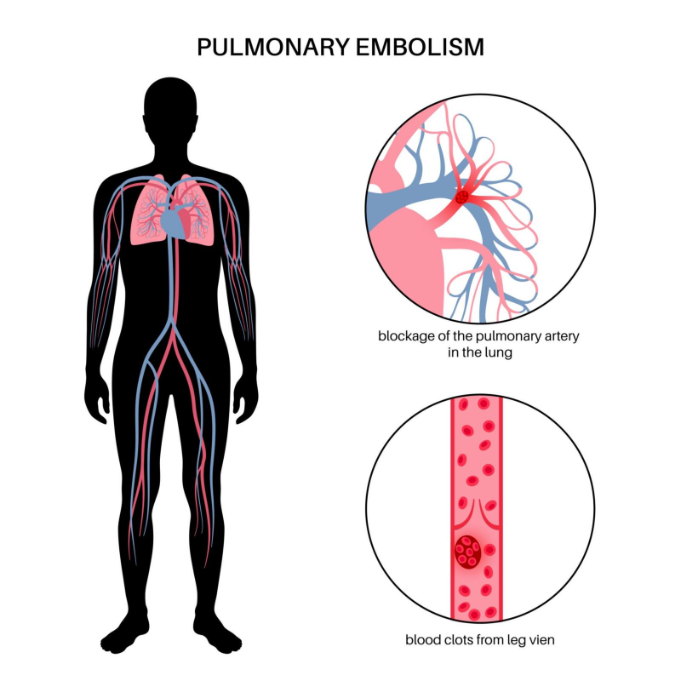
Pulmonary embolism is a serious medical condition that occurs when a blood clot blocks a blood vessel in the lung. While there is no universal screening programme for the general public, UK healthcare providers use specific clinical assessments and risk-stratification tools for individuals at a higher risk of developing clots. This article explains how the NHS and NICE guidelines manage high-risk patients to prevent the occurrence of venous thromboembolism and identify symptoms early.
What We’ll Discuss in This Article
- The clinical definition of high-risk groups for pulmonary embolism.
- The role of risk assessments in hospital and community settings.
- Why routine screening scans are generally not used for asymptomatic people.
- Preventative measures for individuals identified as high-risk.
- How healthcare professionals monitor patients with genetic or chronic risks.
- The importance of recognising early warning signs in high-risk scenarios.
Clinical risk assessment for pulmonary embolism
There are no routine screening tests used to check for pulmonary embolism in people without symptoms, instead, doctors focus on identifying and managing specific risk factors. The NHS identifies high-risk groups as those who have recently had surgery, are pregnant, use hormonal contraception, or have certain long-term health conditions such as cancer. Rather than performing scans on everyone in these groups, clinicians use formal risk assessment tools, such as the Wells score, if a patient begins to show any potential signs of a clot to determine if further diagnostic tests are needed.
Risk management in hospital settings
In the UK, every patient admitted to a hospital undergoes a formal venous thromboembolism risk assessment to prevent clots from forming during their stay. This process involves evaluating the patient’s age, weight, and mobility levels alongside their reason for admission to determine if preventative treatment is necessary. NICE guidelines mandate that healthcare providers assess all patients on admission to hospital to identify those at high risk and offer appropriate prophylaxis, such as compression stockings or blood-thinning medication. This preventative approach is the primary method used to “screen” for and stop pulmonary embolisms before they happen in clinical environments.
Genetic and chronic risk factor monitoring
For individuals with a family history of blood clots or known genetic conditions like thrombophilia, doctors may perform specific blood tests to identify an underlying predisposition to clotting. These tests are not screening for a pulmonary embolism itself, but rather for the biological factors that make a person more susceptible to developing one. If a high-risk genetic profile is identified, the focus remains on long-term prevention and lifestyle management rather than regular lung imaging, as scans are only effective when a clot is actually present and causing symptoms.
| Risk Category | Examples of High-Risk Factors | Primary Clinical Action |
| Surgical | Major orthopaedic or abdominal surgery. | Preventative blood thinners and leg pumps. |
| Medical | Cancer, heart failure, or severe infection. | Ongoing clinical monitoring and prophylaxis. |
| Situational | Long-haul travel or prolonged bed rest. | Advice on movement and hydration. |
| Genetic | Factor V Leiden or other thrombophilias. | Specialist haematology review and risk advice. |
Export to Sheets
Why asymptomatic screening is not recommended
Routine imaging, such as CT scans, is not recommended for people at high risk who do not have symptoms because of the risks associated with radiation and the potential for false results. NICE evidence standards prioritise clinical assessment over routine imaging for asymptomatic individuals because the diagnostic accuracy of scans is significantly lower when no symptoms are present. The medical focus remains on “safety netting”, which ensures that high-risk individuals are educated about the symptoms of pulmonary embolism so they can seek emergency help the moment they suspect a problem.
Conclusion
There are no general screening tests for pulmonary embolism, however, the UK uses rigorous risk assessment and preventative protocols for high-risk individuals. Hospitalised patients are systematically checked for their risk of clots to ensure preventative care is provided, while those with genetic risks receive specialist guidance. The most effective way to manage high risk is through prevention and rapid response to new symptoms. If you experience severe, sudden, or worsening symptoms, call 999 immediately.
Scans are generally only performed if you have
Scans are generally only performed if you have symptoms, as routine imaging for people without symptoms is not clinically effective and involves unnecessary radiation.
Is there a blood test to screen for clots?
The D-dimer blood test can help rule out a clot if you have symptoms, but it is not used as a screening tool for healthy people because many factors can cause a high result.
Does a family history of clots mean I need a screening test?
If you have a strong family history, your GP may refer you for blood tests to check for genetic clotting disorders, but this is not a scan for a pulmonary embolism.
Are pregnant women screened for pulmonary embolism?
Pregnant women are assessed for their risk of clots throughout their pregnancy, and those at high risk may be prescribed preventative medication.
What is the best way to prevent a clot if I am at high risk?
Staying active, maintaining a healthy weight, and following medical advice regarding preventative medication or compression stockings are the most effective methods.
Authority Snapshot (E-E-A-T Block)
This article was developed by the MyPatientAdvice Medical Content Team and reviewed by Dr. Stefan Petrov to provide clear, safe, and evidence-based information on pulmonary embolism risk management. The content follows the official clinical pathways established by the NHS and NICE for venous thromboembolism. Our purpose is to inform the public about UK medical standards and the importance of clinical risk assessment in preventing serious clotting events.
