
What causes a pulmonary embolism?
A pulmonary embolism is a serious medical condition that occurs when a blood vessel in the lung becomes blocked, usually by a blood clot that has travelled from another part of the body. Most often, these clots originate in the deep veins of the legs, a condition known as deep vein thrombosis. Understanding the underlying causes and the factors that contribute to clot formation is essential for recognizing symptoms early and seeking appropriate medical intervention.
What We’ll Discuss in This Article
- The primary cause of pulmonary embolism related to deep vein thrombosis.
- The role of prolonged immobility and travel in blood clot formation.
- How surgical procedures and physical injuries increase the risk of blockages.
- The impact of underlying health conditions and hormonal factors.
- Life factors such as smoking and weight that contribute to cardiovascular risk.
- Essential safety information and when to contact emergency services.
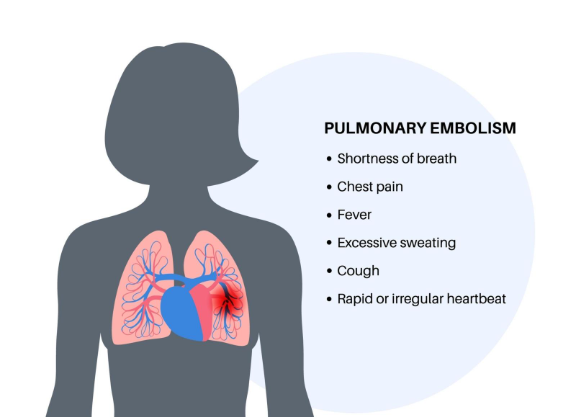
Deep vein thrombosis as the primary cause
A pulmonary embolism is most commonly caused by a blood clot in the leg (deep vein thrombosis) that breaks free and travels to the lungs. When a piece of the clot, known as an embolus, detaches from the vein wall, it moves through the bloodstream and into the right side of the heart. From there, it is pumped into the pulmonary arteries, where the vessels narrow, causing the clot to become lodged and obstruct blood flow to the lung tissue.
While most pulmonary embolisms stem from the legs, they can occasionally originate from clots in the arms or the pelvic veins. The blockage prevents the affected part of the lung from participating in oxygen exchange, which puts significant strain on the heart as it attempts to pump blood past the obstruction. In rare instances, blockages can also be caused by fat from the marrow of a broken bone, collagen, or even air bubbles, though blood clots remain the most frequent clinical cause.
Prolonged immobility and travel risks
Blood clots are more likely to form when blood flow slows down, which often happens during long periods of inactivity or restricted movement. When you are stationary for several hours, such as during a long flight, a car journey, or while on bed rest in a hospital, the calf muscles do not contract to help push blood back toward the heart. This stagnation, or stasis, allows blood to pool in the deep veins, significantly increasing the likelihood of a clot developing.
In the context of travel, journeys lasting more than four hours are generally considered to carry a higher risk, particularly for individuals who already have other predispositions. Similarly, patients who are recovering from an illness or injury that keeps them immobile for days at a time are at risk. Healthcare providers often recommend simple leg exercises, staying hydrated, and using compression stockings during these periods to maintain healthy circulation and prevent the onset of deep vein thrombosis.
Surgery and physical trauma
Undergoing a major operation or experiencing a significant physical injury is a well-documented trigger for the formation of blood clots. Surgery can cause inflammation and damage to the walls of blood vessels, which naturally triggers the body’s clotting mechanism as part of the healing process. Furthermore, the immobility required during the procedure and the subsequent recovery period further complicates the risk by slowing blood circulation.
Operations involving the hips, legs, or pelvic area carry the highest risk because they directly impact the large veins in the lower body. Trauma, such as a broken leg or a severe muscle injury, can also damage veins and lead to clot formation. To mitigate these risks, UK clinical guidelines often involve the use of preventative measures, such as blood-thinning medications or mechanical pumps used on the legs, for patients undergoing high-risk surgical procedures or those with significant physical trauma.
Underlying health conditions and hormonal factors
Certain medical conditions and hormonal changes can alter the way the blood clots, making a pulmonary embolism more likely even without an obvious physical trigger. Conditions such as heart disease, lung disease, and certain types of cancer can increase the levels of pro-clotting substances in the blood. Additionally, some inherited blood disorders affect the balance of proteins that control clotting, leading to a state called thrombophilia where the blood is more prone to forming blockages.
Hormonal factors also play a significant role, as increased oestrogen can make the blood clot more easily. This includes the use of the combined oral contraceptive pill, hormone replacement therapy, and the natural physiological changes that occur during pregnancy. During pregnancy, the body naturally increases its clotting ability to prevent excessive bleeding during childbirth, but this protective mechanism also raises the risk of a pulmonary embolism throughout the pregnancy and for several weeks after delivery.
Lifestyle factors and cardiovascular health
Individual lifestyle choices and physical characteristics can contribute to the overall risk of developing a blood clot that could lead to a pulmonary embolism. Being significantly overweight or having obesity puts extra pressure on the veins in the pelvis and legs, which can impede blood flow. Smoking is another major risk factor, as it damages the lining of the blood vessels and interferes with the natural balance of the blood, making it stickier and more likely to form clots.
Age is also a factor, as the risk generally increases as people get older, although a pulmonary embolism can occur at any age. Having a family history of blood clots suggests a possible genetic predisposition that should be discussed with a healthcare professional. Managing weight through a balanced diet, staying physically active, and quitting smoking are primary recommendations for reducing the long-term risk of cardiovascular complications, including both deep vein thrombosis and pulmonary embolism.
Conclusion
A pulmonary embolism is primarily caused by blood clots originating in the deep veins of the legs that travel to the lungs. Factors such as surgery, long periods of immobility, underlying health conditions, and lifestyle choices all contribute to the likelihood of a blockage occurring. Early recognition of symptoms and an understanding of personal risk factors are vital components of maintaining lung and heart health.
If you experience severe, sudden, or worsening symptoms, call 999 immediately.
Can a pulmonary embolism happen suddenly without warning?
Yes, a pulmonary embolism often occurs suddenly and can be the first sign that a blood clot has formed in the body. While some people may have pre-existing leg pain or swelling from a clot, others may experience sudden breathlessness or chest pain as their first symptom.
Are all blood clots in the leg dangerous?
While not every clot in the leg will move to the lungs, any clot in the deep veins is considered a medical priority because of the risk of a pulmonary embolism. Clots in the superficial veins near the surface of the skin are generally less dangerous but still require medical assessment.
Can stress cause a pulmonary embolism?
Stress is not a direct cause of a pulmonary embolism, but it can contribute to lifestyle factors like high blood pressure or smoking that increase overall cardiovascular risk. The primary causes remain related to blood flow, vessel damage, and the chemical composition of the blood.
How is a pulmonary embolism diagnosed in the UK?
In the UK, doctors typically use a combination of blood tests, such as the D-dimer test, and imaging scans like a CT pulmonary angiogram to confirm the presence of a blockage. These tests allow clinicians to see the blood flow in the lungs and identify exactly where a clot is located.
Is it safe to exercise if I am at risk of blood clots?
Regular, moderate exercise is generally encouraged because it improves circulation and helps prevent blood from pooling in the legs. However, if you suspect you already have a clot, you should seek medical advice before starting any new strenuous activity.
Do blood thinners dissolve the clot?
Anticoagulant medications, commonly called blood thinners, do not actually dissolve existing clots but prevent them from getting larger and stop new ones from forming. Your body’s natural systems gradually break down and dissolve the clot over several weeks or months.
Authority Snapshot
This article provides evidence-based information on the causes of pulmonary embolism, intended for public health education. It has been authored by Dr. Stefan Petrov, a UK-trained physician, and reviewed by our medical team to ensure alignment with NHS and NICE clinical guidelines. The content focuses on factual causes and risk factors to help readers understand this serious cardiovascular condition.
