
What is sarcoidosis?
Sarcoidosis is a rare condition that causes small patches of red and swollen tissue, known as granulomas, to develop in various organs of the body. While these granulomas can appear almost anywhere, they most frequently affect the lungs and the lymph nodes located within the chest. For many individuals in the UK, sarcoidosis is a self limiting condition that improves over time without specific medical intervention. However, in some cases, it can become a persistent or chronic condition that requires careful monitoring to prevent long term organ damage. This guide provides a factual overview of the condition, its symptoms, and the standard management approach used within the UK health system.
What We’ll Discuss in This Article
- The clinical definition of sarcoidosis and how granulomas form in the body.
- Commonly affected organs, focusing on the lungs, skin, and lymph nodes.
- Recognising typical symptoms and the difference between acute and chronic presentations.
- Current medical understanding regarding potential causes and environmental triggers.
- UK based diagnostic procedures and standard treatment pathways.
- The specific criteria for differentiating between stable and progressive disease.
- When to seek emergency medical attention for severe symptoms.
What Are Granulomas and How Do They Affect the Body?
Sarcoidosis is characterised by the formation of granulomas, which are tiny clusters of immune cells that aggregate when the immune system overreacts to an unknown trigger. These clusters of inflammatory cells can interfere with the normal structure and function of the organ they inhabit if they become numerous or large.
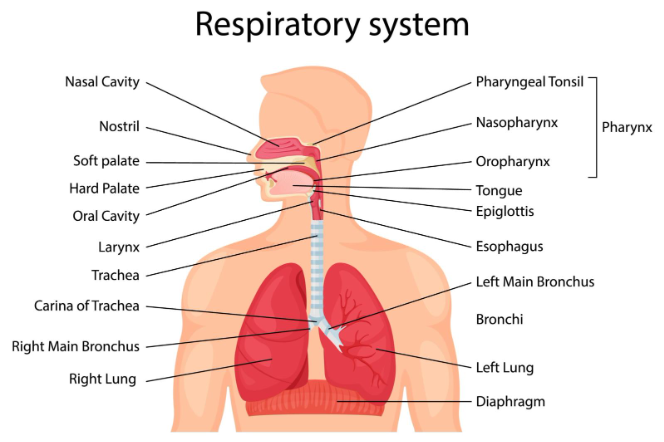
In the UK, sarcoidosis is considered a relatively uncommon condition. The British Lung Foundation notes that sarcoidosis is estimated to affect approximately 1 in every 10,000 people in the UK. Although it can affect people of any age, it is most often diagnosed in young adults between the ages of 20 and 40. It is not a form of cancer, and it is not contagious, meaning it cannot be passed from person to person. The primary driver of the condition is the body’s own immune response, which remains active longer than necessary, leading to the formation of these characteristic tissue patches.
Identifying Common Symptoms of Sarcoidosis
The symptoms of sarcoidosis vary significantly between individuals because they depend entirely on which organs are affected by the granulomas. Many people with the condition may experience no symptoms at all, with the condition only being discovered during a routine chest X-ray for an unrelated issue.
When symptoms do occur, they are often grouped into general “whole body” symptoms and specific organ symptoms. General symptoms often include:
- Persistent and extreme fatigue or tiredness.
- A general sense of feeling unwell or lethargic.
- High temperature or feverishness.
- Painful or swollen joints, particularly in the ankles.
- Unexplained weight loss.
Specific Organ Involvement
The lungs are involved in approximately 90% of sarcoidosis cases, often leading to a persistent dry cough or shortness of breath. NHS guidance states that pulmonary sarcoidosis is the most common form of the disease. Other common areas of involvement include the skin, where tender red bumps may appear on the shins, and the eyes, which may become red and painful. Lymph nodes in the neck, armpits, or chest may also become noticeably swollen.
Potential Causes and Environmental Triggers
The exact cause of sarcoidosis remains unknown, but medical consensus suggests it is a result of the immune system overreacting to one or more environmental triggers in genetically susceptible individuals.
Current research into the condition focuses on three main areas:
- Genetics: Some individuals may possess a genetic makeup that predisposes them to an exaggerated immune response.
- Environmental Triggers: Inhaling certain substances, such as dust, chemicals, or specific bacteria, may act as a catalyst for the immune system.
- Immune Malfunction: For reasons not yet fully understood, the immune system fails to “switch off” after responding to a trigger, leading to chronic inflammation.
It is important to remember that while these triggers may contribute to the onset of the condition, sarcoidosis itself is an internal immune process.
Differentiating Between Acute and Chronic Presentations
UK clinicians often distinguish between acute sarcoidosis, which appears suddenly and often resolves quickly, and chronic sarcoidosis, which develops more slowly and may persist for several years.
The table below outlines the primary differences between these two presentations based on clinical patterns:
| Feature | Acute Sarcoidosis | Chronic Sarcoidosis |
| Onset | Sudden and rapid appearance of symptoms. | Gradual development over many months. |
| Common Signs | Fever, joint pain, and red skin bumps. | Persistent cough and increasing breathlessness. |
| Typical Duration | Often resolves within 6 to 24 months. | May last for many years or be permanent. |
| Management | Often requires no treatment other than monitoring. | Often requires medication to control inflammation. |
UK Diagnosis and Treatment Pathways
Diagnosis in the UK typically involves a combination of imaging and laboratory tests to confirm the presence of granulomas and rule out other diseases. Initial tests often include a chest X-ray and blood tests, followed by more detailed CT scans or a biopsy of the affected tissue if necessary.
Treatment is not always required, especially if the person has no symptoms or if the condition is not affecting organ function. The National Institute for Health and Care Excellence (NICE) provides clinical pathways for managing interstitial lung diseases including sarcoidosis. When treatment is necessary, the primary goal is to dampen the immune response and reduce inflammation.
- Corticosteroids: Prednisolone tablets are the most common treatment used to reduce inflammation.
- Immunosuppressants: These may be used if steroids are not effective or if side effects become a concern.
- Regular Monitoring: Most patients will have regular check ups to monitor lung function and ensure the condition is not progressing.
Conclusion
Sarcoidosis is a complex condition where the immune system creates small clusters of inflamed tissue called granulomas, most commonly in the lungs. For many, the condition is temporary and resolves without medical intervention, but for others, it requires long term management to protect vital organs. Understanding your specific symptoms and attending regular monitoring appointments is essential for managing the condition effectively. If you experience severe, sudden, or worsening symptoms, such as severe chest pain or sudden difficulty breathing, call 999 immediately.
Can sarcoidosis affect the heart?
While rare, sarcoidosis can affect the heart muscle, and this requires specialised cardiac monitoring to manage potential rhythm issues.
Is sarcoidosis the same as lung cancer?
No, sarcoidosis is an inflammatory immune condition and is not a form of cancer, though it can sometimes look similar on initial X-rays.
Can stress make sarcoidosis symptoms worse?
High levels of emotional or physical stress can impact the immune system, which may potentially lead to a flare up of symptoms in some individuals.
Will I need to take steroids forever?
Many people only take corticosteroids for a specific period until the inflammation subsides, although some with chronic sarcoidosis may need long term low doses.
Can children get sarcoidosis?
While sarcoidosis is primarily a disease of young to middle aged adults, it can occasionally occur in children, though this is very rare.
Is there a specific test for sarcoidosis?
There is no single “sarcoidosis test”; diagnosis is made by combining clinical signs, imaging, and often a tissue biopsy.
Authority Snapshot
This evidence based guide adheres strictly to NHS and NICE clinical guidelines, providing clear and factual information on the symptoms and management of sarcoidosis. The content has been authored by Dr. Rebecca Fernandez, a UK trained physician with extensive experience in internal medicine, cardiology, and emergency medicine. This article provides a public health overview and does not offer individual diagnostic advice, ensuring readers receive accurate and trustworthy information aligned with UK medical standards.
