
What are the health risks of untreated sleep apnoea?
Sleep apnoea is a condition where breathing stops and starts during sleep, and failing to treat it can lead to significant long term physical and mental health complications. When the body is repeatedly deprived of oxygen and forced to wake up to resume breathing, it places a continuous strain on the cardiovascular system and other vital organs. Understanding these risks is essential for recognizing the importance of early diagnosis and the consistent use of prescribed treatments to protect your overall wellbeing.
INTRODUCTION Leaving sleep apnoea untreated is associated with several serious health conditions that can impact your quality of life and long term safety. The repeated drops in blood oxygen levels and the fragmented sleep patterns caused by the condition affect everything from your heart health to your cognitive function. By addressing the condition early through NHS clinical pathways, you can significantly reduce these risks and improve your daily functioning and life expectancy.
What We’ll Discuss in This Article
- The impact of untreated sleep apnoea on cardiovascular health and blood pressure.
- Increased risks of serious events such as heart attacks and strokes.
- The relationship between breathing interruptions and type 2 diabetes.
- How chronic sleep fragmentation affects mental health and mood.
- Safety risks associated with daytime sleepiness, including driving accidents.
- The strain placed on the liver and metabolic functions.
Cardiovascular Risks and High Blood Pressure
Untreated sleep apnoea is a major risk factor for developing high blood pressure, also known as hypertension, which puts a constant strain on the heart. Each time breathing stops, the oxygen level in the blood falls, triggering the brain to release stress hormones like adrenaline. These hormones cause the blood vessels to tighten and the heart rate to increase, leading to spikes in blood pressure throughout the night.
Over time, these repeated nightly spikes can lead to permanent hypertension, even during the day when you are awake. This chronic strain weakens the heart muscle and damages the artery walls, making it much harder for the heart to pump blood effectively. Managing sleep apnoea is often a critical part of a broader strategy to control blood pressure and reduce the long term risk of heart failure.
Risk of Stroke and Heart Attack
The physiological stress caused by repeated oxygen deprivation significantly increases the likelihood of experiencing a stroke or a heart attack. When the blood oxygen level drops suddenly, it can lead to irregular heart rhythms, such as atrial fibrillation, which can cause blood clots to form. If a clot travels to the brain, it can block blood flow and cause a stroke, while stress on the coronary arteries can trigger a heart attack.
Clinical evidence from UK health bodies confirms that treating sleep apnoea reduces the risk of cardiovascular events by stabilizing oxygen levels and heart rhythm. Without treatment, the body remains in a state of “fight or flight” every night, which promotes inflammation and the buildup of fatty deposits in the arteries. This persistent internal stress makes the cardiovascular system much more vulnerable to sudden and life threatening emergencies.
Metabolic Health and Type 2 Diabetes
There is a strong link between untreated sleep apnoea and the development of metabolic issues, specifically type 2 diabetes. The stress hormones released during breathing pauses can make the body’s cells more resistant to insulin, the hormone that regulates blood sugar levels. When the body cannot use insulin effectively, blood sugar levels rise, significantly increasing the risk of metabolic syndrome and diabetes.
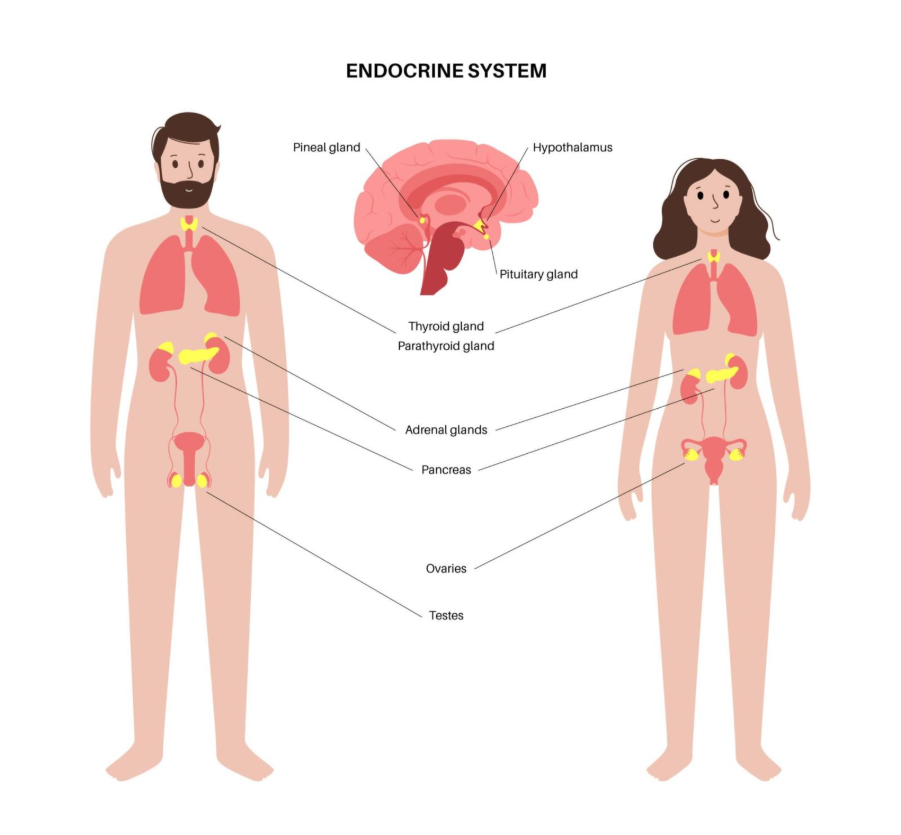
Furthermore, the fatigue caused by poor sleep often leads to weight gain, which is itself a primary driver of both diabetes and worsened sleep apnoea. This creates a cycle where the two conditions exacerbate one another, making it harder to manage blood sugar levels through diet and medication alone. Addressing the breathing obstruction is often necessary to break this cycle and improve the body’s overall metabolic health.
Comparison of Risks by Severity
The likelihood of developing secondary health problems often correlates with the number of breathing interruptions experienced per hour. The following table outlines how health risks typically scale with the severity of untreated sleep apnoea.
| Severity Level | Breathing Pauses per Hour | Primary Health Risks |
| Mild | 5 to 14 | Increased fatigue and mild blood pressure changes. |
| Moderate | 15 to 30 | Higher risk of heart disease and daytime accidents. |
| Severe | More than 30 | Significant risk of stroke, heart attack, and diabetes. |
Impact on Mental Health and Cognitive Function
Untreated sleep apnoea can have a profound effect on your mental wellbeing and your brain’s ability to function. The lack of deep, restorative sleep often leads to persistent “brain fog,” making it difficult to concentrate, remember information, or make decisions. Many people with the condition also experience mood swings, irritability, and an increased risk of developing clinical depression or anxiety.
Chronic sleep deprivation affects the parts of the brain responsible for emotional regulation and cognitive processing. This can impact your performance at work and your personal relationships, adding a layer of psychological stress to the physical burden of the condition. Treating the underlying breathing issue often restores mental clarity and improves mood significantly within a few weeks of starting therapy.
Safety Risks and Daytime Accidents
One of the most immediate and dangerous risks of untreated sleep apnoea is the impact of excessive daytime sleepiness on safety. People with untreated sleep apnoea are significantly more likely to be involved in road traffic accidents or workplace mishaps due to impaired alertness. The fatigue can cause “microsleeps,” where a person loses consciousness for a few seconds without realizing it, which is extremely dangerous while driving or operating machinery.
In the UK, there are specific legal requirements regarding the DVLA and sleep apnoea. If you have a diagnosis that causes daytime sleepiness, you must inform the DVLA, and you may be required to stop driving until your condition is brought under control with treatment. This highlights the serious public safety implications of the condition and the necessity of following the recommended clinical management plans.
Conclusion
The health risks of untreated sleep apnoea are extensive, ranging from high blood pressure and heart disease to type 2 diabetes and mental health issues. The condition also poses an immediate safety risk through excessive daytime sleepiness and a higher chance of accidents. Seeking a professional diagnosis and adhering to treatments like CPAP is the most effective way to mitigate these risks and protect your long term health and safety.
If you experience severe, sudden, or worsening symptoms, call 999 immediately.
Can sleep apnoea cause a stroke?
Yes, the repeated drops in oxygen and heart rhythm irregularities caused by untreated sleep apnoea significantly increase the risk of a stroke.
Is high blood pressure always linked to sleep apnoea?
While not always the cause, sleep apnoea is a very common contributor to hypertension that is difficult to control with medication alone.
How does sleep apnoea affect my weight?
The fatigue from poor sleep can lower your metabolism and make you more likely to overeat, leading to weight gain that worsens the apnoea.
Can children have these same health risks?
While heart attacks are rare in children, untreated sleep apnoea can affect a child’s growth, heart development, and behaviour at school.
Will my risk of diabetes go down if I treat my apnoea?
Treating the condition can improve your body’s insulin sensitivity, making it easier to manage blood sugar levels and reducing diabetes risk.
Why is driving dangerous with untreated sleep apnoea?
The extreme tiredness can cause you to lose concentration or fall asleep at the wheel, even during short journeys.
Does sleep apnoea damage the liver?
Some studies show a link between sleep apnoea and non-alcoholic fatty liver disease, likely due to the metabolic stress caused by oxygen deprivation.
Authority Snapshot (E-E-A-T Block)
This article provides evidence-based information on the long-term health complications of sleep apnoea to support public health awareness and safety. The content is authored and reviewed by Dr. Stefan Petrov, a UK-trained physician with experience in general medicine, surgery, and emergency care. All information presented is strictly aligned with the clinical guidance and safety standards established by the NHS and NICE.
