




A brain tumour can occasionally be difficult to identify initially because many of its symptoms, such as headaches or memory changes, are common to much less serious health conditions. In the United Kingdom, healthcare professionals follow structured diagnostic pathways to differentiate between primary neurological growths and other medical issues that may mimic their presentation. While a definitive diagnosis is usually reached through advanced imaging and tissue analysis, the non-specific nature of early symptoms requires careful clinical evaluation. By adhering to evidence-based protocols established by the NHS and NICE, medical teams aim to minimise diagnostic uncertainty and ensure that patients receive appropriate specialist investigations. Understanding the complexities of neurological assessment is essential for patients navigating the healthcare system in the UK. This article explores the clinical challenges of identifying brain tumours and the integrated safety nets used within the NHS to achieve diagnostic precision.
What We’ll Discuss in This Article
- The challenge of non-specific symptoms and common medical mimics.
- Conditions that can appear similar to brain tumours on initial assessment.
- The role of “red flag” symptoms in prioritising neurological investigations.
- How advanced neuroimaging helps distinguish tumours from other lesions.
- The importance of the multidisciplinary team in reducing diagnostic errors.
- UK clinical standards for follow-up and the 28-day faster diagnosis target.
Challenges of Non-Specific Early Symptoms
The primary reason a brain tumour may not be identified immediately is that its early warning signs are often non-specific and occur frequently in the general population due to stress, fatigue, or common illnesses. Symptoms such as a dull headache, occasional dizziness, or mild mood changes are rarely caused by a structural brain issue, leading clinicians to investigate more common causes first. The NHS states that a brain tumour diagnosis starts with a neurological examination to check things like your vision, hearing, and motor skills.
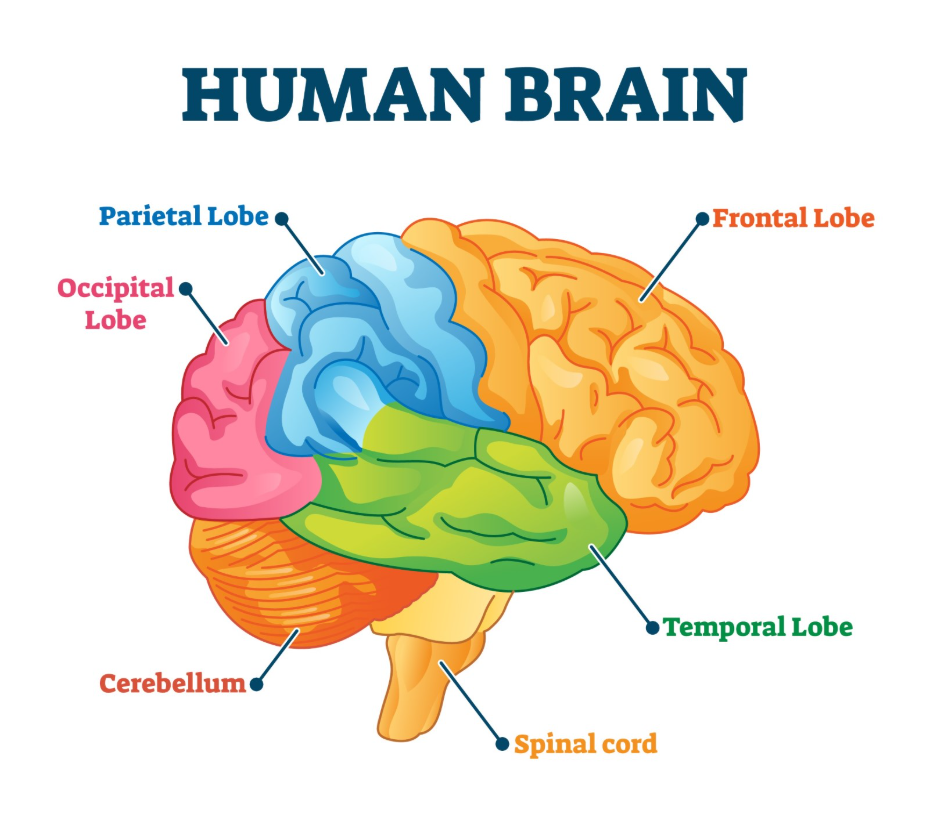
Because the brain is a highly complex organ, the symptoms depend entirely on the location of the mass and the speed at which it is growing. A slow-growing, low-grade tumour may allow the brain to adapt for many months or even years, making the signs very subtle. In the United Kingdom, GPs use a process of clinical reasoning to monitor symptoms over time. If symptoms do not resolve with standard treatments or if they follow a progressive worsening pattern, this triggers a transition to more specialised investigations. This measured approach ensures that healthcare resources are focused on those with the highest clinical need while maintaining a high level of vigilance for rarer conditions.
Medical Conditions with Overlapping Symptoms
Several common medical conditions can produce symptoms that overlap significantly with those of a brain tumour, potentially leading to initial diagnostic uncertainty. Migraines, tension-type headaches, and even severe sinusitis are frequent causes of head pain that can be mistaken for the pressure-related headaches associated with an intracranial mass. NICE clinical guidelines for brain tumours indicate that healthcare professionals should consider an urgent referral if a patient presents with a new-onset seizure or a progressive neurological deficit.
| Condition | Overlapping Symptom | Key Distinguishing Feature |
| Migraine | Severe headache; nausea. | Often episodic; associated with light sensitivity. |
| Stroke | Sudden weakness; speech issues. | Symptoms appear instantly rather than gradually. |
| Multiple Sclerosis | Vision changes; coordination issues. | Symptoms often follow a pattern of relapse and remission. |
| Brain Abscess | Mass effect; headaches; seizures. | Often associated with fever and signs of infection. |
| Dementia | Memory loss; personality changes. | Typically follows a long-term, specific cognitive decline. |
In addition to these, inflammatory conditions like neurosarcoidosis or infections such as a brain abscess can even look similar to a tumour on an initial scan. In the United Kingdom, specialists use a combination of detailed patient history and specific “red flag” indicators to help separate these conditions. For example, a headache caused by a tumour is often worse in the morning and increases with coughing or straining, whereas a tension headache usually remains consistent throughout the day. By identifying these subtle clinical differences, the medical team can more accurately direct the patient toward the correct diagnostic pathway.
The Role of Advanced Neuroimaging in Accuracy
Advanced neuroimaging, particularly Magnetic Resonance Imaging, is the most effective tool used in the United Kingdom to distinguish between a brain tumour and other neurological lesions. While a standard CT scan can detect large masses or bleeding, an MRI provides the high-resolution detail needed to see the internal architecture of the brain and its blood vessels. The GOV.UK health pages provide clinical profiles indicating that contrast-enhanced imaging is a standard requirement for assessing the specific characteristics of a suspected brain tumour.
Radiologists in the UK look for specific signs, such as how the tissue absorbs contrast dye or the presence of surrounding swelling, to help determine the nature of a lesion. If an imaging result is inconclusive, additional sequences like Magnetic Resonance Spectroscopy (MRS) may be used to measure the chemical balance of the tissue, helping to differentiate a tumour from an area of inflammation or old scar tissue. Despite these advanced technologies, imaging alone cannot always provide a definitive answer. If there is any doubt about the nature of a mass found on a scan, the UK clinical pathway typically involves a biopsy to ensure that the cellular and molecular profile of the tissue is correctly identified.
Red Flag Symptoms and Clinical Priority
In the United Kingdom, the speed and accuracy of a diagnosis are heavily influenced by the presence of “red flag” symptoms which indicate a higher probability of a structural brain issue. These indicators help healthcare professionals move past common mimics and fast-track the patient into the specialist neuro-oncology pathway.
Key red flag indicators used by UK clinicians include:
- New-onset Seizures: Particularly in adults with no previous history of epilepsy.
- Progressive Weakness: A gradual loss of strength or coordination on one side of the body.
- Persistent Morning Headaches: Especially if accompanied by nausea or vomiting.
- Sudden Vision Changes: Such as a loss of peripheral vision or double vision.
- Significant Personality Shift: Rapid changes in behaviour or cognitive ability.
When these symptoms are present, the GP will typically initiate an urgent referral under the 28-day faster diagnosis standard. This target ensures that patients with high-risk signs are not left in a cycle of repeated consultations for minor ailments. By focusing on these specific clinical markers, the NHS provides a robust framework that prioritises the most urgent cases, reducing the likelihood that a serious condition is overlooked.
Multidisciplinary Review and Diagnostic Safety
To ensure the highest level of diagnostic accuracy, all suspected brain tumours in the United Kingdom are reviewed by a Multidisciplinary Team (MDT). This group of experts brings together different perspectives from neurosurgery, oncology, radiology, and pathology to review every aspect of a patient’s diagnostic data. This collaborative review is a critical safety net designed to prevent misdiagnosis and to ensure that all potential management options are considered.
The MDT review process involves:
- Radiological Confirmation: Specialist neuroradiologists re-evaluating all scans.
- Pathological Analysis: Confirming the tumour type and grade from tissue samples.
- Clinical Synthesis: Correlating the imaging and laboratory results with the patient’s symptoms.
- Consensus Decision: The team reaching a unified conclusion on the integrated diagnosis.
This system ensures that the diagnosis is not based on the opinion of a single clinician but on a robust consensus of specialists. In the UK, if the MDT finds that the evidence is contradictory, they may request further tests, such as a second biopsy or specialised metabolic scans, before confirming the diagnosis. This integrated approach is essential for managing the complexities of brain health and provides patients with a consistent and high standard of clinical care across the NHS.
UK Standards for Follow-Up and Monitoring
The United Kingdom has established integrated care pathways to ensure that even if a diagnosis is not reached immediately, the patient’s symptoms continue to be monitored. This “safety netting” is a vital part of UK clinical practice, ensuring that if a condition evolves or changes, it is identified at the earliest possible stage.
The UK monitoring pathway includes:
- Scheduled Re-evaluation: Booking follow-up appointments to check if symptoms are resolving.
- Clear Patient Instructions: Providing information on which new signs require an urgent return.
- Fast-track Re-referral: A clear route back to the specialist if symptoms worsen.
- Communication with Primary Care: Ensuring the GP is informed of the specialist’s findings and the plan for ongoing surveillance.
By following these national standards, the NHS maintains a high level of vigilance even for patients whose initial scans appear normal. This longitudinal approach to care recognises that some neurological conditions, including certain low-grade tumours, can be difficult to detect in their very earliest stages. Consistent clinical monitoring ensures that the patient remains within the healthcare system’s protective framework, allowing for a prompt response if the clinical picture changes.
Conclusion
While the non-specific nature of early symptoms can make a brain tumour difficult to identify initially, the UK healthcare system utilise a structured pathway of specialist reviews and advanced imaging to ensure diagnostic accuracy. Conditions like migraines or infections can mimic a tumour’s presentation, but the use of “red flag” criteria and multidisciplinary teams helps clinicians reach a definitive conclusion. In the UK, the NHS follows strict targets to ensure that suspected cases are investigated promptly and monitored consistently. Understanding the clinical processes involved can help patients feel more secure as they move through the diagnostic journey. If you experience severe, sudden, or worsening symptoms, call 999 immediately.
Can a brain tumour be mistaken for a stroke?
A stroke typically causes symptoms that appear instantly, whereas a tumour usually causes a gradual worsening of signs over weeks or months.
Why did my first scan come back clear if I still have symptoms?
Some very small or slow-growing tumours can be difficult to see on a standard scan, which is why UK doctors will monitor you and may order a follow-up scan.
Is it common for a migraine to be misdiagnosed as a tumour?
It is much more common for a tumour to be initially investigated as a migraine because migraines are significantly more prevalent in the population.
Can stress cause symptoms that look like a brain tumour?
Yes; stress can cause tension headaches, fatigue, and memory lapses, but these symptoms usually resolve once the stress is managed.
How does a biopsy help prevent misdiagnosis?
A biopsy provides the physical tissue for a pathologist to examine, which is the only way to confirm exactly what the cells are and their grade.
What should I do if my symptoms are getting worse but my tests were normal?
In the UK, you should return to your GP for a review, as progressive symptoms always warrant further clinical investigation regardless of previous results.
Can an eye test detect a brain tumour?
An optician can sometimes see swelling behind the eye (papilloedema) which indicates increased pressure in the brain and requires an urgent medical referral.
Authority Snapshot (E-E-A-T)
This article provides medically factual health education regarding the diagnostic challenges of brain tumours, strictly aligned with NHS and NICE clinical guidelines. The content is developed by a professional medical writing team and reviewed by Dr. Stefan Petrov, a UK-trained physician with experience in surgery, emergency care, and clinical education. All information follows current UK public health protocols to ensure clinical accuracy and patient safety.



