




A brain tumour can cause memory problems by physically pressing on the specific areas of the brain responsible for storing and retrieving information or by disrupting the electrical and chemical signals between nerve cells. While memory lapses are common due to stress, fatigue, or the natural ageing process, persistent or worsening cognitive changes can sometimes indicate an underlying structural issue within the skull. In the United Kingdom, healthcare professionals categorise memory issues related to tumours as focal neurological symptoms, often determined by the tumour’s location, size, and growth rate. Understanding the relationship between brain growths and memory is essential for patients and their families to recognise when professional medical advice is necessary. By following evidence-based protocols established by the NHS and NICE, clinical teams aim to manage these symptoms through targeted treatment while supporting the patient’s overall quality of life.
What We’ll Discuss in This Article
- The biological mechanisms of tumour-induced memory impairment.
- The role of the temporal and frontal lobes in memory function.
- Distinguishing between short-term and long-term memory loss.
- How increased intracranial pressure affects cognitive clarity.
- Management strategies for improving memory and cognitive function.
- UK clinical pathways for the assessment of neurological cognitive changes.
Biological Mechanisms of Memory Impairment
Memory problems occur in patients with brain tumours when the abnormal mass invades or compresses the neural circuits that facilitate the encoding and retrieval of information. These circuits rely on a precise balance of neurotransmitters and electrical impulses; when a tumour is present, it can cause “oedema,” which is a build-up of fluid that puts pressure on healthy neurons. The NHS states that a brain tumour can cause symptoms by increasing the pressure inside the skull or by damaging the part of the brain where the tumour is growing.
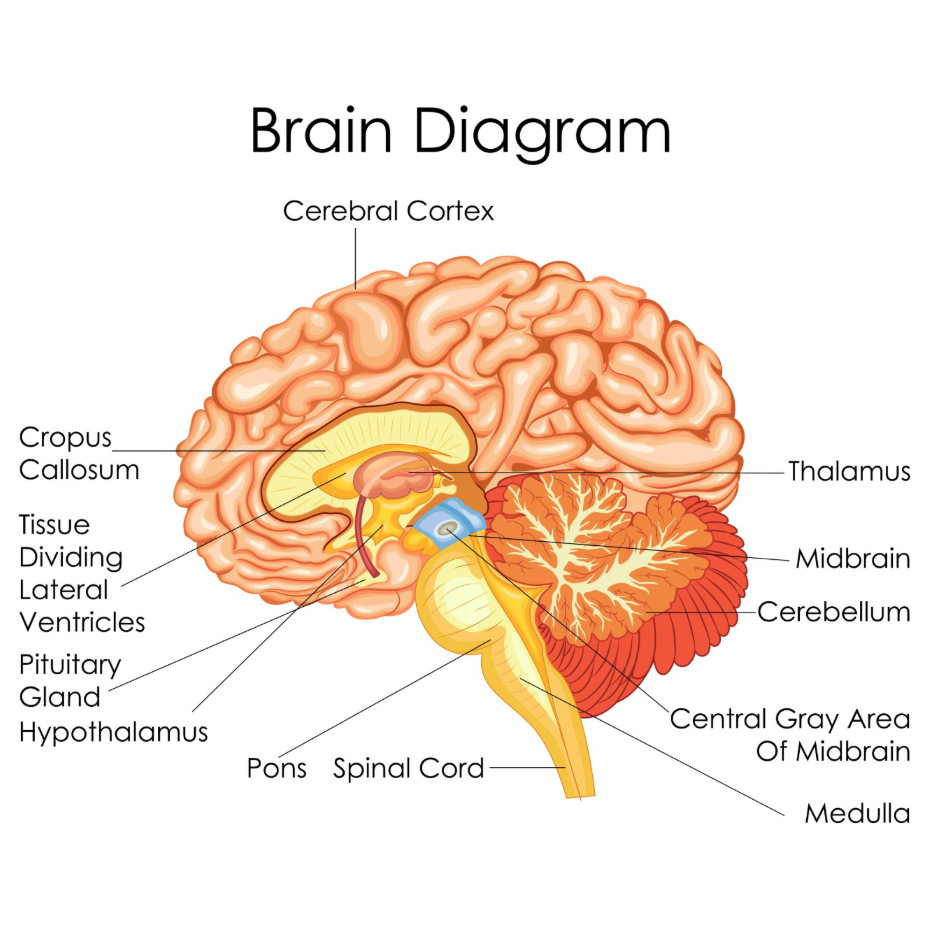
This physical disruption can slow down the speed at which the brain processes information, making it difficult for an individual to form new memories or recall past events. Additionally, the metabolic demands of a fast-growing tumour can deprive surrounding healthy tissue of the oxygen and glucose required for optimal cognitive performance. In the United Kingdom, clinicians use this understanding to differentiate between memory loss caused by structural damage and that caused by temporary factors like medication side effects or emotional stress. The goal of clinical management is to reduce this pressure and stabilise the neural environment to preserve as much cognitive function as possible.
The Role of the Temporal and Frontal Lobes
The specific nature of memory problems is highly dependent on which part of the brain the tumour is located in, with the temporal and frontal lobes being the most critical regions for cognitive processing. The temporal lobes, located on either side of the brain, contain the hippocampus, which is essential for forming new memories and processing sensory input.
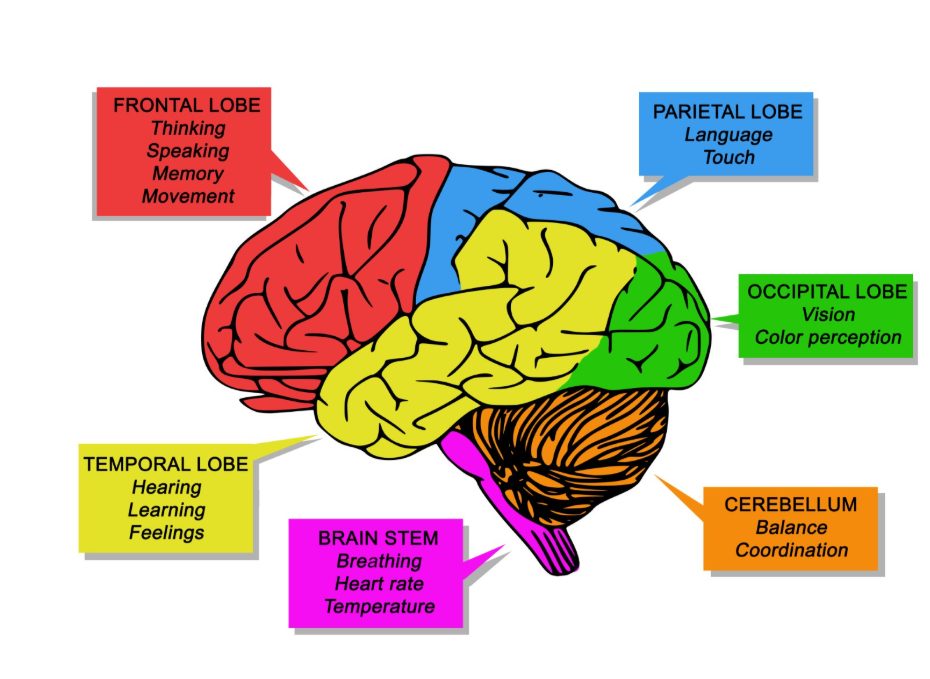
If a tumour affects the temporal lobe, a person may struggle to remember recent conversations or events while their long-term memories remain intact. The frontal lobe is responsible for “working memory,” which allows us to hold and manipulate information in our heads over short periods, such as following a multi-step set of instructions.
| Brain Region | Memory Type | Common Symptom of Disruption |
| Temporal Lobe | Short-term / Recognition. | Forgetting names; losing track of recent events. |
| Frontal Lobe | Working memory / Planning. | Difficulty multi-tasking; losing focus easily. |
| Hippocampus | New memory formation. | Repeating questions; inability to learn new tasks. |
NICE clinical guidelines for brain tumours indicate that cognitive symptoms like memory loss are key indicators used to pinpoint the area of the brain requiring urgent imaging. Understanding these anatomical links allows UK specialists to provide a more accurate assessment of a patient’s functional challenges.
Short-term versus Long-term Memory Changes
In the clinical setting of the United Kingdom, memory problems associated with brain tumours are often more pronounced in short-term or “prospective” memory rather than long-term “retrograde” memory. Prospective memory involves remembering to perform a planned action in the future, such as attending an appointment or taking medication at a specific time.
Patients may find themselves becoming increasingly forgetful of daily tasks or repeating the same stories within a short period. Long-term memories, such as those from childhood or significant life events, are typically stored more robustly across various parts of the brain and are often preserved unless the tumour is very large or widespread. This pattern of “recent-onset forgetfulness” is a common reason why family members may first notice a change in the patient’s behaviour. UK medical teams assess these patterns during a neurological consultation to determine the severity of the cognitive impact and to rule out other conditions like early-onset dementia or vitamin deficiencies.
Impact of Increased Intracranial Pressure
Memory problems and general “brain fog” can also be caused by an overall increase in intracranial pressure, which occurs as a tumour grows within the fixed space of the skull. This pressure can interfere with the normal flow of blood and cerebrospinal fluid, leading to a global reduction in cognitive agility and concentration.
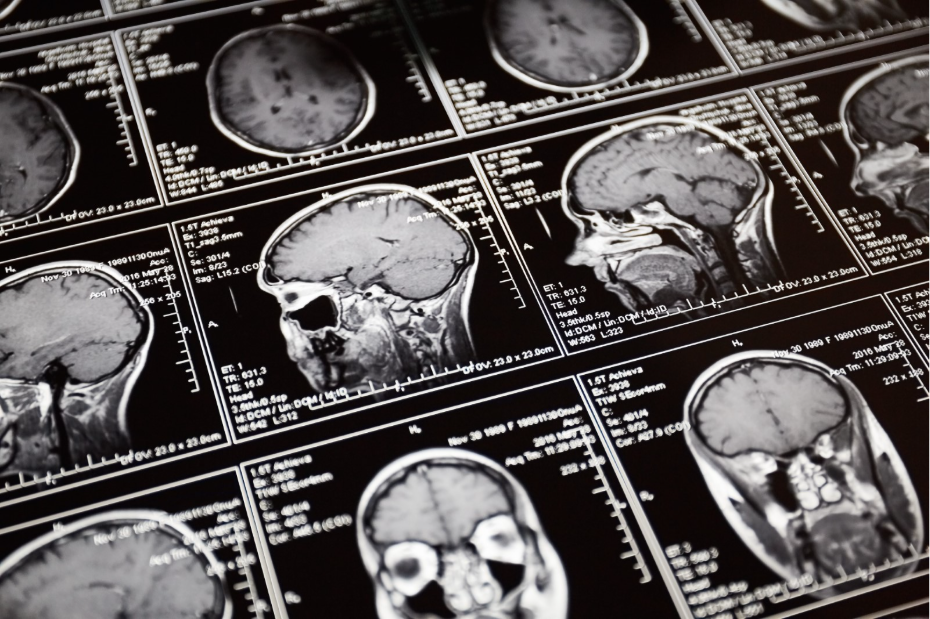
Patients often describe a feeling of being “spaced out” or struggling to find the right words during a conversation. This is frequently accompanied by other signs of pressure, such as persistent headaches that are worse in the morning or feelings of nausea. The GOV.UK health pages provide clinical profiles that describe how increased pressure can lead to a range of cognitive and behavioural changes that may be the first presenting signs of a brain tumour. In the UK, if these cognitive symptoms are accompanied by physical red flags, an urgent MRI or CT scan is prioritised. Reducing this pressure through medication or surgery often leads to a noticeable improvement in mental clarity and memory function for many patients.
Management and Cognitive Support in the UK
Management of memory problems associated with a brain tumour in the United Kingdom involves a multidisciplinary approach that addresses both the underlying growth and the functional needs of the patient. Once the tumour is treated through surgery, radiotherapy, or other methods, the focus often shifts to cognitive rehabilitation.
This can include working with occupational therapists or speech and language therapists who specialise in neurological recovery. These professionals help patients develop “compensatory strategies,” such as using digital calendars, memory aids, and structured daily routines to manage their day-to-day lives. In the UK, the NHS also provides access to clinical psychologists who can support patients and their families in coping with the emotional impact of cognitive changes. Because the brain has a degree of plasticity, some patients experience significant improvements in their memory as they recover from treatment and the inflammation in the brain subsides. This comprehensive support system ensures that the patient’s functional independence is prioritised alongside their medical treatment.
UK Clinical Pathways for Cognitive Assessment
The United Kingdom uses integrated care pathways to ensure that patients reporting persistent memory problems are assessed thoroughly to identify any structural neurological causes. This typically begins with a GP review, where a screening tool for cognitive function may be used alongside a physical examination.
The UK diagnostic pathway includes:
- Initial Assessment: GP review of memory history and any associated “red flag” symptoms.
- Urgent Referral: Fast-tracked access to brain imaging if structural issues are suspected.
- Specialist Evaluation: Review by a neurologist or neuro-oncologist to map cognitive deficits.
- MDT Discussion: A Multidisciplinary Team of experts determining the best management plan for both the tumour and the symptoms.
This structured system ensures that serious conditions are identified early while providing a clear route for those whose memory issues are related to other, more common health factors. By following these national protocols, the NHS provides a safety net that catches complex neurological issues while offering reassurance and support to the patient throughout their journey.
Conclusion
A brain tumour can cause memory problems by disrupting the specific lobes responsible for processing information or by increasing the overall pressure within the skull. These symptoms often manifest as difficulties with short-term recall or daily planning and are managed in the UK through a combination of medical treatment and cognitive rehabilitation. While many factors can affect memory, persistent or unusual changes require a professional clinical evaluation. Consistent monitoring and following the recommended diagnostic pathway are essential for accurate assessment and support. If you experience severe, sudden, or worsening symptoms, call 999 immediately.
Does a poor memory always mean I have a brain tumour?
No; memory problems are far more commonly caused by stress, lack of sleep, depression, or other health conditions like thyroid issues.
Can a small, benign tumour still cause memory loss?
Yes; if the tumour is located in a sensitive area like the hippocampus, even a small growth can significantly impact memory formation.
Will my memory come back if the tumour is removed?
Many patients see an improvement in memory once the pressure is relieved, although some may need long-term rehabilitation to recover certain functions.
How can I tell if my forgetfulness is serious?
In the UK, you should see a GP if your memory loss is persistent, getting worse, or interfering with your ability to perform daily tasks.
Do tumours in children cause the same memory issues as in adults?
Children may show different signs, such as struggling with schoolwork, changes in development, or difficulty learning new skills.
Can medication cause memory problems in tumour patients?
Yes; some medications used to manage seizures or swelling can have cognitive side effects, which your UK clinical team will monitor.
Is memory loss a “red flag” symptom in the UK?
Memory loss on its own is often managed in primary care, but it becomes a “red flag” if it is sudden, severe, or joined by other neurological signs.
Authority Snapshot (E-E-A-T)
This article provides medically factual health education regarding brain tumours and memory problems, strictly aligned with NHS and NICE clinical guidelines. The content is developed by a professional medical writing team and reviewed by Dr. Stefan Petrov, a UK-trained physician with experience in emergency care, surgery, and clinical education. All information follows current UK public health protocols to ensure clinical accuracy and patient safety.



