




While the vast majority of basal cell carcinomas are found on parts of the body frequently exposed to the sun, such as the face and neck, it is entirely possible for these lesions to develop on areas that rarely see daylight. These occurrences are less common and often have different underlying causes compared to the typical sun-induced tumours found on the forehead or nose. Understanding that no part of the skin is completely immune to this type of cancer is a vital component of a comprehensive approach to health and early detection for patients in the United Kingdom.
What We’ll Discuss in This Article
- The development of basal cell carcinoma on covered skin areas
- The role of genetics and inherited predispositions in lesion formation
- Impact of prior medical treatments and radiation on skin health
- How chemical exposure and previous injuries can trigger tumours
- Recognising rare syndromes that cause multiple skin cancers
- The clinical challenges of identifying lesions in hidden locations
The occurrence of tumours on sun-protected skin
Basal cell carcinoma can develop on areas of the body that remain covered by clothing, such as the trunk, abdomen, and even the buttocks. In these instances, the lesion is most frequently identified as the superficial subtype, which appears as a flat, scaly red patch rather than a pearly bump. The National Health Service explains that although sun exposure is the main cause of non-melanoma skin cancer, these tumours can occasionally develop on skin that is not usually exposed to the sun. This reality highlights the need for a total body skin examination rather than simply focusing on the head and neck.
When a lesion appears on protected skin, it may grow very slowly and remain asymptomatic for several years. Because the patient may not perceive themselves as being at risk in these areas, the diagnosis is often delayed until the patch becomes quite large or begins to bleed. These tumours still possess the same locally invasive characteristics as their sun-exposed counterparts and require the same surgical or topical interventions to ensure they are fully cleared from the skin layers.
The role of genetics and internal risk factors
A significant reason why basal cell carcinoma appears in unexposed areas is the presence of underlying genetic susceptibility. Some individuals possess inherited traits that make their skin cells more prone to the mutations that lead to cancer, regardless of how much ultraviolet radiation they have absorbed. This means that a person with a strong family history of the disease might develop lesions on their back or legs even if they have been extremely diligent with sun protection throughout their life.
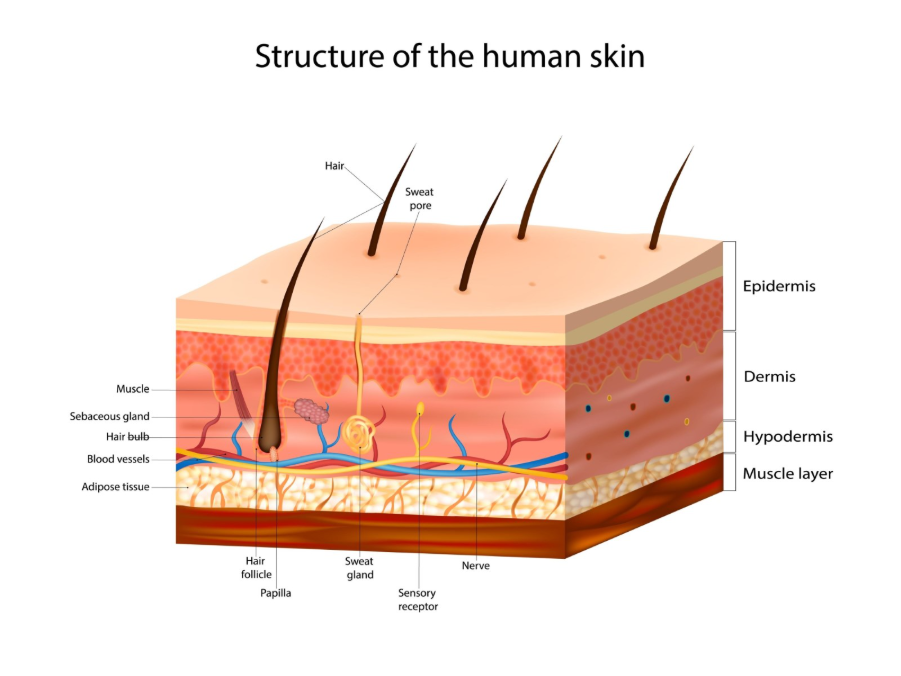
In these cases, the skin functions as a single organ that is biologically vulnerable. NICE clinical guidelines suggest that healthcare professionals should consider an individuals total risk profile, including their family history and skin type, when assessing any persistent or unusual lesions on any part of the body. While sun damage is a powerful external trigger, it is the interaction between these environmental factors and a person’s internal genetic makeup that ultimately determines where and when a tumour might form.
Impact of previous medical treatments and radiation
Individuals who have received certain medical treatments in the past may find that they are at a higher risk of developing basal cell carcinoma in specific, often covered, areas. For example, patients who have undergone radiotherapy for internal cancers may develop skin tumours within the field of treatment many years later. This is because the high-energy rays used in the therapy can cause latent damage to the DNA of the skin cells, which eventually manifests as a malignancy.
This risk is also seen in individuals who were treated for skin conditions like psoriasis using ultraviolet light therapy or those who have had long-term treatment with immunosuppressant medications following an organ transplant. In these clinical scenarios, the tumours are not caused by natural sunlight but by the cumulative effect of the medical interventions on the skin’s cellular integrity. Patients with such histories are typically monitored closely by dermatology departments to ensure any new lesions in these treatment zones are identified promptly.
Chemical exposure and previous skin injuries
Chronic exposure to certain industrial chemicals is another recognised factor that can lead to the development of basal cell carcinoma on any part of the body. Historically, exposure to arsenic, which was once found in certain pesticides and medications, was a known cause of multiple skin cancers in unexposed areas. While such exposures are now much rarer in the United Kingdom due to strict health and safety regulations, the effects can sometimes take decades to appear.
Additionally, basal cell carcinoma can occasionally arise within an area of chronic inflammation or at the site of a long-standing scar or wound. If the skin has been repeatedly injured or has suffered a significant burn in the past, the resulting scar tissue can sometimes undergo a malignant change. These lesions are often harder to identify because they may look like a simple thickening of the existing scar. Any change in the appearance, texture, or sensation of an old scar should always be reported to a medical professional.
Rare syndromes and multiple skin cancers
There are specific, rare genetic conditions that can cause a person to develop dozens or even hundreds of basal cell carcinomas across their entire body from a young age. The most well-known of these is Gorlin syndrome, also known as basal cell naevus syndrome. People with this condition have a faulty gene that prevents their body from properly regulating the growth of skin cells, leading to the frequent formation of tumours in both sun-exposed and protected areas.
For patients with Gorlin syndrome, the management of skin health is a lifelong process that involves frequent clinical reviews and often multiple surgical procedures. Because the tumours can appear anywhere, including the palms of the hands and the soles of the feet, these individuals must be extremely vigilant. The healthcare team focuses on a multidisciplinary approach to manage the various aspects of the syndrome, ensuring that both the skin cancers and other potential health issues are monitored systematically.
Challenges in detecting BCC in hidden locations
One of the greatest clinical challenges with basal cell carcinoma on covered skin is the high rate of diagnostic delay. Lesions on the back, the back of the thighs, or the scalp can be very difficult for a person to see themselves. Because these areas are not frequently inspected, a tumour can grow quite deep or wide before it is noticed. This can make the eventual surgery more complex, potentially requiring skin grafts to close the resulting defect.
To mitigate this risk, healthcare professionals recommend that everyone performs a monthly full body skin check, ideally with the help of a partner or a mirror to see difficult areas. Becoming familiar with the normal pattern of spots and moles on your entire body makes it much easier to identify an outlier or a new, persistent scaly patch. Early detection remains the most effective way to ensure that treatment is straightforward and results in minimal impact on the surrounding healthy tissue.
Conclusion
Basal cell carcinoma can appear in areas that rarely get sun exposure due to genetic factors, previous medical treatments, or rare inherited syndromes. While these cases are less common than sun-related tumours, they carry the same risk of local tissue destruction if left untreated. Regular self-examination of the entire body is the best strategy for identifying these hidden lesions and ensuring they are managed effectively by clinical specialists.
If you experience severe, sudden, or worsening symptoms, call 999 immediately.
Can I get a BCC on the soles of my feet?
While very rare, it is possible for a basal cell carcinoma to develop on the feet, though it is more common to find other types of skin issues in that location.
Is a BCC on my back caused by old sun damage?
It can be caused by cumulative sun exposure from many years ago, even if you now keep that area covered by clothing.
Does radiotherapy always cause skin cancer?
No, radiotherapy does not always cause skin cancer, but it does increase the long-term risk for some patients in the area that was treated.
Are covered BCCs more dangerous?
They are not biologically more dangerous, but they are often found at a later stage because they are harder to see, which can make treatment more involved.
What does a BCC on the trunk typically look like?
It often appears as a superficial red, scaly patch that may be mistaken for eczema or a dry skin spot.
Can scarring from surgery turn into a BCC?
A basal cell carcinoma can occasionally develop within a long-standing surgical scar or an area of chronic skin inflammation.
How often should I have my back checked for skin cancer?
If you have a history of skin cancer or many moles, it is wise to have your back checked by a partner once a month and by a doctor during your regular reviews.
Authority Snapshot (E-E-A-T)
This article is designed to provide clear and factual information regarding skin health for the general public. The content is written by the Medical Content Team and has been reviewed by Dr. Stefan Petrov. He is a UK-trained physician with an MBBS and postgraduate certifications including Basic Life Support (BLS), Advanced Cardiac Life Support (ACLS), and the UK Medical Licensing Assessment (PLAB 1 & 2). He has hands-on experience in general medicine, surgery, anaesthesia, ophthalmology, and emergency care. Dr. Petrov has worked in both hospital wards and intensive care units, performing diagnostic and therapeutic procedures, and has contributed to medical education by creating patient-focused health content and teaching clinical skills to junior doctors.



