




Bleeding gums are frequently a sign of early gum disease, known as gingivitis, and can significantly improve with a commitment to better dental hygiene. When plaque is allowed to accumulate along the gum line, the bacteria within it release toxins that irritate the delicate gum tissue, leading to inflammation, swelling, and bleeding during brushing or flossing. In the United Kingdom, the NHS emphasises that most cases of early-stage gum disease are reversible through consistent oral care routines that remove the underlying cause of the irritation.
What We’ll Discuss in This Article
- The biological link between plaque accumulation and gum bleeding.
- How consistent brushing and flossing techniques reverse inflammation.
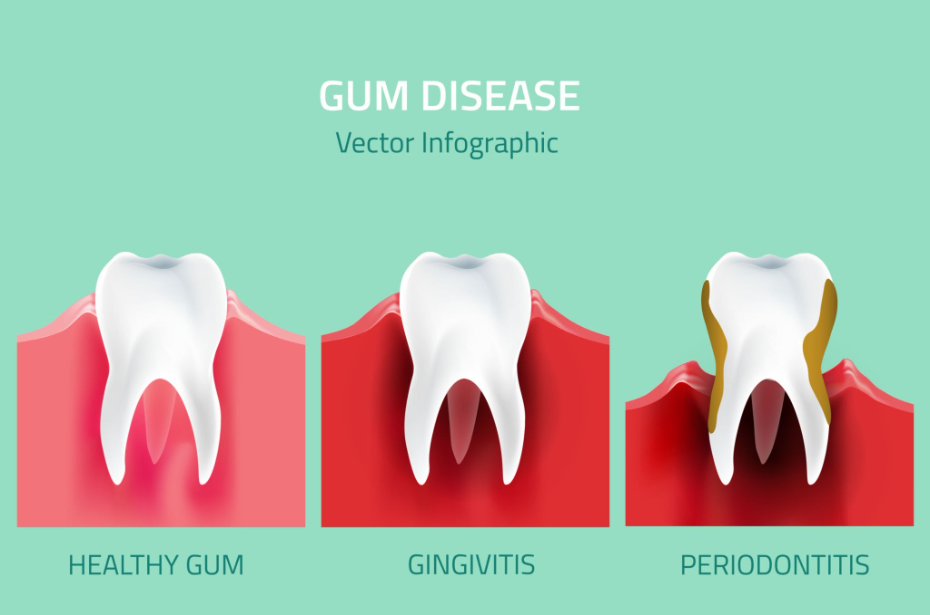
- Recognising the difference between gingivitis and advanced periodontitis.
- The role of professional dental cleanings in gum health recovery.
- Lifestyle factors that influence the healing process of gum tissue.
- When to seek professional medical advice for persistent bleeding.
The Relationship Between Plaque and Bleeding Gums
Gums bleed primarily as an immune response to the presence of bacterial plaque sitting at the interface between the tooth and the gum. This film of bacteria causes the gums to become “friable,” meaning they are easily damaged and prone to bleeding even with gentle contact. If this plaque is not removed regularly, it hardens into tartar, which further irritates the gums and creates a surface that is impossible to clean with a standard toothbrush.
The National Institute for Health and Care Excellence provides clear clinical guidelines on the prevention and management of periodontal diseases to ensure consistent standards of oral care across the UK. By improving dental hygiene, you remove the bacterial load that triggers this inflammatory response. Over time, as the irritation subsides, the gum tissue becomes firmer, pinker, and less likely to bleed during daily cleaning.
Improving Hygiene Techniques for Gum Recovery
Better dental hygiene involves more than just increasing the frequency of brushing; it requires the correct technique to ensure that the gum line is adequately cleaned. Brushing twice a day for two minutes with a fluoride toothpaste is the foundation of gum health. The brush should be held at a 45-degree angle to the gums, using gentle circular motions to massage the gum line and sweep away plaque without causing physical trauma to the tissues.
The NHS offers comprehensive advice on how to stop gums from bleeding, highlighting the critical role of daily interdental cleaning in maintaining healthy gum tissue. Many people stop flossing when they notice blood, but this is often counterproductive. While it may seem counterintuitive, continuing to clean between the teeth is essential for removing the bacteria that are causing the bleeding in the first place. Most individuals notice a significant reduction in bleeding within one to two weeks of starting a consistent interdental routine.
Professional Intervention and Deep Cleaning
While home care is vital, professional dental cleanings are often necessary to jumpstart the healing process, especially if tartar has already formed. A dentist or dental hygienist can perform a “scale and polish,” which involves using specialised tools to remove hardened deposits from above and below the gum line. This professional cleaning provides a “clean slate,” making it much easier for the patient to maintain their gum health at home.
In cases where gingivitis has progressed to periodontitis, more intensive treatments such as “root surface debridement” may be required. This involves cleaning the roots of the teeth to remove deep-seated bacteria and smooth out the surface, allowing the gums to reattach to the tooth more securely. Regular professional check-ups ensure that the progression of gum disease is monitored and that early signs of regression are addressed before they cause permanent damage to the supporting bone.
Lifestyle Factors and Gum Healing
The speed at which bleeding gums improve can be influenced by various lifestyle factors, including diet and tobacco use. Vitamin C and other antioxidants play a role in collagen synthesis and tissue repair, which are essential for healthy gums. A balanced diet supports the body’s ability to fight off oral infections and repair the micro-trauma associated with daily wear and tear.
Tobacco use is a major risk factor for gum disease and can mask the symptoms of inflammation. Smoking reduces the blood flow to the gums, which means they may not bleed even when they are severely diseased. This can lead to a false sense of security, as the damage continues undetected. The UK government provides resources and support for smoking cessation, noting that quitting smoking is one of the most effective ways to improve oral and systemic health outcomes.
Comparison of Gum Health Indicators
| Indicator | Healthy Gums | Gingivitis (Reversible) |
| Colour | Pale pink | Red or dusky purple |
| Texture | Firm and “stippled” | Swollen and shiny |
| Bleeding | None during cleaning | Bleeds with brushing/flossing |
| Sensation | No pain or discomfort | Tenderness or sensitivity |
| Stability | No movement of teeth | Teeth remain stable |
Conclusion
Bleeding gums can almost always improve with better dental hygiene, provided the condition is caught in its early stages. By removing plaque through correct brushing and daily interdental cleaning, the underlying inflammation can be reversed. Combined with professional cleanings and a healthy lifestyle, these practices are the most effective way to ensure long-term gum health and prevent the transition to more serious periodontal disease.
If you experience severe, sudden, or worsening symptoms, call 999 immediately.
Is it normal for gums to bleed when I start flossing?
Yes, it is common for gums to bleed for the first few days when you start a new flossing routine; this should stop within two weeks as the gums become healthier.
How long does it take for bleeding gums to stop?
With consistent and correct dental hygiene, most people see a significant improvement in gum bleeding within seven to fourteen days.
Can I use mouthwash to stop my gums from bleeding?
Some therapeutic mouthwashes can help reduce bacteria, but they should be used as a supplement to, rather than a replacement for, mechanical brushing and flossing.
Why do my gums bleed even though I brush every day?
You may be missing the plaque at the gum line or between the teeth, or you might be brushing too hard and causing physical irritation.
Does pregnancy cause bleeding gums?
Hormonal changes during pregnancy can make gums more sensitive to plaque, a condition known as pregnancy gingivitis, which requires extra attention to hygiene.
Can a lack of vitamins cause bleeding gums?
A severe deficiency in Vitamin C can lead to weakened gum tissue and bleeding, though this is relatively rare in the UK with a balanced diet.
When should I see a dentist about bleeding gums?
If your gums continue to bleed after two weeks of improved hygiene, or if you notice receding gums or loose teeth, you should book a dental assessment.
Authority Snapshot (E-E-A-T)
This article provides educational information on gum health and is strictly aligned with NHS and NICE clinical protocols for the management of gingivitis. The content is reviewed by Dr. Stefan Petrov, a UK-trained physician with an MBBS and certifications in Basic and Advanced Cardiac Life Support. Dr. Petrov has extensive experience in general medicine and emergency care within the UK hospital system, ensuring that the health advice provided is accurate and focused on patient safety.



