




Both colon polyps and diverticulitis can lead to persistent changes in bowel habits, such as constipation or diarrhoea, though they do so through entirely different biological and structural mechanisms. Colon polyps are tissue growths on the inner lining of the bowel that may cause functional disruptions if they become large enough to obstruct the passage of waste. Diverticulitis involves the acute inflammation or infection of small pouches in the colon wall, which often causes the bowel to become reactive, resulting in urgent or difficult bowel movements. In the United Kingdom, healthcare professionals monitor these symptoms closely as they can indicate structural changes or inflammatory events that require specific clinical interventions. While many factors like diet and stress influence bowel consistency, persistent changes in waste passage are key indicators used by the NHS to determine when further investigations, such as a colonoscopy, are necessary. Understanding how these distinct conditions impact the movement of waste helps individuals recognise when their bowel habits have deviated from their personal norm. By identifying these changes early, the UK healthcare system can provide targeted management to restore bowel stability and address underlying issues.
What We’ll Discuss in This Article
- How large colon polyps can physically obstruct the passage of waste.
- The inflammatory triggers in diverticulitis that cause reactive diarrhoea.
- Why constipation is a frequent finding in both conditions for different reasons.
- Comparing the functional impact of inward growths versus outward pouches.
- Identifying “red-flag” changes in bowel habits that require medical review.
- UK clinical protocols for investigating persistent constipation or diarrhoea.
How Large Polyps Disrupt Bowel Regularity
Large colon polyps can cause constipation or changes in stool consistency by creating a physical partial blockage within the space inside the large intestine. While most polyps are small and cause no symptoms, a polyp that grows to a significant size can narrow the lumen, which is the channel through which waste travels. The NHS states that bowel polyps are common and usually do not cause symptoms, but some can cause a change in your bowel habits, such as diarrhoea or constipation.
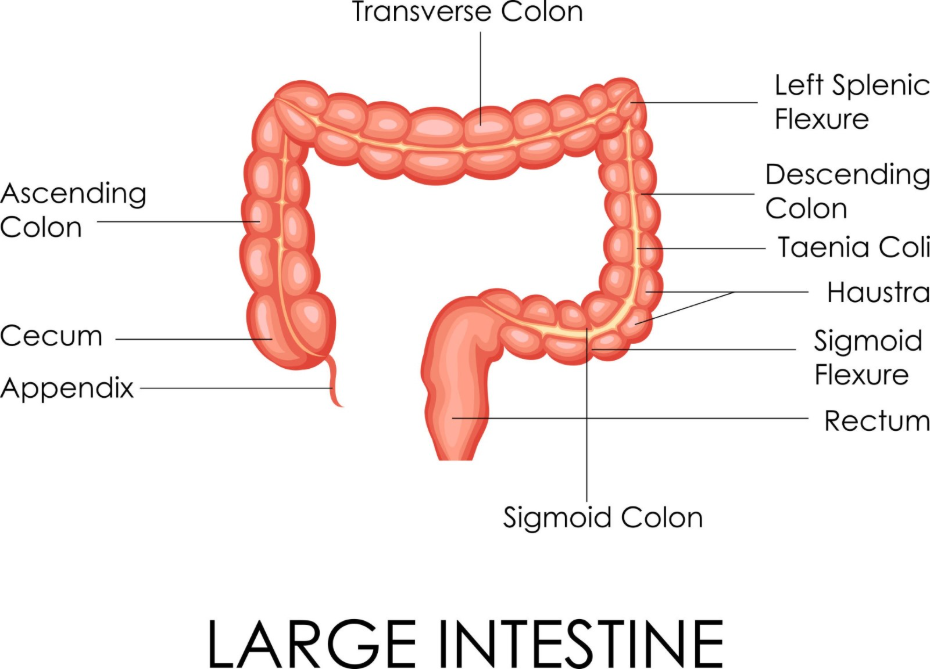
When a growth occupies part of this space, the colon must work harder to move waste past the obstruction, which can lead to stools appearing narrower than usual or a feeling of incomplete evacuation. In some cases, the presence of a large polyp can also cause the bowel to secrete excess mucus, which may present as loose or watery stools that mimic diarrhoea. In the United Kingdom, any unexplained change in bowel habits lasting for several weeks is a clinical indicator that requires a thorough investigation of the bowel lining. Because polyps are slow-growing, these changes often develop gradually over a long period.
Diverticulitis and Reactive Changes in Stool Passage
Diverticulitis causes constipation or diarrhoea because the acute inflammation of the colon wall interferes with the normal rhythmic contractions needed to move waste. Diverticulitis occurs when small pouches in the colon lining, known as diverticula, become infected or inflamed. NICE clinical guidelines for diverticular disease management indicate that symptoms can include a change in bowel habit, such as constipation or diarrhoea, along with constant abdominal pain and fever.
During an inflammatory flare-up, the affected section of the colon becomes swollen and sensitive. This swelling can narrow the bowel, leading to constipation. Conversely, the irritation of the mucosal lining can make the bowel “reactive,” causing it to contract more frequently and move waste through too quickly, resulting in diarrhoea. Unlike the gradual changes seen with polyps, the disruptions caused by diverticulitis usually appear suddenly and are accompanied by localised pain, typically in the lower left side of the abdomen. UK clinicians use the presence of these acute functional changes alongside signs of infection to stage the severity of the condition.
Comparing the Functional Impact on the Colon
The way polyps and diverticulitis affect the passage of waste is determined by their structural orientation and the body’s response to their presence.
| Feature | Colon Polyps | Diverticulitis |
| Bowel Obstruction | Caused by an inward-growing mass. | Caused by wall swelling and inflammation. |
| Bowel Sensitivity | Usually low; polyps are often painless. | High; the lining is reactive and tender. |
| Timing of Changes | Gradual and persistent over months. | Acute onset during an inflammatory flare. |
| Stool Appearance | May be narrower (ribbon-like). | May contain mucus or be very loose. |
| Primary Mechanism | Mechanical/Physical blockage. | Physiological/Inflammatory response. |
This comparison highlights that while the outcome constipation or diarrhoea may be similar, the underlying cause is very different. In the UK, a diagnostic colonoscopy is the most effective way to distinguish between a physical growth like a polyp and the structural pockets associated with diverticular disease. This distinction is vital because the treatment for a physical obstruction differs significantly from the management of a bacterial infection in the bowel wall.
The Significance of Persistent Constipation
Persistent constipation in both conditions is a clinical signal that the structural integrity of the colon or its ability to move waste is being compromised. In diverticular disease, chronic constipation is often both a cause and a symptom; the high pressure needed to move hard stools can cause more pouches to form, while existing inflammation can make passing waste difficult.
In the case of polyps, constipation is less common but more concerning when it does occur, as it suggests the growth has reached a size where it is significantly impeding the bowel lumen. The GOV.UK health pages indicate that a persistent change in bowel habits is one of the most important symptoms to monitor as part of the national bowel screening programme. In the UK, clinicians often suggest increasing dietary fibre to help manage constipation, but they will also investigate to ensure that a structural growth or severe inflammation is not the primary cause of the difficulty.
Diarrhoea and Mucus Production
Diarrhoea or very loose stools can occur with both polyps and diverticulitis, often involving the production of excess mucus or the body’s attempt to move waste past an area of irritation. Large “villous” adenomas, a specific type of polyp, are known for secreting significant amounts of fluid and electrolytes, which can lead to frequent, watery bowel movements.
In diverticulitis, diarrhoea is a sign of “colonic irritability,” where the infection makes the nerves in the bowel wall overactive. This can lead to urgency and frequent trips to the bathroom, often accompanied by cramping. While a simple stomach bug can cause similar symptoms, the diarrhoea associated with structural or inflammatory bowel conditions is usually persistent and does not resolve after a few days of rest. Identifying whether diarrhoea is caused by cellular secretion (polyps) or tissue reactivity (diverticulitis) is a key part of the diagnostic process in the United Kingdom.
UK Clinical Pathways for Bowel Habit Changes
The investigation of constipation or diarrhoea in the United Kingdom follows a structured pathway that involves assessing the duration of the change and the presence of other “red-flag” symptoms. If a patient reports a change in bowel habits lasting three weeks or more, a GP will typically perform a physical examination and may order blood tests to check for markers of inflammation or anaemia.
A stool test, such as the Faecal Immunochemical Test (FIT), may be used to look for microscopic amounts of blood, which is a common finding with both polyps and diverticulitis. If the clinical picture is unclear or if the changes are persistent, the standard UK protocol is to refer the patient for a colonoscopy. During this procedure, a thin camera is used to inspect the entire lining of the large intestine to identify polyps, which can be removed, or to confirm the presence of diverticula. This integrated approach ensures that the functional symptoms are linked to their physical causes, allowing for effective treatment and long-term monitoring of bowel health.
Conclusion
Both colon polyps and diverticulitis can cause constipation or diarrhoea through mechanical blockage or inflammatory irritation of the bowel wall. While polyps typically cause gradual changes, diverticulitis leads to acute disruptions often paired with pain and fever. In the UK, persistent changes in bowel habits are treated as significant clinical indicators that require investigation through stool tests or colonoscopies. Managing these conditions involves a combination of dietary adjustments and medical or procedural interventions to restore normal bowel function. If you experience severe, sudden, or worsening symptoms, call 999 immediately.
Can a small polyp cause diarrhoea?
Generally, small polyps are asymptomatic; diarrhoea is more likely to be caused by very large polyps or other digestive issues.
Why does diverticulitis cause both constipation and diarrhoea?
Swelling can narrow the bowel to cause constipation, while the infection can irritate the lining to cause urgent diarrhoea.
Is mucus in my stool a sign of a polyp?
Some large polyps produce excess mucus, which can appear as a jelly-like substance in the stool, but this can also occur with inflammation.
Will a high-fibre diet fix bowel habit changes caused by polyps?
While fibre supports general bowel health, it cannot remove a polyp; growths must be physically removed by a clinician.
How long should I wait before seeing a doctor about constipation?
In the UK, you should seek medical advice if you have a persistent change in your bowel habits lasting three weeks or more.
Can diverticulitis cause “pencil-thin” stools?
Yes, the swelling during a flare-up can narrow the passage of waste, making stools appear much thinner than usual.
Do polyps cause the same cramping as diverticulitis?
Usually no; polyps are often painless, whereas diverticulitis is characteristically associated with sharp or cramping abdominal pain.
Authority Snapshot (E-E-A-T)
This article provides medically factual health education regarding how polyps and diverticulitis affect bowel habits, strictly aligned with NHS and NICE clinical guidelines. The content is developed by a professional medical writing team and reviewed by Dr. Rebecca Fernandez, a UK-trained physician with extensive experience in internal medicine, general surgery, and emergency care. All information follows current UK public health protocols to ensure clinical accuracy and patient safety.



