Liver cirrhosis can progress significantly without causing any noticeable symptoms, often remaining undetected until the damage to the organ is extensive. This silent progression occurs because the liver is a highly resilient organ capable of maintaining its essential functions even when a large portion of its tissue has been replaced by scar tissue. In the United Kingdom, many individuals are diagnosed with cirrhosis only after several years of gradual scarring, during which time they may have felt entirely healthy. Medical professionals categorise this asymptomatic phase as compensated cirrhosis, meaning the remaining healthy liver cells are working harder to compensate for the damaged ones. Because physical symptoms are often absent during the early and middle stages of the disease, regular clinical monitoring and the management of known risk factors are the only reliable ways to identify the progression of the condition before it reaches a critical state.
What We’ll Discuss in This Article
- The biological reasons why liver scarring often occurs silently.
- The difference between compensated and decompensated cirrhosis.
- Why the liver does not produce pain signals during the scarring process.
- How the NHS identifies silent cirrhosis through targeted screening.
- Common risk factors that warrant regular liver health checks.
- The importance of non-invasive testing in monitoring disease progression.
The Resilient Nature of the Liver and Silent Scarring
The liver possesses a remarkable functional reserve that allows it to continue processing toxins and producing essential proteins even while undergoing significant structural changes. As healthy liver cells are damaged by factors such as alcohol, viral hepatitis, or metabolic stress, the organ attempts to repair itself by creating fibrous scar tissue. The NHS states that in the early stages of cirrhosis there are often no symptoms, and many people only find out they have a problem during tests for an unrelated condition.
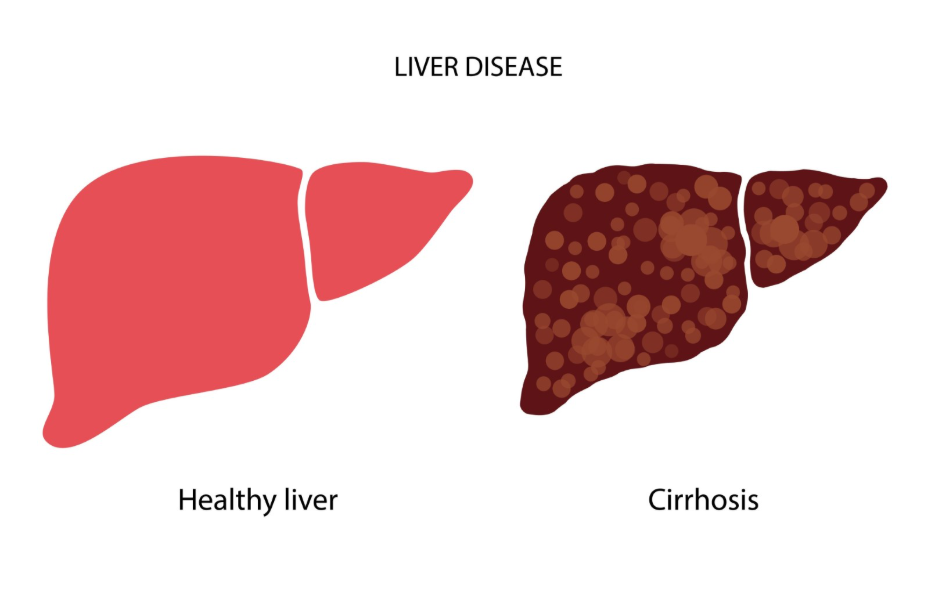
This ability to function despite damage means that the progression of cirrhosis does not follow a linear path of increasing physical discomfort. An individual may go about their daily life with a liver that is becoming increasingly firm and scarred without experiencing any decline in their general well being. It is only when the scarring becomes so widespread that the healthy tissue can no longer meet the body’s metabolic needs that the “silent” phase ends and symptoms begin to appear.
Compensated versus Decompensated Cirrhosis
Clinicians distinguish between two main stages of cirrhosis based on whether the liver is still able to perform its duties effectively despite the damage. Compensated cirrhosis is the asymptomatic phase where the liver is scarred but still functions well enough that the person experiences no significant health issues. Many patients in the UK live in this state for decades, unaware that their liver is in a high risk condition.
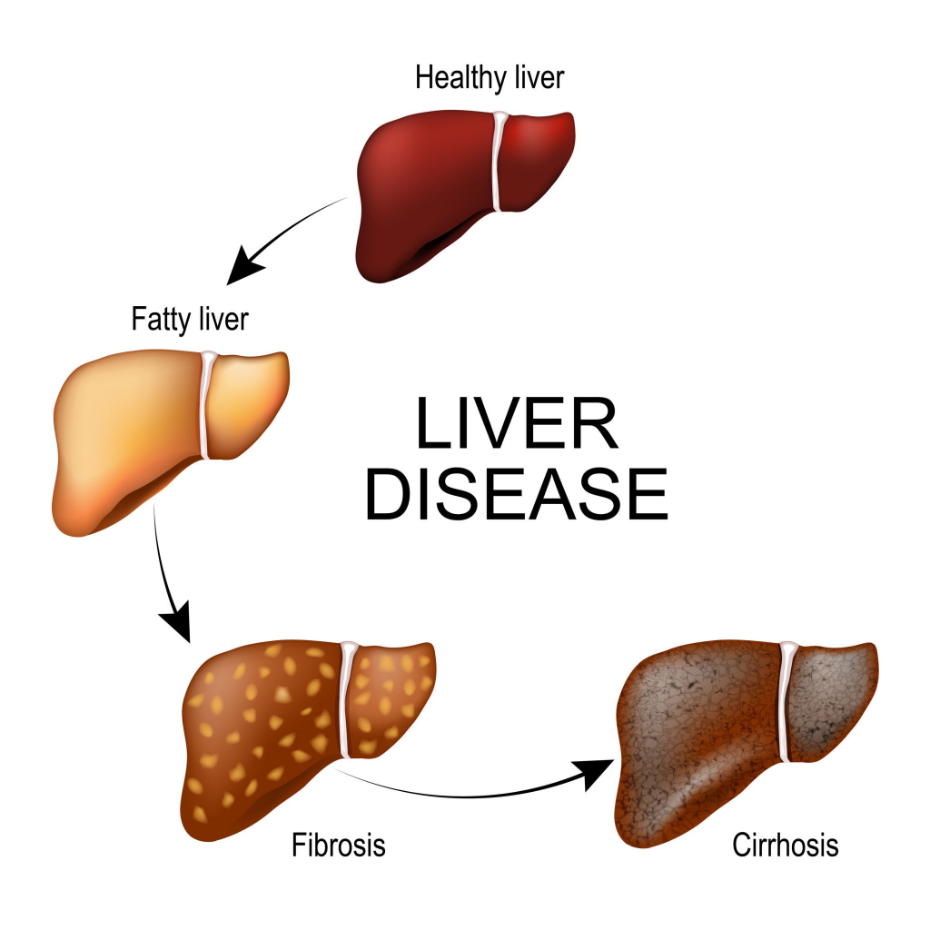
Decompensated cirrhosis occurs when the scarring reaches a threshold where the liver begins to fail, leading to obvious and serious symptoms. This transition can happen gradually or can be triggered suddenly by an infection or another health stressor. Common signs of decompensation include jaundice, fluid buildup in the abdomen, and confusion due to toxins reaching the brain. NICE clinical guidelines emphasise that identifying patients in the compensated phase is a primary goal of liver care, as it allows for interventions that can prevent or delay the onset of decompensation.
The Absence of Pain in Liver Tissue
A primary reason why cirrhosis progresses without warning is that the internal tissue of the liver lacks pain receptors. The nerves capable of sending pain signals are located only on the Glisson’s capsule, which is the thin, protective membrane that surrounds the entire organ. Pain or physical discomfort typically only arises if the liver becomes significantly enlarged or inflamed, causing this outer membrane to stretch.
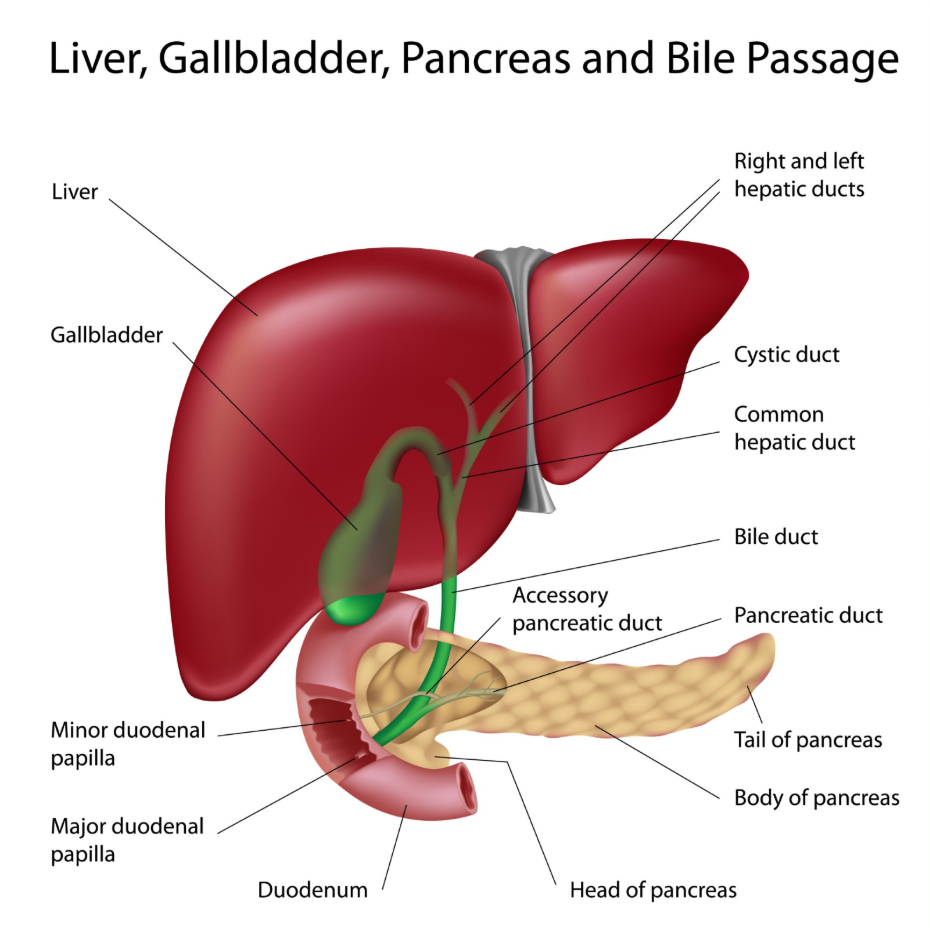
In many cases of cirrhosis, particularly those caused by long term alcohol use or certain viral infections, the liver may actually shrink and become hard rather than swell. This means the protective capsule is not stretched, and the patient feels no physical pain or “heaviness” in the abdomen. This biological reality makes it impossible for a person to accurately judge the health of their liver based on physical sensations alone, reinforcing the need for clinical diagnostics.
Identifying Silent Progression in the UK
Because cirrhosis is often silent, the NHS uses targeted screening and specific diagnostic tools to find liver damage in people who feel healthy but have known risk factors. Routine liver function tests are blood tests that measure enzymes like ALT and GGT; while these can be normal in silent cirrhosis, persistent elevations often provide the first clue that a scarring process is underway.
To get a definitive measure of liver stiffness, specialists often use a FibroScan. This non-invasive ultrasound-based test measures how quickly a pulse travels through the liver tissue; the faster the pulse travels, the stiffer the liver is, indicating more advanced scarring. The GOV.UK health pages indicate that proactive monitoring of high risk groups using these non invasive tools is essential for reducing the number of people who only discover their cirrhosis when it has reached a life threatening stage.
Risk Factors Requiring Vigilance
Certain lifestyle and medical factors significantly increase the probability of silent cirrhosis progression, and individuals in these categories are encouraged to have regular liver checks even if they feel well. Chronic heavy drinking is a well-known risk, but non-alcoholic fatty liver disease, often linked to obesity and type 2 diabetes, is becoming an increasingly common cause of silent scarring in the UK.
Other silent drivers include chronic Hepatitis B or Hepatitis C infections, which can stay in the body for decades without causing symptoms while gradually destroying liver tissue. Autoimmune conditions and inherited disorders like haemochromatosis also contribute to the silent progression of cirrhosis. In all these cases, the liver damage occurs quietly in the background, making clinical awareness and consistent follow up appointments with a healthcare provider vital for long term safety.
Conclusion
Cirrhosis can and frequently does progress without any noticeable symptoms due to the liver’s ability to function despite significant scarring and the lack of pain receptors within the organ tissue. The transition from compensated to decompensated cirrhosis marks the point where symptoms finally emerge, but this often means the damage is already advanced. Relying on clinical screening, such as blood tests and non invasive scans, is the only reliable way to monitor liver health and catch silent progression early. Managing underlying risk factors is essential for protecting the liver from irreversible damage. If you experience severe, sudden, or worsening symptoms, call 999 immediately.
If my liver blood tests are normal, does it mean I don’t have cirrhosis?
Not necessarily; some people with compensated cirrhosis have normal liver enzyme levels, which is why scans like a FibroScan are often needed for a clear diagnosis.
Why don’t I feel any pain if my liver is scarred?
The liver tissue itself has no pain nerves; you generally only feel pain if the liver’s outer covering is stretched or if the inflammation affects nearby organs.
Can silent cirrhosis be reversed?
While the scar tissue itself is usually permanent, identifying and treating the cause can stop the scarring from getting worse and allow the healthy parts of the liver to work better.
How often should I have a liver check if I have a risk factor?
Most people at risk for liver scarring are checked every six to twelve months, but your healthcare provider will determine a schedule based on your specific health needs.
Does a healthy diet stop cirrhosis from progressing?
A healthy diet and avoiding alcohol are essential for reducing liver stress, but they must be combined with medical management of the underlying cause of the scarring.
What is the difference between fibrosis and cirrhosis?
Fibrosis is the initial stage of liver scarring; cirrhosis is the advanced stage where the scarring is so widespread it changes the entire shape and structure of the liver.
Can thin people have silent cirrhosis?
Yes, cirrhosis can be caused by viral hepatitis, autoimmune issues, or “lean” fatty liver disease, none of which require a person to be overweight.
Authority Snapshot (E-E-A-T)
This article provides medically factual health information regarding the silent progression of cirrhosis, strictly aligned with NHS and NICE clinical guidelines. The content is developed by a professional medical writing team and reviewed by Dr. Rebecca Fernandez, a UK-trained physician with experience in internal medicine, surgery, and emergency care. All information follows current UK public health protocols to ensure clinical accuracy and patient safety.