




Coeliac disease is an autoimmune condition where the body’s immune system reacts to gluten by attacking the lining of the small intestine. This internal damage has significant implications for how the body processes and absorbs essential nutrients from the diet. One of the most frequent systemic complications of this process is the development of nutritional deficiencies, specifically involving iron. Because the small intestine is the primary site for mineral absorption, any impairment to its structure can lead to clinical conditions such as anaemia, which affects energy levels and overall physical health.
What We’ll Discuss in This Article
- The biological link between coeliac disease and iron absorption
- How malabsorption leads to the development of anaemia
- Common symptoms of iron deficiency in coeliac patients
- The importance of clinical screening and blood tests
- Managing iron levels through diet and medical support
- Recovery timelines for nutrient levels on a gluten free diet
Coeliac disease is a leading cause of unexplained iron deficiency anaemia
Iron deficiency anaemia is one of the most common non digestive symptoms of coeliac disease because the immune system attacks the specific area of the small intestine where iron is absorbed. Coeliac disease is an autoimmune condition where the immune system attacks healthy tissue after the ingestion of gluten, leading to flattened intestinal villi.
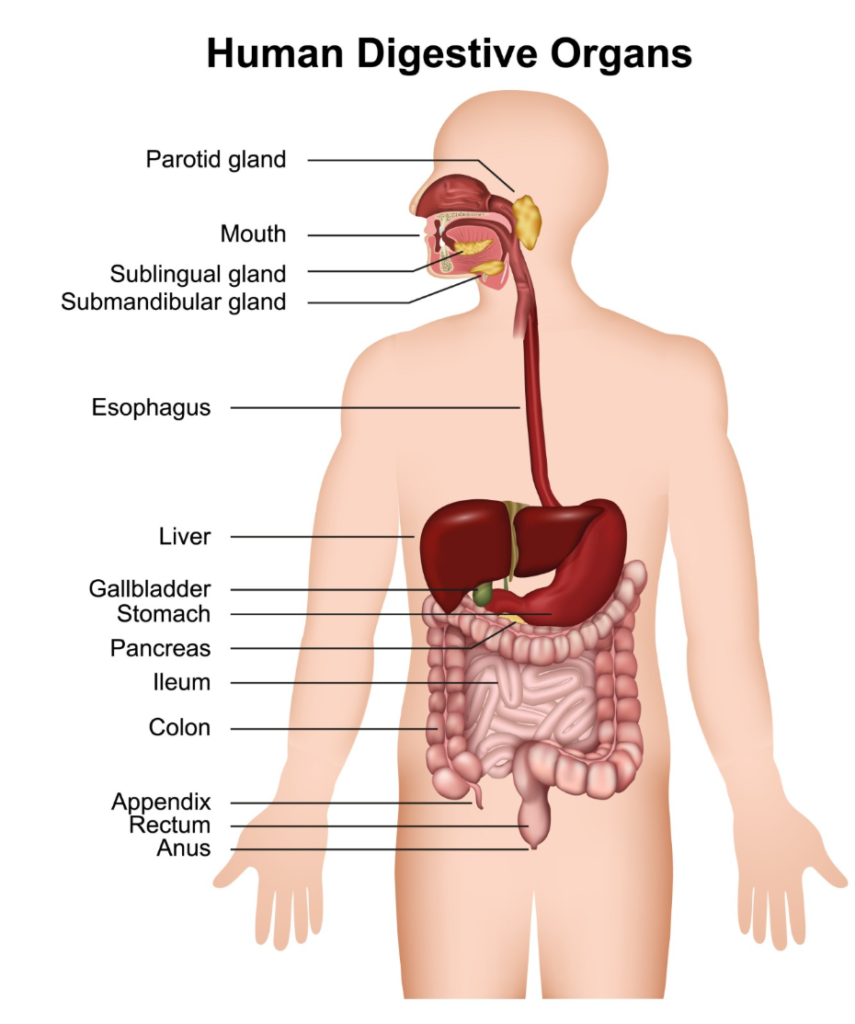
When these villi are damaged, the body cannot take in enough iron from food to produce sufficient haemoglobin for red blood cells. In many cases, iron deficiency anaemia may be the only sign of coeliac disease in adults, occurring even in the absence of obvious stomach pain or diarrhoea.
The mechanism of malabsorption in the small intestine
The absorption of iron primarily occurs in the first part of the small intestine, known as the duodenum, which is often the area most affected by coeliac related inflammation. When the intestinal lining is compromised, the transport proteins required to move iron from the gut into the bloodstream cannot function correctly. According to the National Institute for Health and Care Excellence, coeliac disease should be considered in people with unexplained iron deficiency anaemia as a standard part of diagnostic investigations. Without addressing the underlying gut damage through a strict gluten free diet, oral iron supplements may not be absorbed effectively, leading to persistent deficiency.
Identifying symptoms of anaemia and iron lack
When iron levels fall, the body cannot transport oxygen efficiently to tissues and organs, resulting in a variety of systemic symptoms. Patients often report extreme tiredness, a lack of energy, and shortness of breath even after mild physical exertion. Other clinical signs may include a pale complexion, heart palpitations, and a noticeable thinning of the hair or brittle nails. Because these symptoms can develop gradually, many individuals may not realise they have a deficiency until it is identified through a routine blood test performed by their GP.
Restoring iron stores and intestinal healing
The primary treatment for iron deficiency caused by coeliac disease is the lifelong removal of gluten from the diet to allow the intestinal lining to heal. As the villi regrow, the small intestine regains its ability to absorb iron and other vital nutrients from food. While the gut begins to heal, doctors may recommend iron supplements to help restore the body stores more quickly. It is essential that these supplements are taken under medical supervision, as blood tests are required to monitor progress and ensure that the anaemia is fully resolved as the autoimmune response subsides.
Conclusion
Coeliac disease is a well established cause of iron deficiency and anaemia due to the direct impact of autoimmune damage on the nutrient absorption sites in the small intestine. These conditions often present as extreme fatigue and weakness, serving as a vital clinical indicator for undiagnosed coeliac disease. Healing the gut through a strict gluten free diet is the only way to ensure long term iron stability and overall health. If you experience severe, sudden, or worsening symptoms, call 999 immediately.
Can I have anaemia without any stomach symptoms?
Yes, iron deficiency anaemia is frequently the only noticeable symptom in people with silent coeliac disease.
How long does it take for iron levels to improve?
While supplements can help quickly, it may take several months for your iron levels to stabilise as your gut heals on a gluten free diet.
Are iron injections necessary for coeliac disease?
Injections are usually only considered if oral supplements are not tolerated or if the malabsorption is very severe.
Why did my anaemia return after stopping gluten?
A return of anaemia may suggest accidental gluten ingestion or that the intestinal lining has not yet fully recovered.
Does coeliac disease affect other vitamins too?
Yes, it can also lead to deficiencies in vitamin B12, folate, and vitamin D due to general malabsorption.
Should I take iron every day if I am coeliac?
You should only take iron supplements if a blood test has confirmed a deficiency and your doctor has advised a specific dose.
Can children with coeliac disease get anaemic?
Yes, children are also at risk of iron deficiency, which can manifest as tiredness, irritability, or poor growth.
Authority Snapshot (E-E-A-T Block)
This article was created by the Medical Content Team to provide clear, UK-focused education on the relationship between coeliac disease and iron levels. It has been reviewed by Dr. Stefan Petrov, a UK-trained physician, to ensure the information aligns with current NHS and NICE clinical guidelines. Our purpose is to help the general public understand autoimmune complications without providing individual diagnosis.



