




Coeliac disease is a lifelong autoimmune condition where the immune system reacts abnormally to gluten, causing damage to the small intestine. While it is primarily associated with digestive distress, it is increasingly recognised as a systemic disorder that can affect various parts of the body, including the central and peripheral nervous systems. For some individuals, neurological manifestations may occur even in the absence of obvious gastrointestinal symptoms, making clinical awareness vital for an accurate diagnosis. In the United Kingdom, healthcare professionals follow evidence-based pathways to identify and manage these complex symptoms, ensuring that patients receive appropriate support to protect their long-term neurological health.
What We’ll Discuss in This Article
- Common neurological symptoms associated with coeliac disease
- The biological link between gluten and the nervous system
- Understanding gluten ataxia and its impact on coordination
- Peripheral neuropathy and sensory changes in coeliac patients
- The role of nutrient malabsorption in neurological health
- Expected improvements on a strict gluten free diet
Coeliac disease is associated with several neurological symptoms including peripheral neuropathy and balance issues
Neurological manifestations are established non-digestive symptoms of coeliac disease because the autoimmune response can cause inflammation and damage to nerve tissues. Coeliac disease can cause a wide range of symptoms including tingling and numbness in the hands and feet alongside, a general feeling of being unsteady.
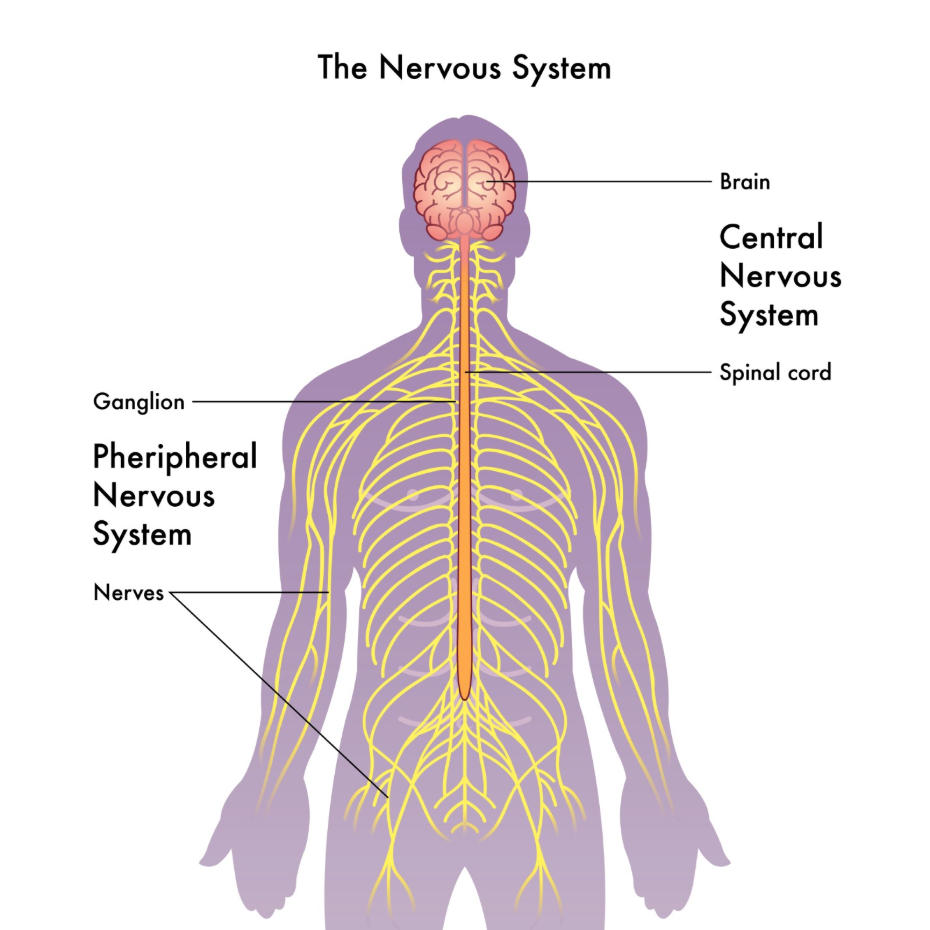
These issues often arise because the immune system misidentifies certain proteins in the brain and nerves as threats, leading to chronic inflammation. Recognising these signs early is essential, as persistent neurological distress may be the only clinical indication of an underlying gluten sensitivity in some patients.
Understanding gluten ataxia and coordination challenges
One of the more specific neurological complications linked to coeliac disease is gluten ataxia, a condition that affects the cerebellum, the part of the brain responsible for balance and movement. Individuals with this condition may experience progressive clumsiness, difficulty walking, or problems with fine motor skills. According to the National Institute for Health and Care Excellence, coeliac disease should be considered in people with unexplained neurological symptoms such as ataxia. Clinical evidence suggests that early intervention with a gluten free diet is the primary method for stabilising the cerebellum and preventing further loss of coordination.
Peripheral neuropathy and sensory changes
Peripheral neuropathy, which involves damage to the nerves outside the brain and spinal cord, is frequently reported by individuals with undiagnosed coeliac disease. This often manifests as persistent tingling, burning sensations, or numbness, typically starting in the hands and feet. While the exact mechanism is still being studied, it is believed that both direct autoimmune attacks and the systemic inflammation caused by gluten play a role. Coeliac disease is an autoimmune condition where the immune system attacks healthy tissue, and these attacks can extend to the protective coatings of the nerves, disrupting the normal transmission of sensory signals.
The impact of malabsorption on neurological health
A significant contributing factor to neurological issues in coeliac disease is the malabsorption of essential vitamins and minerals caused by intestinal damage. The small intestine is responsible for absorbing nutrients like vitamin B12, folate, and vitamin E, all of which are vital for maintaining healthy nerve function. Deficiencies in vitamin B12 and folate can cause extreme tiredness and neurological problems such as pins and needles or cognitive changes. Correcting these deficiencies through a strict diet and medical supplementation is a key part of resolving neurological symptoms and allowing the nervous system to recover.
Conclusion
Coeliac disease can lead to a variety of neurological symptoms, ranging from peripheral neuropathy to more severe coordination issues like gluten ataxia. These complications are driven by both direct autoimmune responses and the secondary effects of nutrient malabsorption. Adhering to a strict, lifelong gluten-free diet is the most effective way to reduce inflammation and support the healing of the nervous system. If you experience severe, sudden, or worsening symptoms, call 999 immediately.
Can coeliac disease cause headaches?
Yes, chronic migraines or tension-type headaches are frequently reported as non-digestive symptoms of the condition
Will my balance improve once I stop eating gluten?
In many cases, balance can stabilise or improve on a gluten-free diet, but recovery depends on the extent of the initial neurological damage.
Is brain fog a neurological symptom?
Yes, many patients describe brain fog as a state of mental confusion or lack of focus that often improves once gluten is removed from the diet.
Can children have neurological signs of coeliac disease?
Yes, in children, this may manifest as irritability, lack of concentration, or developmental delays in motor skills.
Is gluten ataxia the same as coeliac disease?
Gluten ataxia is a neurological manifestation of gluten sensitivity, and while it often occurs with coeliac disease, it can sometimes occur on its own.
Do I need a neurologist if I have coeliac disease?
If you have persistent numbness, tingling, or balance issues, your GP may refer you to a neurologist for a specialist assessment.
Can a B12 deficiency cause permanent nerve damage?
If left untreated for a long period, severe B12 deficiency can lead to permanent changes, which is why regular nutrient monitoring is vital.
Authority Snapshot (E-E-A-T Block)
This article was created by the Medical Content Team to provide clear, UK focused education on the neurological aspects of coeliac disease. The content has been reviewed by Dr. Rebecca Fernandez, a UK trained physician with extensive experience in internal medicine and psychiatry, to ensure complete alignment with NHS and NICE clinical guidance. Our purpose is to support a holistic understanding of autoimmune health through factual and restrained reporting.



