Diverticulitis and colon polyps can frequently occur at the same time in the large intestine because both conditions are highly prevalent in the adult population and share similar risk factors, such as age and dietary habits. While they are distinct medical issues involving different biological processes, it is common for a clinician to identify both during a single diagnostic investigation. Jaundice, for instance, is a separate metabolic sign, but in the context of bowel health, structural changes like polyps and diverticula represent the most frequent findings in the gastrointestinal tract. In the United Kingdom, healthcare professionals utilise integrated screening and diagnostic pathways to manage these conditions simultaneously. While polyps are inward-growing protrusions and diverticulitis involves the inflammation of outward-bulging pouches, their co-existence requires a coordinated clinical approach to ensure both acute symptoms and long-term risks are addressed. Understanding how these two conditions overlap is essential for patients who may be undergoing investigations for bowel symptoms. By identifying the presence of both, the UK healthcare system can provide comprehensive care that targets infection resolution while also performing preventative cancer screening.
What We’ll Discuss in This Article
- The biological possibility of having both polyps and diverticula.
- Shared risk factors that contribute to both bowel conditions.
- How diagnostic tools like colonoscopies identify dual issues.
- The clinical challenges of managing acute inflammation alongside polyps.
- Why regular screening is essential for individuals with diverticular disease.
- UK clinical protocols for managing multiple findings in the colon.
Co-occurrence of Diverticula and Colon Polyps
It is biologically common for an individual to have both colon polyps and diverticula simultaneously because both conditions are related to the natural ageing of the bowel wall and the long-term impact of dietary patterns. Diverticula are small, bulging pouches that push outward through weak spots in the colon wall, while polyps are clumps of cells that grow inward from the lining. The NHS states that both bowel polyps and diverticular disease are common conditions that become more frequent as people get older.
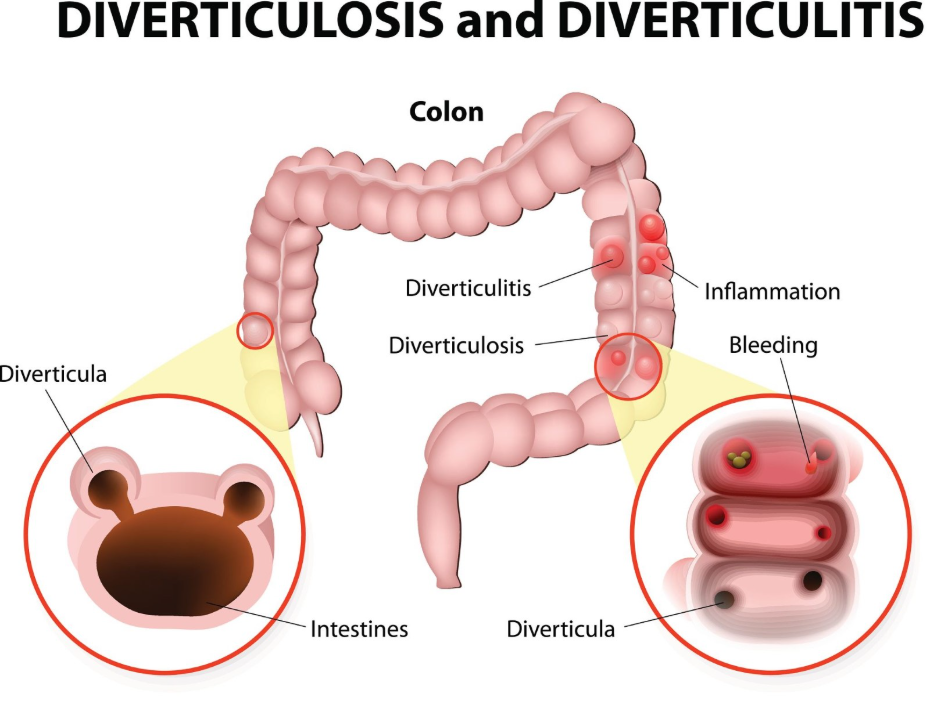
Because they develop in the same environment, the large intestine, it is quite frequent for a patient to have “diverticulosis” (the presence of pouches) and several polyps at once. However, the term “diverticulitis” specifically refers to the stage where those pouches become infected or inflamed. While the polyps themselves do not cause the diverticulitis, their presence in an inflamed colon can complicate the diagnostic process. In the UK, clinicians often find these two conditions together during routine screenings or when investigating changes in bowel habits.
Shared Risk Factors for Bowel Conditions
The simultaneous development of polyps and diverticulitis is often driven by shared modifiable and non-modifiable risk factors, most notably a low-fibre diet and increasing age. Fibre plays a dual role in bowel health: it reduces the internal pressure that causes diverticula to form and helps maintain a healthy mucosal lining that may discourage certain types of cellular overgrowth.
| Risk Factor | Impact on Diverticula | Impact on Polyps |
| Ageing | Weakens the muscular wall of the colon. | Increases the chance of cellular mutations. |
| Low Fibre | Increases bowel pressure and constipation. | Linked to higher rates of adenoma formation. |
| Obesity | Associated with higher inflammatory markers. | Increases metabolic risk for bowel growths. |
| Red/Processed Meat | May irritate the bowel lining. | Significant risk factor for polyp development. |
In the United Kingdom, public health guidance focuses on high-fibre diets to manage both risks. NICE clinical guidelines for colorectal cancer prevention and diverticular disease management both emphasise that lifestyle modifications are the first line of defence for maintaining long-term colon health. By addressing these shared triggers, individuals can lower the likelihood of developing multiple structural issues within the digestive tract.
Diagnostic Challenges During Acute Flare-ups
Identifying polyps can be more challenging when a patient is experiencing an active flare-up of diverticulitis because the inflammation can obscure the view of the bowel lining and increase the risks associated with invasive procedures. When the colon is acutely inflamed, the walls are swollen and sensitive. Performing a colonoscopy during this period is generally avoided in the UK due to an increased risk of perforating the weakened, inflamed pouches.
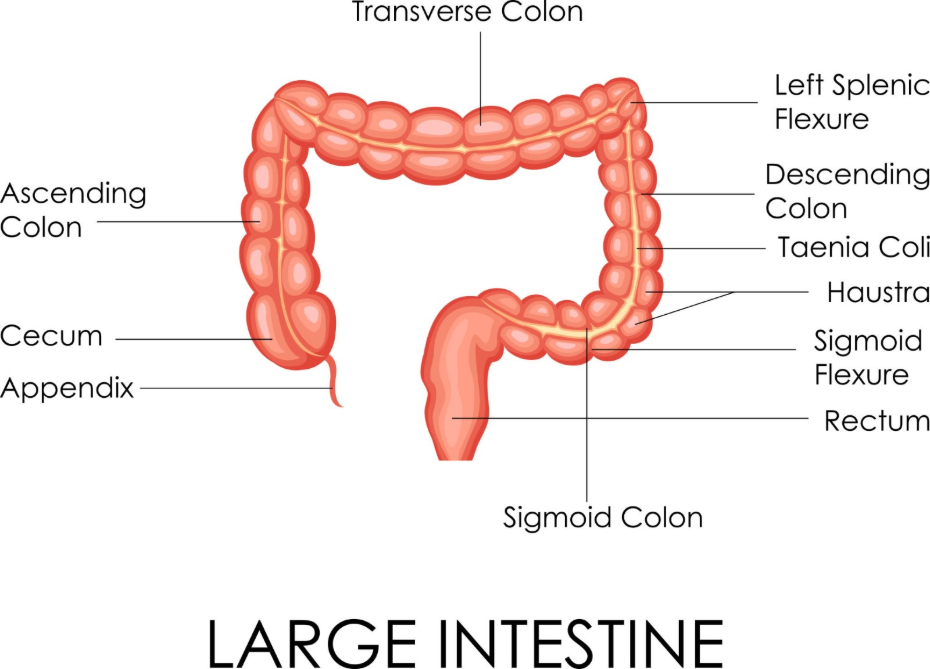
Instead, clinicians typically use a CT scan to diagnose diverticulitis and check for complications. Once the inflammation has been successfully treated with antibiotics or a liquid diet and has fully subsided (usually after six to eight weeks), a follow-up colonoscopy or a CT colonography is scheduled. This delay ensures that the bowel is stable enough for a thorough inspection to find any polyps that might have been hidden by the initial swelling. This staged approach is a cornerstone of UK gastrointestinal safety protocols, ensuring that no growths are missed while protecting the patient from procedural risks.
Long-term Management of Multiple Bowel Findings
When both polyps and diverticula are found, the management plan in the UK focuses on resolving acute inflammation first while establishing a long-term surveillance schedule for the polyps. Diverticulitis is treated as an episodic condition, whereas polyps are managed as a chronic risk-reduction task. If polyps are identified during the follow-up after a diverticulitis flare, they are typically removed (polypectomy) to prevent any future progression toward malignancy.
NICE clinical guidelines for diverticular disease management state that once an acute episode has resolved, the focus should shift to preventing recurrence through high fibre intake. Simultaneously, the patient enters a screening pathway based on the type and size of the polyps found. Having diverticulitis does not necessarily mean a person will develop more polyps, but the presence of both requires a more comprehensive dietary strategy. Patients are often advised to maintain soft stools to avoid putting pressure on the diverticula while ensuring the bowel environment remains healthy for the mucosal lining.
The Role of National Screening Programmes
The UK national bowel screening programmes are designed to detect polyps even in patients who may already be known to have diverticular disease. Many people with diverticulosis believe that any bowel discomfort or minor bleeding is simply due to their “pockets,” which can lead them to ignore signs of polyps or early-stage cancer.
The GOV.UK health pages indicate that participation in bowel screening is essential for all eligible adults, regardless of whether they have other known bowel conditions. The screening test looks for microscopic amounts of blood that could come from a polyp, which diverticula do not typically cause unless they are actively bleeding. By participating in these programmes, individuals with diverticular disease can ensure that polyps are not “hidden” by the symptoms of their other condition. This coordinated surveillance ensures that both conditions are monitored effectively over the person’s lifetime.
Impact on Bowel Function and Quality of Life
Living with both diverticulitis and polyps requires a nuanced understanding of bowel function, as the symptoms of a flare-up can sometimes overlap with the changes in habits associated with larger polyps. While polyps are usually silent, diverticulitis causes acute pain and changes in waste passage. The combination can lead to increased anxiety regarding bowel health.
In the UK, integrated care involves explaining to the patient that while diverticula are structural “wear and tear,” polyps are cellular growths that need removal. Patients are supported by multidisciplinary teams, including specialist nurses and dietitians, to manage their symptoms. This holistic approach helps patients distinguish between the temporary pain of an infection and the persistent changes that require a screening review. By managing both conditions proactively, individuals can maintain a better quality of life and significantly reduce their risk of future gastrointestinal complications.
Conclusion
Diverticulitis and polyps can and often do occur at the same time in the colon, as both are common results of bowel ageing and dietary factors. While they are distinct conditions with different risks, they are frequently identified together during diagnostic investigations in the UK. Management involves treating acute inflammation before performing a thorough visual check to remove any polyps. Participating in national screening and maintaining a high-fibre diet are the most effective ways to manage both conditions simultaneously. If you experience severe, sudden, or worsening symptoms, call 999 immediately.
Can polyps cause diverticulitis?
No, polyps do not cause diverticula to form or become infected; they are separate processes that simply happen in the same organ.
Is it more dangerous to have both?
Having both is very common and not necessarily more dangerous, provided that the diverticulitis is treated and the polyps are removed during a colonoscopy.
Will a CT scan find both polyps and diverticulitis?
A CT scan is excellent for seeing diverticulitis and inflammation, but it is not as reliable as a colonoscopy for finding small polyps.
Does a high-fibre diet help with both?
Yes, a high-fibre diet is the standard long-term recommendation in the UK to prevent diverticulitis flare-ups and support general bowel health.
Can diverticula hide polyps during a colonoscopy?
In a very busy colon with many pouches, it can be more challenging to see everything, which is why a very clean bowel preparation is essential.
Should I have my colon removed if I have both?
No, surgery is rarely needed for either condition unless there are severe complications like a perforated bowel or very high-risk polyps.
How often should I have a check-up if I have both?
Your follow-up schedule will depend on the results of your polyp analysis; diverticulitis itself is usually managed as symptoms arise.
Authority Snapshot (E-E-A-T)
This article provides medically factual health education regarding the co-occurrence of diverticulitis and colon polyps, strictly aligned with NHS and NICE clinical guidelines. The content is developed by a professional medical writing team and reviewed by Dr. Rebecca Fernandez, a UK-trained physician with extensive experience in internal medicine, general surgery, and emergency care. All information follows current UK public health protocols to ensure clinical accuracy and patient safety.