




Coordinated medical care involves multiple healthcare professionals working together to manage the various symptoms associated with rare muscle conditions. In the UK, this approach ensures that a patient is not viewed as a collection of isolated symptoms but as an individual requiring holistic support throughout their life. By integrating specialist expertise from neurology, physiotherapy, and respiratory medicine, the healthcare system aims to maintain physical function and emotional wellbeing for as long as possible. This collaborative model is a cornerstone of specialist clinical practice within the NHS and is designed to provide proactive rather than reactive care.
What We’ll Discuss in This Article
- The definition and structure of a multidisciplinary team in the UK.
- How coordinated care prevents secondary health complications.
- The role of physical and occupational therapy in daily life.
- Managing respiratory and cardiac health through specialist reviews.
- Addressing the nutritional and speech requirements of patients.
- Psychological support for patients and their family members.
- Accessing specialist neuromuscular centres and the transition between services.
The structure of a multidisciplinary team in the UK
Multidisciplinary care in the UK consists of a core group of professionals who collaborate to provide a seamless and comprehensive care journey for patients with rare muscle conditions. This model moves away from the traditional approach where a patient might visit different specialists in isolation, which can often lead to fragmented information and inconsistent treatment plans. Instead, the multidisciplinary team, often referred to as the MDT, allows for a unified strategy where every healthcare professional involved is aware of the patient’s current status and long-term goals. This structure is particularly important for conditions such as muscular dystrophy or myopathy because these disorders often impact multiple body systems simultaneously.
The NHS describes muscular dystrophy as a group of inherited genetic conditions that gradually cause the muscles to weaken, leading to an increasing level of disability. Because the progression of these conditions can be complex, the team is usually led by a consultant neurologist or a paediatrician with a special interest in neuromuscular disorders. They are supported by a neuromuscular care coordinator or a specialist nurse who acts as the primary point of contact for the patient. This coordinator ensures that appointments are aligned and that any changes in the patient’s health are communicated rapidly to the relevant specialists, ensuring the care remains responsive.
Managing physical function through therapy services
Specialist physiotherapy and occupational therapy are essential elements of multidisciplinary care that focus on preserving movement and ensuring the environment supports a high level of independence. The physiotherapist within the team assesses muscle strength and joint range of movement to prescribe specific stretching or gentle exercise programmes that are safe for the individual. Their goal is to maintain flexibility and prevent joint contractures, which are permanent tightenings of the muscles and tendons that can restrict movement.
Occupational therapists evaluate daily tasks and the home or work environment to recommend aids, equipment, or adaptations that facilitate daily living. This might include anything from specialized seating and wheelchairs to minor home modifications like grab rails or lever taps. By identifying and removing physical barriers, these therapists empower patients to continue participating in social, educational, and professional activities. This proactive approach to physical management is a key factor in stabilising quality of life and reducing the physical strain on both the patient and their carers.
The importance of proactive respiratory and cardiac monitoring
Regular reviews by respiratory and cardiac specialists within the multidisciplinary team are necessary for the early detection and management of complications that could affect the heart or lungs. Because muscle weakness can eventually impact the diaphragm and the heart muscle, consistent screening is a standard part of the NHS care pathway for many neuromuscular conditions. NICE guidelines recommend that people with neuromuscular disorders should have access to a multidisciplinary team to coordinate their care and monitor for complications.
These specialist reviews often include tests such as an electrocardiogram (ECG) to monitor heart rhythm or spirometry to assess lung capacity. By identifying subtle changes early, the team can introduce supportive treatments like protective heart medications or non-invasive ventilation (NIV) before the patient becomes significantly unwell. This preventative focus is crucial for avoiding emergency hospital admissions and ensures that the respiratory and circulatory systems are supported as the condition evolves. The integration of these specialists into the core team ensures that cardiac and respiratory health is managed alongside muscle function.
Addressing the nutritional and speech requirements
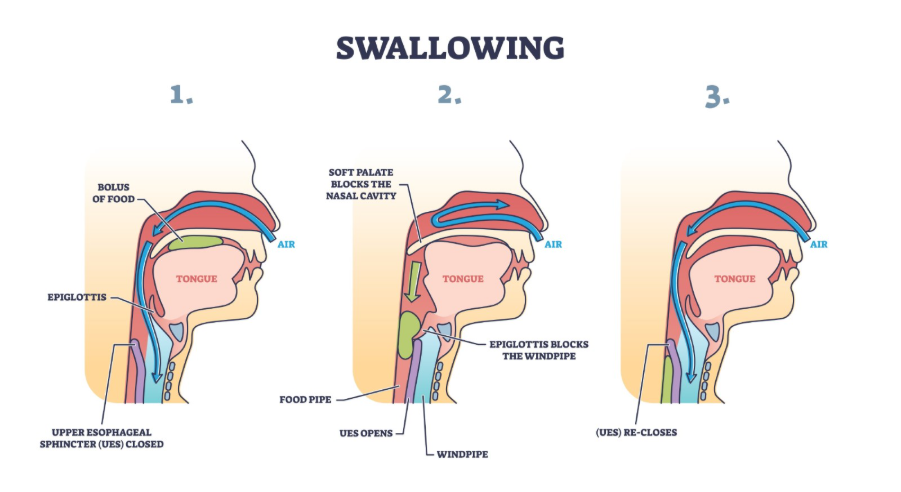
Speech and language therapists along with specialist dietitians work within the multidisciplinary team to ensure that swallowing remains safe and that the body receives the necessary nutrients to maintain health. Muscle weakness can sometimes affect the ability to chew and swallow, a condition known as dysphagia.
Shutterstock
The speech and language therapist assesses these functions and may suggest changes to food textures or specific techniques to prevent choking or lung infections caused by food entering the airway.
Concurrently, the dietitian monitors weight and nutritional intake to ensure the patient has the energy required to manage their daily life and support their overall muscle health. For individuals on certain medications, such as long-term steroids, the dietitian also provides guidance on managing bone health and weight gain. By coordinating these efforts, the team can address the complex relationship between nutrition, muscle strength, and swallowing safety, which is vital for preventing secondary complications like malnutrition or dehydration.
Psychological support and mental health integration
Psychological care is a core component of the multidisciplinary team to help patients and their families manage the emotional and mental health challenges associated with a progressive condition. Dealing with a long-term diagnosis requires significant adjustment, and having access to a psychologist or a counsellor who understands the specific nature of neuromuscular conditions is highly beneficial. This support is not just for the patient but also for family members and carers who may be facing their own emotional stresses and practical burdens.
Integrating mental health support into the clinical pathway ensures that the psychological wellbeing of the individual is treated with the same importance as their physical health. This might involve cognitive behavioural therapy, support groups, or simply a safe space to discuss fears and future planning. By addressing mental health as part of the routine clinic visit, the multidisciplinary team helps to foster resilience and provides the emotional tools needed to maintain a positive outlook and a high quality of life.
Transitioning between paediatric and adult services
The NHS provides a structured pathway for transitioning from paediatric services to adult multidisciplinary teams to ensure that there is no gap in care as a young person matures. This transition period usually begins in the mid-teens and involves joint appointments where both the child and adult specialist teams are present. The goal is to empower the young person to take more responsibility for their own health and to ensure that their adult clinical team is fully informed of their medical history and current needs.
This coordinated transition is a vital part of multidisciplinary care because it maintains the consistency of monitoring and treatment during a time of significant personal change. Adult services continue the same model of holistic support, often adding a greater focus on vocational rehabilitation, independent living, and reproductive health. By ensuring a smooth handover, the health system helps to stabilise the young person’s quality of life and ensures that they continue to receive the specialized care they require throughout their adult years.
Conclusion
Multidisciplinary care is a cornerstone of the UK health system’s approach to managing rare muscle conditions, offering a structured and proactive way to maintain quality of life. By addressing physical, emotional, respiratory, and nutritional needs through a single coordinated team, patients receive safer and more effective support than they would through fragmented services. This collaborative model ensures that care remains responsive to the individual’s changing needs over time, helping to preserve independence and wellbeing. If you experience severe, sudden, or worsening symptoms, call 999 immediately.
What is the main benefit of a multidisciplinary team?
The main benefit is that all your specialists work together, ensuring that your care is coordinated and that everyone is informed of your physical and emotional needs.
How do I access a multidisciplinary team in the UK?
Access is typically gained through a referral from your GP to a specialist regional neuromuscular centre or a hospital-based neurology department.
Who leads the multidisciplinary team for muscle conditions?
The team is usually led by a consultant neurologist or paediatrician, supported by a specialist nurse or care coordinator who manages the different parts of your care.
How often should I have a multidisciplinary review?
Most patients attend a comprehensive clinic review every six to twelve months, though this frequency may increase if your symptoms are changing or you are starting a new treatment.
Can my family members get support from the team?
Yes, multidisciplinary teams recognize the role of the family and can provide genetic counselling, psychological support, and practical advice for carers.
Does this type of care cover school or work adjustments?
The therapists within the team can provide reports and recommendations for your school or workplace to ensure you have the necessary adjustments and equipment.
Authority Snapshot
This article provides an overview of the multidisciplinary care model used for muscle conditions in the UK, strictly aligned with NHS and NICE standards. It has been reviewed by Dr. Stefan Petrov, a UK-trained physician with an MBBS and extensive experience in general medicine, surgery, anaesthesia, and emergency care. Dr. Petrov’s background in both hospital wards and intensive care units ensures that this guide accurately reflects the clinical pathways and professional roles established to provide safe and effective patient-centred care.



