




Weight management is a critical factor in gallbladder health, as both obesity and the methods used to lose weight significantly influence the chemical composition of bile. In the United Kingdom, healthcare professionals frequently discuss the relationship between metabolic changes and the formation of gallstones. While carrying excess weight is a known risk factor for developing stones, the physiological stress caused by rapid weight loss can paradoxically trigger the very condition a patient may be trying to avoid. The gallbladder is a sensitive organ that relies on a precise balance of cholesterol, bile salts, and regular muscular contractions to remain healthy. When weight is lost too quickly, this balance is often disrupted, leading to the crystallisation of bile components. Understanding the biological distinction between gradual and rapid weight loss is essential for anyone embarking on a health journey. By following established clinical frameworks from the NHS and the National Institute for Health and Care Excellence, individuals can adopt weight management strategies that protect the biliary system and support long term digestive wellness without the risk of acute gallbladder complications.
What We’ll Discuss in This Article
- The biological link between cholesterol secretion and weight loss speed
- Why rapid weight loss increases the risk of gallstone formation
- The importance of regular gallbladder contractions during dieting
- Clinical definitions of safe versus unsafe weight loss rates
- How gradual weight loss supports stable bile chemistry
- The role of dietary fibre and fats in protecting the gallbladder
- NHS recommendations for sustainable and safe weight management
Gradual weight loss is significantly more effective at preventing gallstones than rapid weight loss because it avoids the sudden spike in biliary cholesterol that occurs during extreme calorie restriction
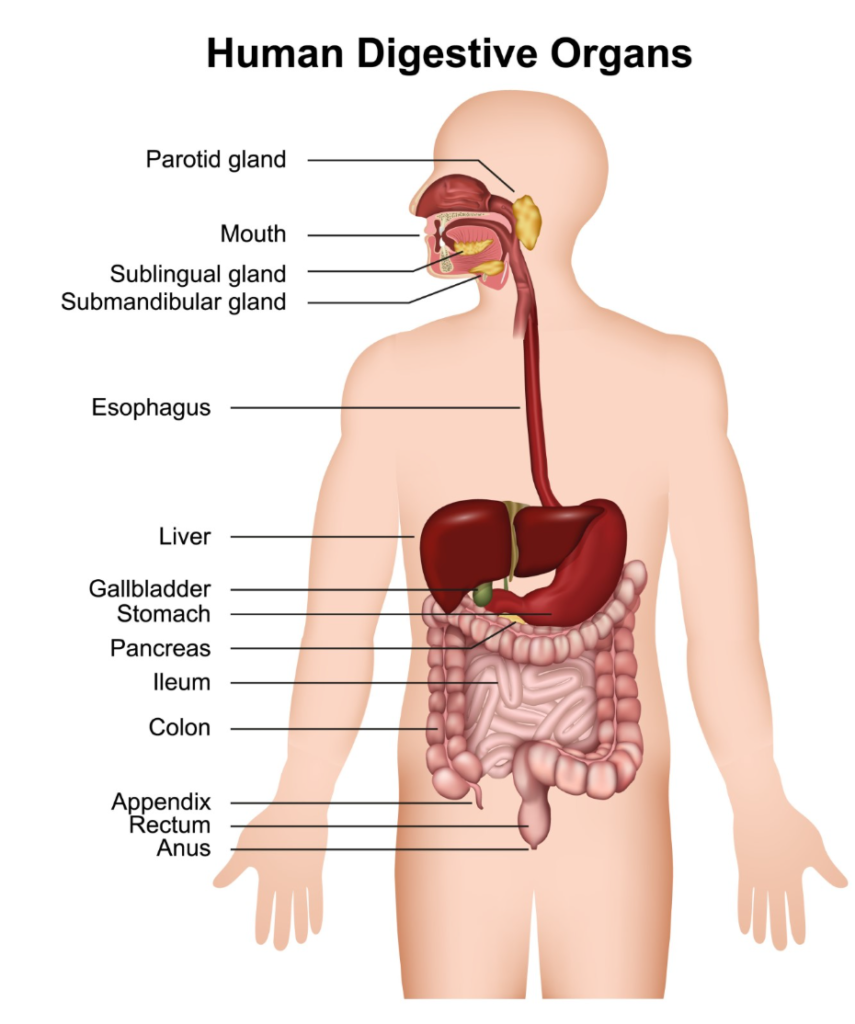
When the body undergoes rapid weight loss, the liver responds by secreting extra cholesterol into the bile, which can lead to the formation of solid crystals. Rapid weight loss can increase your risk of developing gallstones, so it is important to lose weight gradually at a rate of about 1 to 2 pounds a week. Gradual weight reduction allows the liver to adjust its cholesterol output more naturally, maintaining a healthier balance of bile salts. In the United Kingdom, healthcare providers advocate for a steady approach to ensure that the bile remains fluid and less prone to the supersaturation that precedes stone development.
The physiological impact of rapid weight loss
Rapid weight loss, particularly through very low calorie diets or “crash” dieting, alters the way the gallbladder functions on a mechanical level. During periods of extreme calorie restriction, the intake of dietary fat is often so low that the gallbladder is not triggered to contract and empty its contents regularly.
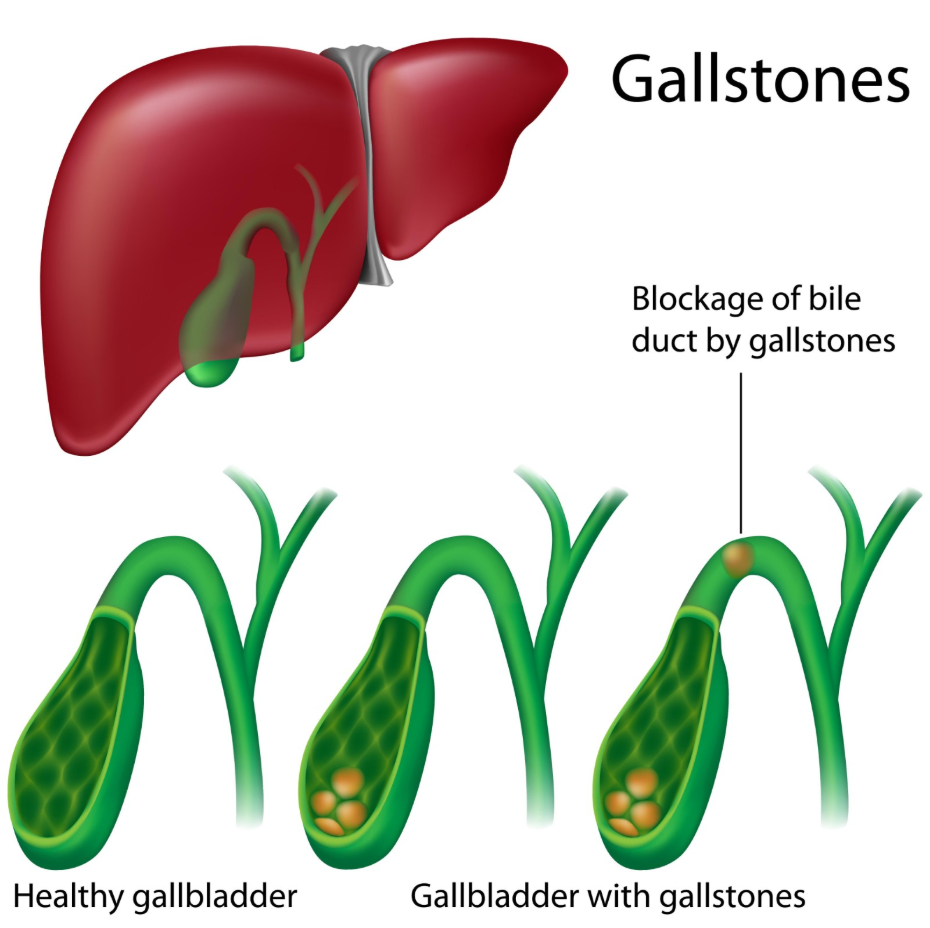
This stagnation, combined with a high concentration of cholesterol, creates the ideal environment for stones or biliary sludge to form. In contrast, a gradual weight loss plan usually includes regular, balanced meals that encourage the gallbladder to squeeze and flush out bile frequently, preventing the stasis that leads to crystallisation.
Comparing bile chemistry in weight loss
| Feature | Gradual Weight Loss (Recommended) | Rapid Weight Loss (High Risk) |
| Cholesterol Secretion | Remains relatively stable | Increases significantly |
| Gallbladder Motility | Regular contractions maintained | Reduced emptying/bile stasis |
| Risk of Stone Formation | Lower risk of new stones | High risk of stones or sludge |
| Bile Salt Balance | Consistently managed by liver | Often disrupted by metabolic shift |
Clinical recommendations for safe weight reduction
The National Institute for Health and Care Excellence provides clear guidance on what constitutes a safe rate of weight loss to minimise health risks, including gallbladder disease. According to the National Institute for Health and Care Excellence, a sustainable rate of weight loss is approximately 0.5 to 1kg per week for most adults. Following this clinical standard ensures that the metabolic transition is manageable for the liver and gallbladder. In the UK, patients are encouraged to focus on long term lifestyle modifications rather than short term, highly restrictive measures. This steady progression not only supports gallbladder health but also increases the likelihood of maintaining the weight loss over time.
The protective role of dietary fibre and healthy fats
Maintaining a high intake of fibre while losing weight is a vital preventative measure used in the UK to protect the biliary system. Fibre helps to bind bile acids in the gut, which can lower the overall concentration of cholesterol in the bile fluid stored by the gallbladder. A healthy, balanced diet is recommended to reduce the risk of gallstones, which includes plenty of fibre and limiting foods high in saturated fat. Additionally, including small amounts of unsaturated fats, such as those found in olive oil or oily fish, ensures the gallbladder continues to contract and empty during the weight loss process. This mechanical activity is a critical part of preventing the formation of “silent” stones that could become problematic later.
Monitoring gallbladder health during weight management
For individuals who are losing weight, it is important to be aware of the signs that the gallbladder may be under stress. Symptoms such as sudden pain in the upper right abdomen, particularly after eating, or persistent nausea should be reviewed by a healthcare professional. While gradual weight loss is the safest path, any significant change in body mass can occasionally influence the biliary system. Regular check-ups with a GP allow for the monitoring of liver function and general digestive health. In the UK, the focus remains on ensuring that weight management is a holistic process that improves overall metabolic health without creating new clinical issues in the digestive tract.
Conclusion
Gradual weight loss of 1 to 2 pounds per week is the safest method for preventing gallstones compared to rapid weight loss. Rapidly losing weight causes the liver to secrete excessive cholesterol and leads to bile stagnation, both of which are primary triggers for stone formation. Following the NHS and NICE frameworks for sustainable weight management protects the gallbladder and ensures long term digestive health. Adopting a high fibre diet with moderate healthy fats further supports the regular function of the biliary system. If you experience severe, sudden, or worsening symptoms, call 999 immediately.
Why does my gallbladder care how fast I lose weight?
The gallbladder is affected by the chemical balance of bile; rapid weight loss causes a surge in cholesterol that the bile cannot always dissolve.
Is it safe to use meal replacement shakes for weight loss?
If used as part of a very low calorie diet, these can increase gallstone risk; they should be discussed with a clinician to ensure they are safe for your gallbladder.
Can I prevent gallstones if I need to lose weight quickly for surgery?
If rapid weight loss is medically necessary, a doctor may sometimes prescribe specific medications to help prevent stones from forming during that period.
Does exercise help prevent stones during weight loss?
Yes, regular physical activity supports healthy metabolism and can help improve gallbladder motility, reducing the risk of bile stagnation.
Should I eat any fat while trying to lose weight?
Yes, a small amount of healthy fat is necessary to trigger the gallbladder to contract and empty, which prevents stones from forming.
Is biliary sludge the same as gallstones?
Sludge is a thickened mixture of bile and crystals; it is often a precursor to stones and is also a risk during rapid weight loss.
Will my gallstones disappear if I reach a healthy weight?
Existing stones do not typically dissolve with weight loss, but reaching a healthy weight gradually reduces the risk of new stones and painful attacks.
Authority Snapshot (E-E-A-T Block)
This article was developed by the Medical Content Team to provide clear education on the link between weight management and gallbladder health. The content has been reviewed by Dr. Rebecca Fernandez, a UK-trained physician with experience in general surgery and internal medicine, to ensure absolute alignment with NHS and NICE clinical guidance. Our purpose is to help the public understand safe preventative health pathways through factual reporting.



