




Gum disease is one of the most significant and frequent causes of chronic halitosis, a condition characterised by persistent unpleasant breath that does not resolve with standard hygiene measures. While temporary bad breath is often linked to diet or lifestyle, the odour associated with gum disease is a result of a biological process occurring deep within the supporting structures of the teeth. Understanding how the health of your gums directly impacts the freshness of your breath is essential for identifying the early warning signs of infection and seeking appropriate clinical care.
What We’ll Discuss in This Article
- The biological connection between plaque, tartar, and oral odours
- How gingivitis and periodontitis facilitate bacterial growth
- The role of periodontal pockets as reservoirs for odorous gases
- Why brushing alone cannot resolve halitosis caused by gum disease
- Practical steps for identifying gum-related breath issues
- NHS-aligned management and professional treatment options
- Long-term prevention strategies for gum and breath health
The Biological Link Between Gums and Breath
Getty Images
The primary cause of both gum disease and halitosis is the accumulation of dental plaque, a sticky film of bacteria that constantly forms on the teeth. If plaque is not removed through daily cleaning, it hardens into tartar or calculus, which can only be removed by a dental professional. The bacteria within plaque and tartar are living organisms that metabolise proteins found in the mouth. As a byproduct of this metabolism, they release volatile sulphur compounds (VSCs). These gases, such as hydrogen sulphide, have a distinct and offensive odour that is the hallmark of chronic bad breath. The NHS states that persistent bad breath is often a sign of gum disease and should be evaluated by a dental professional.
From Gingivitis to Chronic Halitosis
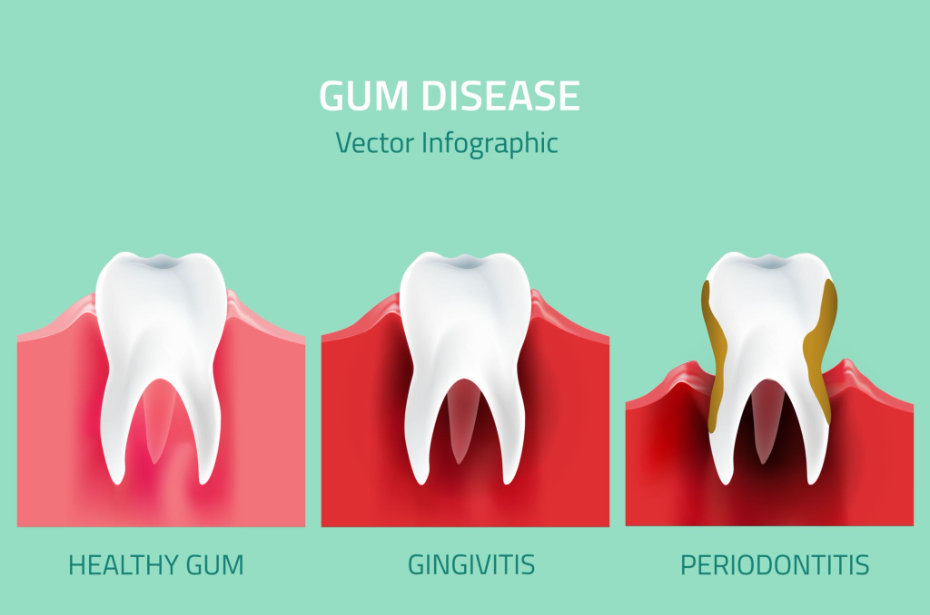
Gingivitis is the earliest stage of gum disease, characterised by redness, swelling, and bleeding during brushing. At this stage, the bacteria are concentrated along the gum line. If left untreated, gingivitis can progress to periodontitis, where the inflammation becomes chronic. As the body’s immune system reacts to the infection, the gums begin to pull away from the teeth. This process creates small gaps or “pockets” that provide a perfect, oxygen-free environment for anaerobic bacteria to multiply. These specific bacteria are highly efficient at producing the volatile sulphur compounds that lead to persistent and strong halitosis.
Periodontal Pockets as Odour Reservoirs
Periodontal pockets are perhaps the most significant factor in gum-related halitosis. Because these pockets can be several millimetres deep, they are impossible to clean with a standard toothbrush or even traditional flossing. They act as “reservoirs” where food particles, dead skin cells, and bacteria collect undisturbed. Because these areas lack oxygen, they favour the growth of the most aggressive odour-producing microbes. The gases produced in these deep pockets are released slowly over time, ensuring that the breath remains unpleasant even shortly after an individual has brushed their teeth.
Why Brushing Alone is Insufficient
A common frustration for those with gum-related halitosis is that the odour persists despite regular brushing. While brushing cleans the visible surfaces of the teeth, it cannot reach the bacteria living under the gum line or inside periodontal pockets. Furthermore, the hardened tartar that anchors these bacterial colonies is physically bonded to the tooth surface and resistant to domestic cleaning. To resolve halitosis caused by gum disease, the physical source of the infection the plaque and tartar within the pockets must be removed through professional clinical intervention.
Identifying Gum-Related Halitosis
Recognising that bad breath is linked to gum health often involves looking for secondary symptoms. If your breath odour is accompanied by gums that bleed when you brush, a metallic taste in the mouth, or a visible receding of the gum line, it is highly likely that the two are connected. In advanced cases, teeth may feel loose or shift position, and the odour may become more intense. Unlike “morning breath” or food-related odours, gum-related halitosis is consistent throughout the day and is typically described as having a “rotten” or “sulphurous” quality.
Professional Treatment and Management
Addressing halitosis caused by gum disease requires a structured clinical approach. A dentist or dental hygienist will typically perform a “scale and polish” to remove tartar from the visible surfaces. For deeper infections, a procedure known as “root surface debridement” or deep cleaning may be necessary. This involves cleaning the surfaces of the roots under the gum line to remove the bacterial reservoirs and allow the gums to heal and reattach to the teeth. NICE clinical summaries provide guidance for healthcare professionals on the effective management of periodontitis to improve both oral health and systemic well-being.
Practical Home Care for Gum Health
Once a professional has cleaned the teeth and gums, maintaining those results at home is vital for preventing the return of halitosis. This involves a daily routine that includes brushing twice a day with a fluoride toothpaste and, crucially, using interdental brushes or floss to clean between the teeth. Interdental cleaning is the only way to disrupt the bacterial colonies in the areas where gum disease typically starts. Staying hydrated and avoiding tobacco are also essential, as smoking is a major risk factor that masks the early signs of gum disease while significantly worsening oral dryness and odour.
The Importance of Regular Monitoring
Gum disease is often a chronic condition that requires ongoing monitoring. Even after successful treatment, the pockets around the teeth can remain vulnerable to re-infection if hygiene standards slip. Regular dental check-ups allow for the early detection of “relapses” and the professional removal of any new tartar buildup before it can trigger another episode of chronic halitosis. The NHS recommends regular dental examinations as a primary preventative measure for both tooth decay and the management of gum health.
Long-Term Benefits of Addressing Gum Health
Resolving gum disease does more than just freshen the breath; it protects the long-term stability of the teeth and supports overall systemic health. Research has shown that chronic gum inflammation is linked to other health concerns, including cardiovascular issues and diabetes. By addressing the root cause of halitosis through gum care, individuals can improve their social confidence while making a significant investment in their general physical well-being. A healthy, moist mouth with firm, pink gums is the best foundation for a lifetime of fresh breath.
Conclusion
Gum disease is a primary driver of chronic halitosis because it creates protected environments for odour-producing bacteria to thrive. The deep pockets associated with periodontitis trap proteins and microbes that release unpleasant sulphur gases, a process that cannot be reversed by simple brushing alone. Professional cleaning and meticulous interdental hygiene are the only effective ways to address this cause of bad breath. If you experience severe, sudden, or worsening symptoms, call 999 immediately.
Can I have gum disease if my gums don’t bleed?
Yes, smokers may have advanced gum disease without bleeding because nicotine constricts blood vessels, masking the typical signs of inflammation.
How quickly does breathe improve after a professional deep cleaning?
Many people notice a significant reduction in mouth odour within a few days of a professional cleaning as the bacterial load is reduced and inflammation begins to subside.
Is bad breath from gum disease contagious?
The bacteria that cause gum disease can be transferred through saliva, but whether the recipient develops the condition depends on their own hygiene and immune response.
Does mouthwash help treat gum-related halitosis?
Mouthwash can provide temporary relief by masking the smell, but it cannot penetrate deep pockets or remove the tartar that is the source of the odour.
Why does my breath smell metallic when my gums bleed?
The metallic taste and smell are often caused by the breakdown of blood components by oral bacteria, which is a common sign of active gum inflammation.
Can children get gum-related halitosis?
While periodontitis is more common in adults, children can develop gingivitis due to poor hygiene, which can lead to noticeable breath changes.
Will my gums grow back once the halitosis is treated?
While treatment can stop the progression of gum disease and freshen your breath, gums that have significantly receded usually do not grow back on their own.
Authority Snapshot (E-E-A-T)
This article provides clinically accurate information on the relationship between periodontal health and halitosis, strictly aligned with UK NHS and NICE healthcare standards. The content is designed to educate the public on the importance of evidence-based oral hygiene. It has been reviewed by Dr. Stefan Petrov, a UK-trained physician with experience in general medicine, emergency care, and patient-focused health education.



