




Hepatitis B is easily transmitted through sexual contact because the virus is present in high concentrations in the semen and vaginal fluids of an infected person. It is considered a highly infectious blood-borne virus that can enter the body through microscopic tears in the mucosal linings during vaginal, anal, or oral sex. While the virus also replicates in the liver and circulates in the blood, its presence in genital secretions makes sexual activity one of the primary routes of transmission for adults in the United Kingdom. Because many individuals with chronic hepatitis B may not show obvious symptoms, the risk of unintentional transmission is a significant public health focus. Modern clinical management in the UK prioritises vaccination for those at increased risk and regular screening within sexual health services to identify infections early and prevent long-term liver complications.
What We’ll Discuss in This Article
- The biological mechanism of sexual transmission via body fluids
- Relative risks associated with different types of sexual activity
- The impact of viral load on the likelihood of transmission
- The role of asymptomatic carriers in spreading the infection
- UK clinical standards for sexual health screening and testing
- Prevention strategies including vaccination and barrier methods
The Mechanism of Sexual Transmission
Hepatitis B is transmitted through sexual contact when infectious bodily fluids, such as semen, vaginal discharge, or blood, come into contact with the mucous membranes or broken skin of an uninfected partner. The virus is significantly more infectious than other blood-borne pathogens like HIV, meaning that a smaller volume of fluid is required to establish an infection.
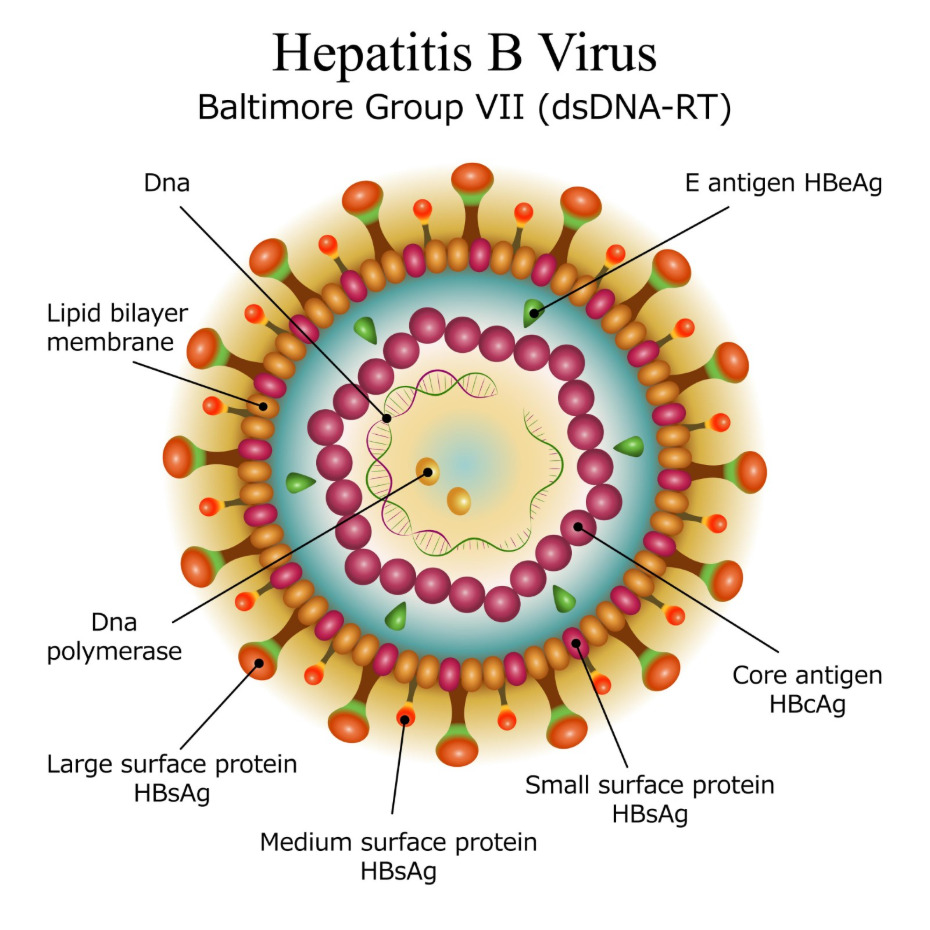
Hepatitis B is a liver infection caused by a virus that is spread through blood and body fluids, including those exchanged during sexual activity. Once the virus crosses the mucosal barrier, it enters the bloodstream and travels directly to the liver. There, it invades the liver cells and begins to replicate. The immune system’s subsequent reaction to these infected cells causes the inflammation characteristic of the disease. In the UK, sexual health clinicians emphasise that because the virus is so resilient, it can survive in these fluids even when they are not visibly present or when the infected individual feels perfectly healthy.
Risks Associated with Different Sexual Activities
The level of risk for contracting hepatitis B varies depending on the type of sexual activity and the presence of factors that increase mucosal vulnerability, such as the existence of other sexually transmitted infections. Anal and vaginal intercourse carry the highest risks due to the likelihood of microscopic tissue trauma and the high volume of fluid exchange.
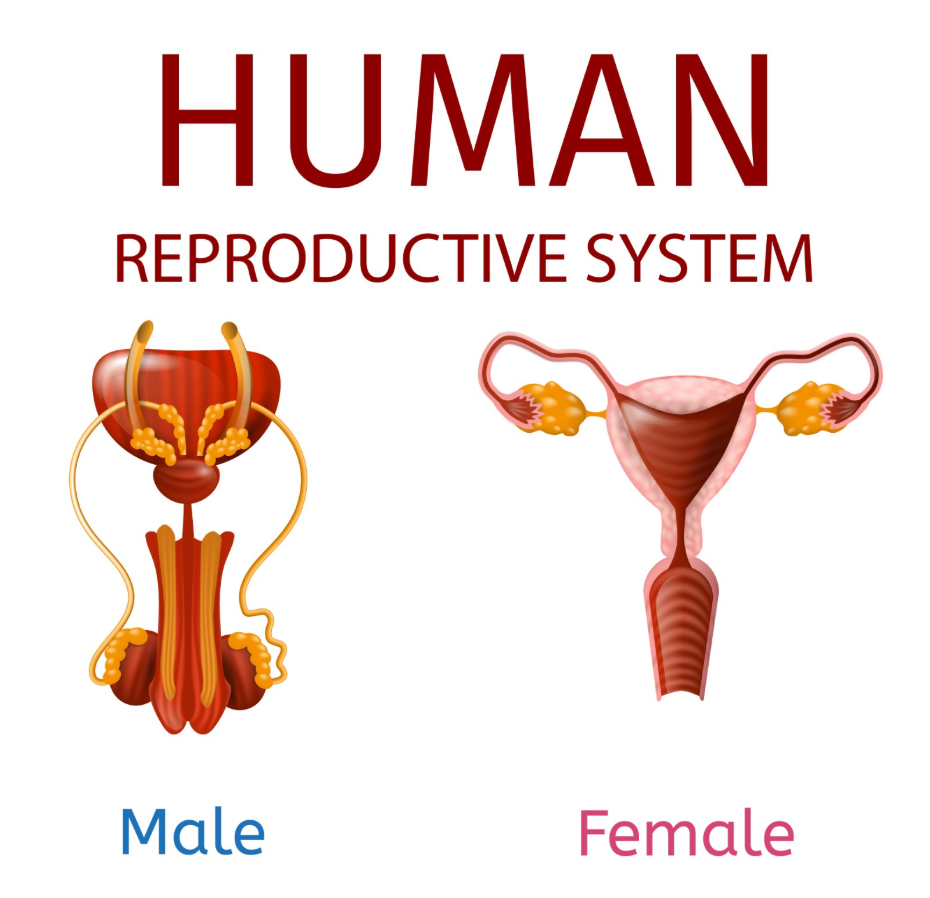
Oral sex carries a lower, yet documented, risk of transmission, particularly if there are sores, bleeding gums, or ulcers in the mouth or on the genitals. Hepatitis is the term used to describe inflammation of the liver, and it can be caught through unprotected sex with an infected person. The presence of concurrent infections like syphilis or herpes can further increase the risk, as these conditions often cause breaks in the skin or mucosal surfaces that provide an easy entry point for the virus. UK clinical pathways often involve a full screening for anyone potentially exposed to hepatitis B to address these compounding risk factors.
The Role of Viral Load and Asymptomatic Carriers
The likelihood of transmitting hepatitis B during a sexual encounter is closely linked to the viral load, which is the amount of virus present in the infected person’s blood and bodily fluids. Individuals in the acute phase of the infection or those with highly active chronic hepatitis B typically have very high viral loads, making them significantly more infectious to their partners.
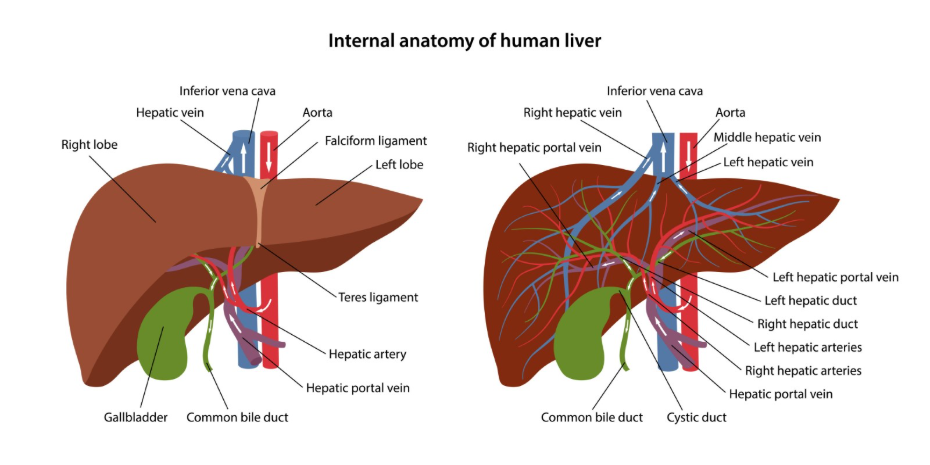
Many people with chronic hepatitis B are asymptomatic, meaning they have no physical signs of illness and may be unaware of their status. These silent carriers can continue to transmit the virus through sexual contact for many years. This is why the UK health system focuses on universal screening for at-risk groups and encourages regular testing for individuals with new or multiple sexual partners. If a person is diagnosed and starts antiviral treatment, the medication can often suppress the virus to undetectable levels, which substantially reduces, though does not entirely eliminate, the risk of sexual transmission.
Comparing Transmission Routes
While sexual contact is a major route of transmission in adults, it is important to place this risk within the context of other transmission pathways to understand how the virus behaves. Hepatitis B is strictly a blood and body fluid infection and it is not spread through casual social contact.
| Transmission Route | High Risk Factors | Prevention Method |
| Sexual Contact | Unprotected sex, multiple partners | Vaccination and condoms |
| Blood Exposure | Shared needles, unsterile tattoos | Single-use equipment |
| Mother to Baby | Childbirth (vertical transmission) | Neonatal vaccination |
| Household | Sharing razors or toothbrushes | Individual personal items |
In the United Kingdom, mother-to-baby transmission is managed through universal screening in pregnancy. Sexual transmission, however, remains a dynamic risk that requires individual proactivity regarding vaccination and barrier protection. Unlike hepatitis A, which is spread through contaminated food, hepatitis B requires the direct exchange of internal fluids, making intimate contact a high-probability event for transmission in unvaccinated populations.
UK Clinical Standards for Screening and Testing
UK sexual health services provide confidential testing for hepatitis B for anyone concerned about potential exposure through sexual contact. The diagnostic process involves blood tests that look for specific viral markers, such as the hepatitis B surface antigen, which indicates an active infection. The National Institute for Health and Care Excellence provides guidelines on the testing and vaccination of at-risk groups to prevent the spread of hepatitis B.
If a person believes they have been exposed within the last few days, they may be offered post-exposure prophylaxis. This involves receiving a dose of the hepatitis B vaccine and, in some cases, hepatitis B immunoglobulin, which provides immediate, temporary antibodies to fight the virus before it can establish itself in the liver. For those already in a long-term relationship with an infected partner, regular screening and confirmed vaccination status for the uninfected partner are the standard clinical recommendations to ensure safety within the household.
Prevention Strategies and Vaccination
The most effective way to prevent the sexual transmission of hepatitis B is through vaccination, which provides long-term, highly effective protection against the virus. In the United Kingdom, the hepatitis B vaccine is part of the routine childhood immunisation schedule, but it is also available for adults who are at increased risk through sexual activity or their occupation.
The use of barrier methods, such as male or female condoms, also provides significant protection against the exchange of infectious fluids during sex. However, because the virus can be found in other secretions, vaccination remains the primary defence. For individuals whose partners have chronic hepatitis B, the NHS provides a household contact vaccination pathway. By ensuring that the uninfected partner is fully vaccinated and has a confirmed immune response measured by a blood test for antibodies, the risk of transmission during sexual activity is reduced to a negligible level.
Conclusion
Hepatitis B can be transmitted through sexual contact via the exchange of semen, vaginal fluids, and blood. It is highly infectious and can be spread even by those who show no symptoms of liver disease. In the UK, the primary methods of prevention are vaccination, the use of condoms, and regular screening at sexual health clinics. Identifying the infection early allows for clinical management that protects both the individual’s liver health and their sexual partners. If you experience severe, sudden, or worsening symptoms, call 999 immediately.
Can hepatitis B be spread through kissing?
The risk of transmission through deep kissing is considered extremely low, as the virus is not typically present in high enough concentrations in saliva unless there is also blood present from gums or sores.
How long after sex can I be tested for hepatitis B?
The virus can take several weeks to appear in the blood; while a test can be done sooner, a conclusive result is typically achieved 12 weeks after the potential exposure.
Does a condom provide 100% protection against hepatitis B?
While condoms are highly effective at preventing the exchange of fluids, they do not provide absolute protection if there is contact with other infected fluids or skin lesions not covered by the condom.
Can I get the hepatitis B vaccine at my local sexual health clinic?
Yes, most sexual health clinics in the UK offer the hepatitis B vaccine to individuals who are at an increased risk through their sexual activity.
If my partner is on treatment, can we have unprotected sex?
Treatment reduces the viral load and the risk of transmission, but it does not eliminate it; vaccination for the uninfected partner is still the recommended clinical safeguard.
Is hepatitis B considered an STI?
Yes, because it is frequently spread through sexual contact, it is classified as a sexually transmitted infection as well as a blood-borne virus.
Can I get hepatitis B from oral sex?
Yes, transmission is possible through oral sex if there is an exchange of infectious fluids and an entry point, such as a mouth ulcer or bleeding gums.
Authority Snapshot (E-E-A-T)
This medical education content provides accurate, evidence-based information regarding the sexual transmission of hepatitis B for the UK public. The material has been developed by a professional medical writing team and reviewed by Dr. Rebecca Fernandez, a UK-trained physician with extensive experience in internal medicine, emergency care, and general surgery. All clinical information provided aligns with the standards and diagnostic pathways established by the NHS and the National Institute for Health and Care Excellence (NICE).



