




Infections are a direct primary trigger for acute diverticulitis but do not typically cause colon polyps to become inflamed, as these two conditions arise from different biological mechanisms in the bowel. Diverticulitis is defined by the infection or inflammation of small, bulging pouches called diverticula that develop in the colon wall, occurring when bacteria multiply within a trapped pocket. Conversely, polyps are clumps of cells that grow on the inner lining of the large intestine and are generally non-inflammatory, although they are monitored for their potential to undergo cellular changes over several years. In the United Kingdom, healthcare professionals manage diverticulitis as an acute inflammatory crisis requiring targeted treatment, while polyps are managed through preventative screening and removal. Understanding how bacteria and inflammation impact these structural changes is essential for identifying the appropriate clinical response to bowel symptoms. While a systemic infection might cause general gastrointestinal irritation, the physiological progression of diverticulitis remains the most significant infection-related risk to the colon wall. By distinguishing between an infectious flare-up and a cellular overgrowth, the UK healthcare system ensures that patients receive the correct balance of acute and preventative care.
What We’ll Discuss in This Article
- The biological mechanism of bacterial infection in diverticulitis flare-ups.
- Why colon polyps are typically non-inflammatory and silent.
- The role of the gut microbiome in maintaining bowel wall health.
- Differentiating between general bowel infections and acute diverticulitis.
- Potential complications of untreated infections in the diverticula.
- UK clinical protocols for managing inflammation and infection in the colon.
How Infections Trigger Acute Diverticulitis
Infections trigger acute diverticulitis when bacteria naturally present in the gut become trapped inside a diverticulum, leading to rapid multiplication and tissue inflammation. Diverticula are small pockets that form in weakened areas of the colon wall, a condition known as diverticulosis. The NHS states that diverticulitis happens when the small pouches in the lining of the large intestine become inflamed or infected.
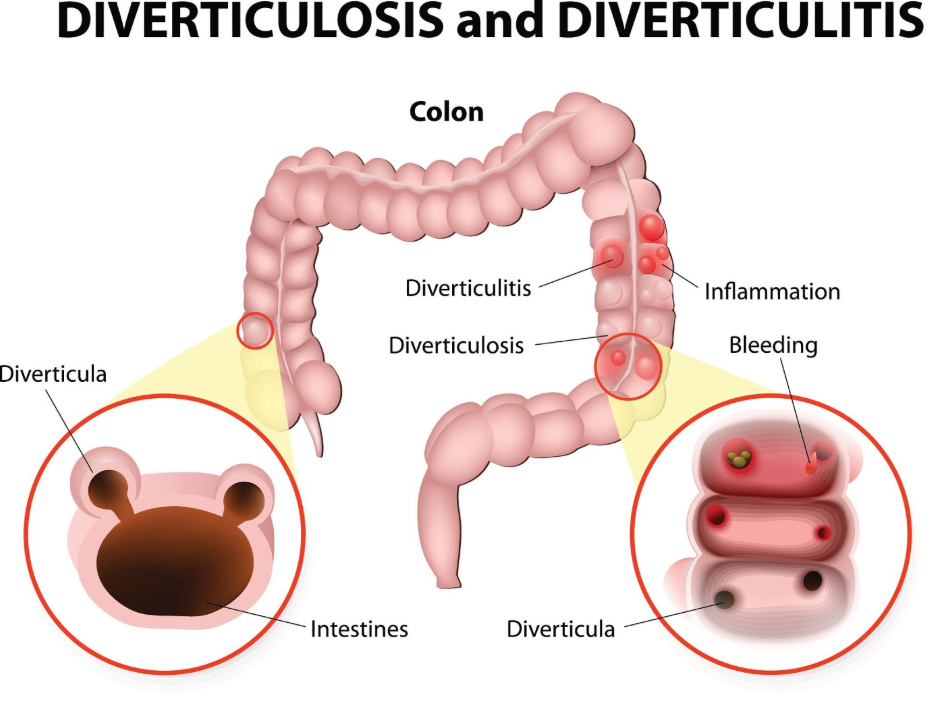
This process often begins when a small piece of waste or undigested food blocks the opening of a pouch, creating a stagnant environment. Without the normal flow of waste, bacteria multiply, causing the pouch to swell and redden. This localised infection results in the sharp abdominal pain and fever characteristic of a flare-up. In some cases, the infection can cause a tiny tear in the pouch wall (micro-perforation), allowing the inflammation to spread to the surrounding bowel tissue. In the United Kingdom, clinicians prioritise the use of antibiotics or bowel rest to resolve these infections before they can lead to more serious systemic issues.
The Relationship Between Polyps and Inflammation
Colon polyps are generally not triggered by infection and do not typically become inflamed, as they are products of abnormal cell growth rather than an infectious process. A polyp is a cluster of surplus cells on the mucosa, the inner lining of the bowel, which forms when the regulated cycle of cell renewal is disrupted. The NHS explains that bowel polyps are very common and usually do not cause any symptoms.
Unlike diverticulitis, which involves a rapid immune response to bacteria, polyps grow slowly over many years and are usually “silent” and painless. While a systemic infection like gastroenteritis may cause temporary irritation of the entire bowel lining, it does not specifically target polyps or cause them to become infected. If a polyp were to bleed or show signs of surface irritation, it is usually due to mechanical friction from waste or the biological nature of the growth itself, rather than a primary infection. UK clinical guidelines focus on removing polyps to prevent future cellular changes, rather than treating them for inflammatory issues.
Impact of General Bowel Infections on Pre-existing Conditions
General gastrointestinal infections, such as those caused by food poisoning, can exacerbate the symptoms of diverticular disease but are distinct from the specific localised infection seen in diverticulitis. When the bowel is affected by a virus or harmful bacteria, the resulting increase in muscular contractions (peristalsis) and fluid secretion can put additional pressure on pre-existing diverticula.
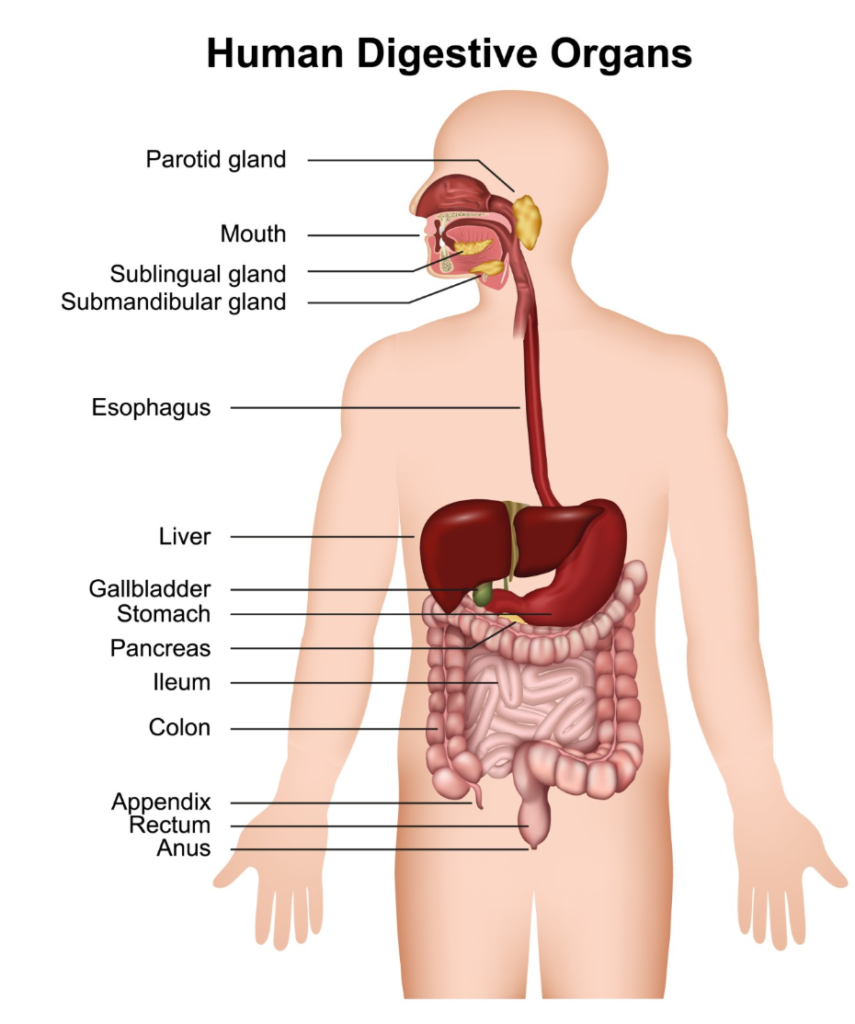
This general irritation can sometimes mask the early signs of a diverticulitis flare-up, as both can cause abdominal cramping and changes in bowel habits. However, a true diverticulitis episode is typically more localised, often focusing on the lower left side of the abdomen. In the UK, if a patient with known diverticula develops a bowel infection, healthcare providers monitor them closely to ensure the general inflammation does not lead to a specific blockage of a pouch. Maintaining a healthy gut microbiome through diet and hydration is considered a supportive measure to reduce the likelihood of harmful bacteria overwhelming the colon’s natural defences.
Comparison of Infectious and Non-Infectious Bowel Findings
Understanding the difference between an infectious condition like diverticulitis and a non-infectious condition like polyps helps in determining the urgency of medical care.
| Feature | Diverticulitis | Colon Polyps |
| Primary Trigger | Bacterial overgrowth in a pouch. | Genetic or cellular mutations. |
| Inflammatory Status | Highly inflamed during a flare-up. | Generally non-inflammatory. |
| Response to Antibiotics | Often required to resolve infection. | No effect on the growth. |
| Common Symptoms | Sharp pain, fever, and nausea. | Usually none (found by screening). |
| Long-term Risk | Abscess, perforation, or scarring. | Progression to malignancy. |
This table highlights that while infection is the central problem in diverticulitis, it is irrelevant to the management of polyps. In the United Kingdom, clinicians use this distinction to guide diagnostic tests; a CT scan is often used to see the inflammation of diverticulitis, whereas a colonoscopy is the gold standard for identifying and removing polyps.
Potential Complications of Untreated Biliary and Bowel Infections
If an infection in a diverticulum is left untreated, it can lead to serious complications such as an abscess or peritonitis, which require urgent hospital intervention. An abscess is a collection of pus that forms near the site of the infected pouch; if it ruptures, the infection can spread throughout the abdominal cavity. NICE clinical guidelines for diverticular disease management highlight that severe pain, vomiting, and a rigid abdomen are red-flag signs of complicated diverticulitis.
While jaundice is a separate sign related to the liver and bile ducts, systemic infections from the bowel can sometimes affect the body’s overall metabolic stability. In the UK, uncomplicated diverticulitis is often managed conservatively with rest and fluids, but clinicians remain vigilant for signs that the infection is spreading. Ensuring that a flare-up is caught early prevents the need for more invasive treatments like emergency surgery. Proactive management of bowel health, including high fibre intake once the infection has cleared, helps prevent the stagnant waste conditions that allow these infections to take hold.
UK Clinical Protocols for Managing Bowel Inflammation
Management of colon health in the United Kingdom involves a staged approach that prioritises resolving acute inflammation before performing preventative checks for other conditions like polyps. During a diverticulitis flare-up, the colon is often too sensitive and swollen for a colonoscopy. Standard UK practice is to treat the infection first, often using a “bowel rest” period involving clear fluids.
Once the infection has completely subsided usually after six to eight weeks a follow-up investigation such as a colonoscopy or CT colonography may be performed. This ensures that the clinician can clearly see the bowel lining to check for polyps or other issues that might have been hidden by the previous swelling. This integrated care pathway ensures that the patient’s immediate safety is addressed while maintaining long-term preventative screening. By following this protocol, UK healthcare providers can manage both the infectious risks of diverticulitis and the cellular risks associated with polyps effectively.
Conclusion
Infections are a primary trigger for diverticulitis flare-ups, but they do not cause colon polyps to become inflamed or infected. While diverticulitis is an acute condition requiring medical attention to resolve bacterial overgrowth, polyps are slow-growing tissue clusters managed through preventative screening. In the UK, a structured approach is used to treat inflammation safely before investigating for other structural bowel changes. Maintaining a healthy lifestyle and participating in regular screening are the best ways to manage both conditions. If you experience severe, sudden, or worsening symptoms, call 999 immediately.
Can antibiotics shrink my colon polyps?
No, antibiotics only treat infections; they have no effect on the cellular overgrowth that forms a polyp.
Does having an upset stomach cause diverticulitis?
Gastroenteritis can irritate the bowel, but diverticulitis specifically requires bacteria to be trapped inside a diverticular pouch.
Why do I need to wait for a colonoscopy after my infection clears?
Performing a colonoscopy while the bowel is inflamed increases the risk of a tear; it is safer to wait until the swelling has gone down.
Can a healthy diet prevent these infections?
A high-fibre diet helps keep waste moving, which prevents the stagnant conditions that allow bacteria to grow in diverticular pouches.
Will my polyps hurt if I have a bowel infection?
Generally no; polyps do not have nerves that feel pain, so even if the rest of your bowel is irritated, the polyps themselves will not hurt.
Is diverticulitis contagious like a stomach bug?
No, diverticulitis is caused by your own gut bacteria getting trapped in a pouch; it cannot be passed from person to person.
What is the first sign of an infection in my diverticula?
The most common signs are persistent pain in the lower left side of the abdomen along with a fever or feeling generally unwell.
Authority Snapshot (E-E-A-T)
This article provides medically factual health education regarding the relationship between infections, diverticulitis, and polyps, strictly aligned with NHS and NICE clinical guidelines. The content is developed by a professional medical writing team and reviewed by Dr. Rebecca Fernandez, a UK-trained physician with extensive experience in internal medicine, general surgery, and emergency care. All information follows current UK public health protocols to ensure clinical accuracy and patient safety.



