Yes, nutritional deficiencies are a major and treatable cause of peripheral neuropathy. The nervous system requires a precise balance of vitamins and minerals to maintain the myelin sheath, which is the protective insulation around nerve fibres, and to ensure proper electrical signalling. In the United Kingdom, deficiencies in Vitamin B12, Vitamin B6, and Magnesium are frequently identified during clinical screenings for nerve pain and numbness.
When the body lacks these essential nutrients, the nerves become vulnerable to oxidative stress and structural breakdown. This often results in a symmetrical sensation of tingling or weakness that typically begins in the furthest extremities, such as the toes and fingertips. This article explores how specific deficiencies contribute to nerve damage and the clinical markers used by UK physicians to identify these causes.
What We Will Discuss In This Article
- Vitamin B12: The cornerstone of nerve insulation and repair
- Vitamin B6: The balance between necessity and toxicity
- Magnesium: Its role in nerve excitability and pain signalling
- Other Nutrients: Vitamin E, Copper, and Thiamine
- Diagnostic Testing: How the NHS screens for nutritional neuropathy
- Emergency guidance for rapid neurological decline
Vitamin B12 and Nerve Health
Vitamin B12 is perhaps the most critical nutrient for neurological function. It is essential for the production of myelin. Without sufficient B12, the myelin sheath thins, leading to short circuits in nerve transmission.
- Clinical Presentation: B12 deficiency neuropathy often presents as Subacute Combined Degeneration of the spinal cord, causing significant balance issues, numbness, and a pins and needles sensation.
- UK Risk Factors: This is particularly common in the UK among vegans, the elderly, and those with pernicious anaemia or gastrointestinal conditions like Crohn disease that prevent absorption.
The Complex Role of Vitamin B6
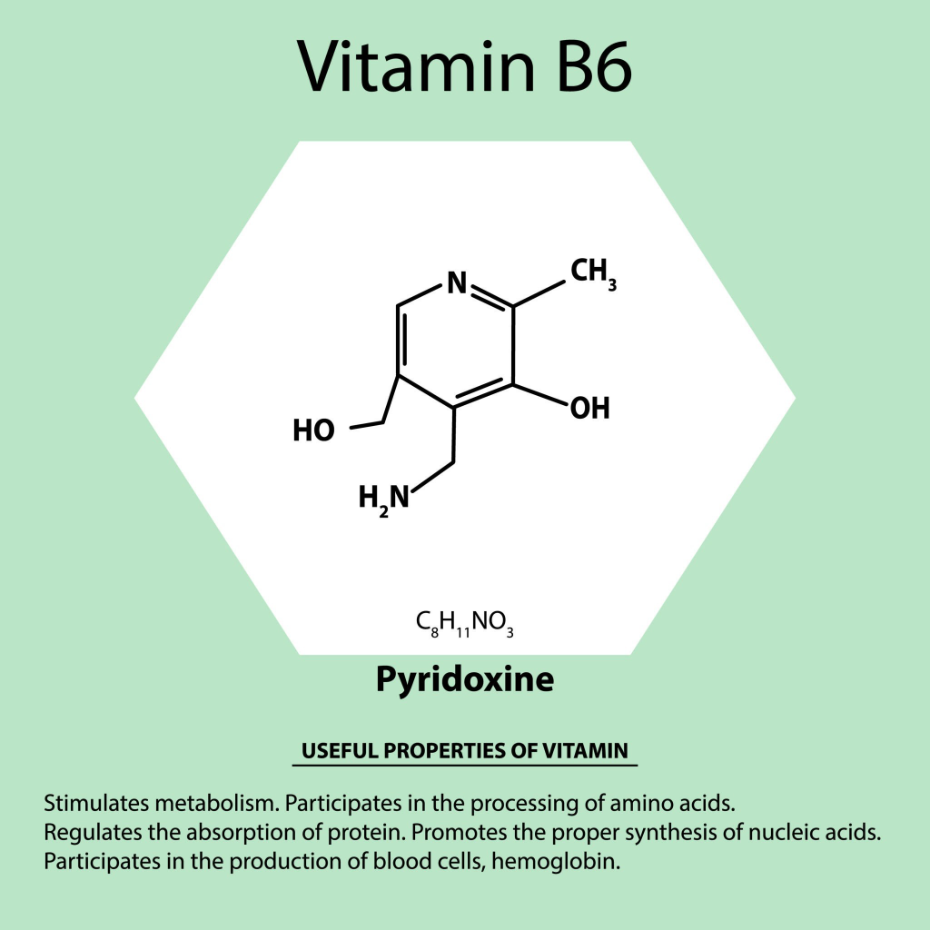
Vitamin B6 is unique because both a deficiency and an excess can cause neuropathy. It is involved in the synthesis of neurotransmitters that allow nerves to communicate.
- Deficiency: Rare in the general UK population but seen in cases of chronic alcoholism or as a side effect of certain medications, leading to sensory loss.
- Toxicity: Taking high dose B6 supplements over a long period can actually poison the sensory nerves, causing a distinct type of neuropathy characterized by a loss of coordination and balance.
Magnesium and Nerve Signalling
Magnesium acts as a gatekeeper for NMDA receptors, which are involved in pain transmission and nerve excitability. It helps regulate the flow of calcium into nerve cells.
- Nerve Irritability: A deficiency in magnesium can make nerves hyper excitable, leading to muscle cramps, twitches, and intensified neuropathic pain.
- Therapeutic Potential: While magnesium deficiency is rarely the sole cause of structural nerve death, restoring magnesium levels is often a key part of managing the overactive pain signals associated with established neuropathy.
Other Essential Nutrients for Nerves
Beyond B12 and Magnesium, several other nutrients play a supporting role in nerve integrity:
- Vitamin E: A powerful antioxidant that protects nerve membranes from damage. Severe deficiency can lead to a loss of reflexes and coordination.
- Copper: Essential for the enzymes that maintain the nervous system. A deficiency, sometimes caused by excessive zinc intake, can mimic B12 deficiency symptoms.
- Thiamine: Critical for energy metabolism in nerves. Severe lack of Thiamine is common in chronic alcohol use and can lead to Beriberi, a condition involving profound nerve weakness and heart issues.
Diagnosis and Clinical Management
If a nutritional cause is suspected, a clinician like Dr. Rebecca Fernandez will order a specific blood panel:
- Serum B12 and Holotranscobalamin: To check active B12 levels.
- Methylmalonic Acid: A more sensitive marker that rises when B12 is low at a cellular level.
- Red Cell Magnesium: A more accurate reflection of long term magnesium status than a standard serum test.
- Copper and Vitamin E levels: If the initial B12 tests are normal but symptoms persist.
In the UK, management typically involves high dose supplementation, often via intramuscular injections for B12, to bypass absorption issues in the gut.
Emergency Guidance
Nutritional neuropathies can sometimes progress to permanent disability if not treated rapidly. Seek emergency care immediately if you experience:
- Sudden and severe difficulty walking or a loss of balance that causes falls
- Rapidly spreading weakness that moves from the feet up to the legs
- New and total loss of bladder or bowel control
- Profound confusion, memory loss, or visual changes alongside nerve pain
- Signs of a silent heart attack such as sudden nausea and profound weakness
In these situations, call 999 or attend your nearest Accident and Emergency department immediately.
To Summarise
Magnesium and Vitamin B deficiencies are significant indicators of potential neuropathy causes. While B12 is the most common culprit in the UK, a broader view of nutritional health including B6, Thiamine, and magnesium is essential for a full diagnosis. Unlike many other forms of nerve damage, nutritional neuropathy is often reversible if caught early. By identifying these gaps through blood testing and addressing them with targeted supplementation, many patients can stop the progression of nerve damage and significantly improve their symptoms.
Can I just take a multivitamin to fix this?
Standard multivitamins often do not contain high enough doses to correct a clinical deficiency. If your nerves are already damaged, you likely need therapeutic doses prescribed by a doctor.
Why did my B12 test come back normal even though I have symptoms?
The standard B12 blood test can sometimes be misleading. Your levels might be in the low normal range, which is still too low for some people nervous systems to function correctly. A doctor may need to check Methylmalonic Acid levels for a clearer picture.
Can too much Vitamin B6 really be dangerous?
Yes. Consuming more than 50mg to 100mg of B6 daily for extended periods can be neurotoxic. Always check the dosage in your supplements, especially if you are taking multiple products.
Is magnesium deficiency common?
Magnesium deficiency is relatively common due to modern dietary habits and certain medications like proton pump inhibitors. While it might not cause neuropathy on its own, it can significantly worsen neuropathic pain.
Authority Snapshot
This article was reviewed by Dr. Rebecca Fernandez, a UK trained physician with an MBBS and extensive experience in internal medicine, cardiology, and emergency care. Dr. Fernandez has managed critically ill patients and stabilized acute trauma cases, providing her with a deep clinical understanding of the metabolic and nutritional triggers for neurological failure. Her background in evidence based psychiatry and digital health ensures a holistic perspective on managing both the physical symptoms and the mental well being of those living with nutritional deficiencies.