




Yes, menopause is a frequent cause of hair loss and significant changes in hair texture. Hair follicles are highly sensitive to hormonal shifts, and the decline of oestrogen and progesterone during the transition directly impacts the hair growth cycle. While most women notice their hair becoming thinner or more brittle, some may experience more pronounced shedding or a change in their natural curl pattern. In 2026, clinical management of menopausal hair changes focuses on balancing hormones while addressing the scalp environment and nutritional needs.
What We Will Cover in This Article
- The hormonal link: Oestrogen, progesterone, and androgens
- Understanding Female Pattern Hair Loss (FPHL) during menopause
- Why hair texture becomes dry, brittle, or frizzy
- The impact of ferritin and Vitamin D on hair health
- Clinical treatments: HRT, Minoxidil, and scalp therapies
- Lifestyle and hair care adjustments for the menopause transition
The biological cause: Hormones and hair
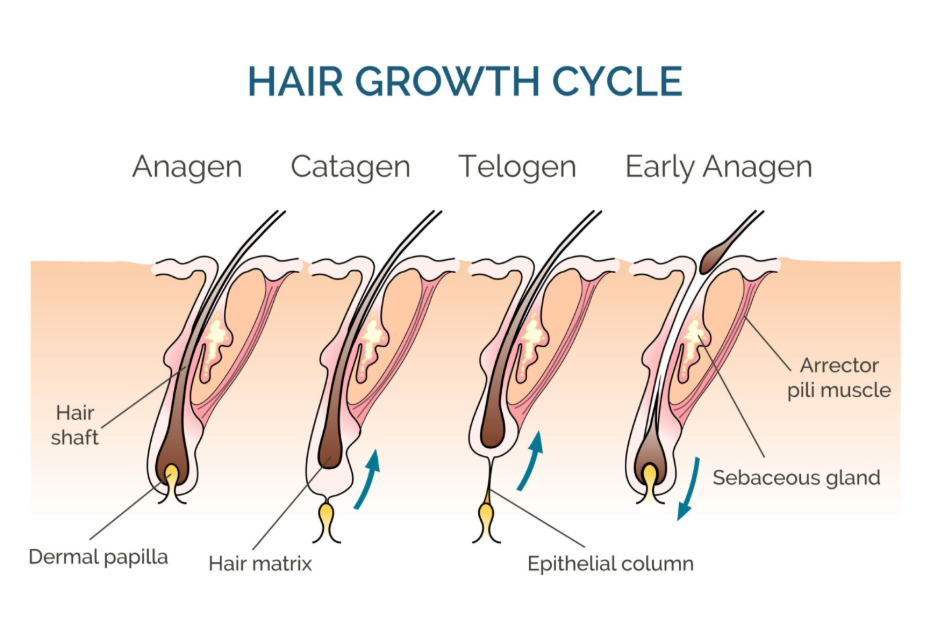
Hair growth is regulated by a delicate balance of hormones. Oestrogen is essentially hair friendly; it helps keep hair in the anagen (growth) phase for longer, leading to thicker, faster growing hair. Progesterone also supports this process by acting as a natural anti androgen.
Getty Images
As these hormones decline, two things happen. First, the growth phase of the hair cycle shortens, meaning hair falls out sooner and grows back more slowly. Second, the relative balance of hormones shifts in favour of androgens (male hormones like testosterone). While women do not produce more testosterone during menopause, the lack of oestrogen to counter it allows androgens to shrink hair follicles. This process, known as follicle miniaturisation, results in thinner, finer hair strands.
Female Pattern Hair Loss (FPHL)
During menopause, some women develop a specific type of thinning known as Female Pattern Hair Loss. Unlike men, who often experience a receding hairline or a bald spot, women typically notice a general thinning across the top and crown of the head. You might notice your parting becoming wider or your ponytail feeling significantly thinner.
This condition is often progressive, but it is highly treatable if caught early. In 2026, clinicians use a combination of hormonal support and topical treatments to revitalise the miniaturised follicles before they stop producing hair entirely.
Changes in hair texture and quality
Even if you do not experience significant hair loss, the quality of your hair often changes during menopause.
- Dryness and Brittleness: Oestrogen helps regulate the production of sebum (natural oils) on the scalp. As levels drop, the scalp produces less oil, leaving hair feeling dry, straw like, and more prone to breakage.
- Loss of Shine: The outer layer of the hair shaft, the cuticle, can become more raised and rough, which prevents hair from reflecting light.
- Frizz and Texture Shifts: Changes in the internal structure of the hair fibre can cause previously straight hair to become wavy or frizzy, or curly hair to lose its definition.
The role of nutrition and blood tests
Because menopause can affect how your body absorbs nutrients, hair changes are often exacerbated by underlying deficiencies. Hair is a non essential tissue, so when the body is under stress or low on nutrients, it redirects those resources away from the hair follicles.
| Key Marker | Why it matters for Menopause Hair |
| Ferritin (Iron) | Essential for the production of hair cell proteins. Low levels are a major cause of shedding. |
| Vitamin D | Stimulates new and old hair follicles. Deficiency is common in the UK. |
| B12 and Folate | Critical for oxygenating the scalp and hair follicles. |
| Thyroid (TSH) | Thyroid issues are more common in midlife and can mimic menopause hair loss. |
Clinical treatments and interventions
Managing hair changes in 2026 involves a multi faceted approach that addresses both the internal hormonal environment and the external follicle health.
Hormone Replacement Therapy (HRT)
For many women, starting HRT helps stabilise hair loss by restoring oestrogen levels. This can help keep hair in the growth phase for longer and counteract the miniaturising effects of androgens. Using body identical progesterone can also provide an anti androgenic effect that protects the follicles.
Topical Minoxidil
Minoxidil remains a gold standard treatment for female pattern thinning. It works by increasing blood flow to the scalp and widening the follicles. In 2026, low dose oral minoxidil is also sometimes prescribed by dermatologists for women who do not see results from topical versions.
Scalp Care and Laser Therapy
Low Level Laser Therapy (LLLT) devices, such as laser caps or combs, are clinically cleared to stimulate cellular activity in the follicles. Using scalp serums containing peptides or caffeine can also help support the scalp environment.
To Summarise
Menopause frequently causes hair loss and texture changes due to the loss of oestrogen and the relative increase in androgen activity. While these changes can be distressing, they are often manageable through a combination of clinical treatments like HRT, targeted nutrition, and specialised hair care. By addressing the health of the follicle both from the inside and the outside, most women can significantly improve the thickness and quality of their hair during and after the transition.
If you experience sudden, patchy hair loss, an itchy or painful scalp, or if your hair loss is accompanied by a rash, seek a medical review from a GP or dermatologist to rule out other scalp conditions.
Will my hair grow back once I start HRT?
HRT is very effective at stopping further loss and improving hair quality. While it can trigger some regrowth, its main strength is in preserving the hair you have and making each strand thicker.
Is menopausal hair loss permanent?
If left untreated, female pattern hair loss can be progressive. However, if the thinning is caused by the temporary shock of hormonal shifts (telogen effluvium), it often resolves once hormone levels are stabilised.
Should I stop dyeing my hair?
Not necessarily, but you may need to switch to gentler, ammonia free formulas. Because menopausal hair is drier and more porous, it can be more easily damaged by harsh chemicals and high heat.
Does biotin help with menopause hair loss?
Biotin is only helpful if you have a true deficiency, which is rare. Focusing on iron (ferritin) and Vitamin D is usually more effective for menopausal women.
Why is my hair suddenly oily instead of dry?
While most women experience dryness, a small number experience a temporary increase in oiliness as the body adjusts to the drop in oestrogen. This usually settles over time.
Can stress make menopause hair loss worse?
Yes. High levels of cortisol can push more hair follicles into the resting phase, leading to increased shedding about three months after a stressful period.
Authority Snapshot
This article was written by the MyPatientAdvice clinical team and reviewed by Dr. Stefan Petrov, a UK trained physician with an MBBS and postgraduate certifications including Basic Life Support (BLS), Advanced Cardiac Life Support (ACLS), and the UK Medical Licensing Assessment (PLAB 1 & 2). Dr. Petrov has extensive experience in general medicine, surgery, and emergency care. He has worked in both hospital wards and intensive care units and contributes to medical education by creating patient focused health content. This information follows clinical protocols to ensure accurate guidance for managing menopause related hair changes in 2026.



