




Modern medical interventions can provide a cure for liver cancer in patients with cirrhosis, provided the disease is identified at an early stage and the patient meets specific clinical criteria for intensive treatment. The relationship between cirrhosis and primary liver cancer, known as hepatocellular carcinoma, is complex because the underlying liver scarring affects how the body tolerates surgery and medication. In the United Kingdom, healthcare teams prioritise curative pathways for localised tumours, aiming to either remove the cancer physically or replace the diseased organ entirely. For cases where a complete cure is not possible due to the extent of the cancer or the severity of the liver failure, advanced treatments focus on controlling the growth of the disease and maintaining the patient’s quality of life. The clinical approach in the UK is highly personalised, involving specialists from various disciplines who weigh the benefits of curative action against the risks posed by the underlying liver damage. Early detection remains the most significant factor in determining whether a definitive cure can be achieved.
What We’ll Discuss in This Article
- The definition of curative versus palliative treatments in liver cancer.
- The role of liver transplantation as a definitive cure for both cancer and cirrhosis.
- Surgical resection and its limitations in patients with advanced scarring.
- Thermal ablation as a minimally invasive curative technique for small tumours.
- Advanced systemic therapies and their role in managing non-curable disease.
- The importance of the UK multidisciplinary team in deciding treatment pathways.
Curative Treatment Pathways: Transplantation and Resection
Curative treatments for liver cancer aim to eliminate the malignancy entirely, with liver transplantation and surgical resection being the primary methods used in the United Kingdom. The NHS states that liver cancer can sometimes be cured if it is found early, with treatments such as surgery to remove a part of the liver or a liver transplant.
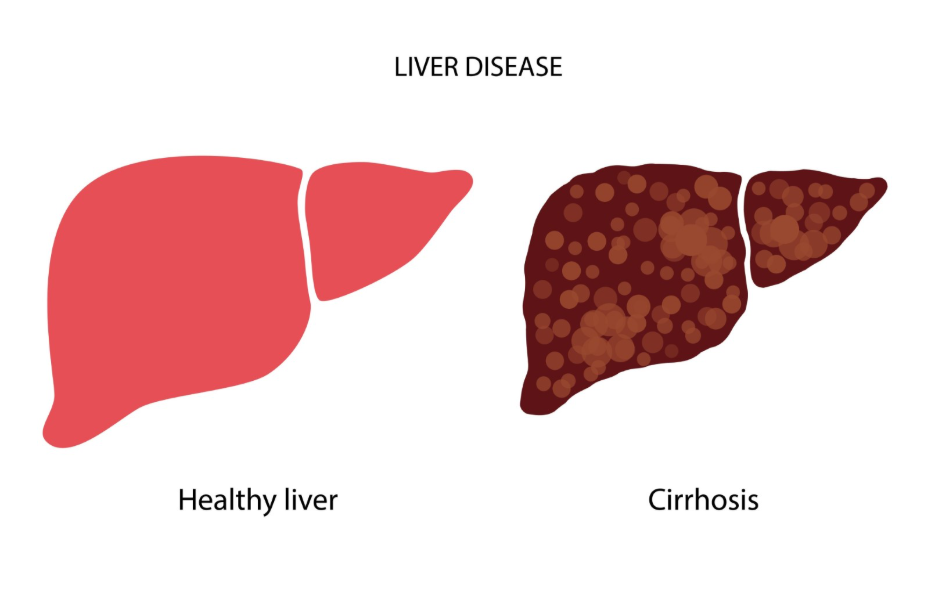
Liver transplantation is often considered the gold standard for a cure when cancer arises from cirrhosis because it removes both the tumour and the diseased organ that is prone to developing future malignancies. Surgical resection involves removing the cancerous section of the liver while leaving the remaining tissue intact. However, in patients with cirrhosis, resection is only possible if the remaining liver is healthy enough to function independently. If the cirrhosis is too advanced, surgery may trigger liver failure, making transplantation or other localised treatments more appropriate clinical choices.
Thermal Ablation for Small Tumours
Thermal ablation is a curative treatment option used to destroy small liver tumours by applying extreme heat or cold directly to the cancerous cells. This method is typically reserved for patients who have early-stage cancer but may not be suitable for major surgery due to the location of the tumour or the severity of their cirrhosis.
The most common form used in the UK is radiofrequency ablation, where an interventional radiologist inserts a needle-like probe into the tumour under the guidance of an ultrasound or CT scan. The probe delivers high-frequency electrical currents that heat and kill the cancer cells. This technique is highly effective for tumours smaller than three centimetres. While it offers a chance of a cure similar to surgery for very small masses, it is less invasive and requires a shorter hospital stay, making it a vital tool for patients with compromised liver function.
Factors Influencing the Possibility of a Cure
The ability to cure liver cancer in a patient with cirrhosis depends heavily on the “Milan Criteria,” which evaluate the size and number of tumours to determine eligibility for curative transplant or surgery. NICE clinical guidelines recommend that multidisciplinary teams use specific staging systems to decide which patients are likely to benefit from curative interventions versus those who require life-extending management.
| Feature | Impact on Curative Potential | Preferred Treatment |
| Single tumour < 5cm | High potential for cure | Resection or Transplant |
| 3 tumours < 3cm | Potential for cure | Transplant or Ablation |
| Spread to blood vessels | Low potential for cure | Systemic therapy |
| Advanced Liver Failure | Limited by surgical risk | Transplant or Palliative care |
Accuracy in staging is essential because even a small tumour may be incurable if the underlying cirrhosis is “decompensated,” meaning the liver can no longer perform basic tasks like clotting blood or filtering toxins. In these cases, the risk of the treatment itself may outweigh the benefits of attempting a cure, leading the medical team to recommend treatments that control the cancer rather than eliminate it entirely.
Management of Non-Curable Liver Cancer
When liver cancer is too advanced for a cure, modern treatments focus on slowing the progression of the disease and managing symptoms through systemic therapies or targeted procedures. These interventions, such as chemoembolisation or immunotherapy, are designed to extend life and reduce the impact of the cancer on the body.
Chemoembolisation involves injecting chemotherapy drugs directly into the blood vessel feeding the tumour and then blocking that vessel to “starve” the cancer. Immunotherapy and targeted drugs work by helping the immune system identify cancer cells or by blocking the signals that allow tumours to grow. While these are not typically considered cures, they represent a significant advancement in the management of liver cancer caused by cirrhosis, offering many patients months or years of stable health that were not possible with older treatments.
The Role of Multidisciplinary Teams in UK Care
In the UK, the decision regarding whether a patient can be cured is made by a multidisciplinary team (MDT) consisting of surgeons, hepatologists, radiologists, and oncologists. This team ensures that every aspect of the patient’s health is considered, from the technical feasibility of removing a tumour to the patient’s ability to recover from major surgery.
The GOV.UK health pages indicate that the integrated care provided by specialist liver centres is essential for achieving the best outcomes in primary liver cancer management. The MDT approach helps prevent “over-treatment” in fragile patients while ensuring that those with a genuine chance of a cure are identified and referred for specialist procedures like transplantation. This collaborative framework is a cornerstone of the NHS strategy to improve survival rates for liver cancer.
Conclusion
Modern treatments can cure liver cancer caused by cirrhosis, primarily through liver transplantation, surgical resection, or thermal ablation, provided the disease is detected early. The choice of treatment is dictated by the size and number of tumours as well as the functional capacity of the scarred liver. For cases that fall outside the curative criteria, advanced management options are available to slow disease progression and support quality of life. Regular surveillance remains the most effective way to identify patients who are candidates for a definitive cure. If you experience severe, sudden, or worsening symptoms, call 999 immediately.
Is a liver transplant always a cure for liver cancer?
A transplant can be a cure if the cancer has not spread outside the liver, but patients must meet strict criteria to be eligible for the waiting list.
Can I have surgery if my cirrhosis is very advanced?
Standard surgery is often too risky if cirrhosis is advanced, as the liver may not be able to recover; in these cases, other treatments are preferred.
Does ablation work as well as surgery?
For very small, single tumours, ablation can offer results similar to surgery with fewer risks and a faster recovery time.
What happens if the cancer comes back after a cure?
If cancer recurs, the medical team will reassess the liver to see if further curative treatments or life-extending therapies are possible.
Why can’t everyone with liver cancer get a transplant?
Transplantation is limited by the availability of donor organs and strict medical rules to ensure the best chance of long-term success.
How do doctors know if the treatment worked?
Follow-up imaging, such as CT or MRI scans, along with blood tests for tumour markers, are used to monitor the liver after treatment.
Can lifestyle changes help a cure?
While lifestyle changes like stopping alcohol do not cure cancer, they help stabilise the liver, making curative treatments safer and more effective.
Authority Snapshot (E-E-A-T)
This article provides medically factual health education regarding liver cancer treatments, strictly aligned with NHS and NICE clinical guidelines. The content is developed by a professional medical writing team and reviewed by Dr. Stefan Petrov, a UK-trained physician with extensive experience in general medicine, surgery, and emergency care. All information follows current UK public health protocols to ensure accuracy and patient safety.



