




The relationship between stress and neuropathy is complex. Strictly speaking, stress alone does not typically cause the physical destruction of peripheral nerves in the way that diabetes or chemotherapy does. However, chronic stress can trigger physiological changes that mimic neuropathy symptoms or severely exacerbate an existing condition. In the United Kingdom, many patients report that their nerve pain or tingling intensifies significantly during periods of high emotional or psychological pressure.
As a physician with experience in emergency medicine and intensive care, I have observed how the body sympathetic nervous system reacts to prolonged stress. While it may not be the primary cause of nerve death, stress acts as a powerful multiplier of neurological symptoms. This article explores how stress interacts with the nervous system and whether it can truly be the sole driver of neuropathic sensations.
What We Will Discuss In This Article
- Stress and the Nervous System: The physiological connection
- Psychosomatic Symptoms: When stress mimics nerve damage
- The Impact of Cortisol: How hormones influence nerve sensitivity
- Stress as an Exacerbator: Triggering flares in existing neuropathy
- Functional Neurological Disorder (FND): A specific clinical perspective
- Emergency guidance for acute neurological or systemic distress
Stress and the Nervous System Connection
When you are under stress, your body enters a state of fight or flight. This involves the release of adrenaline and cortisol, which sharpens your senses but also puts the nervous system on high alert.
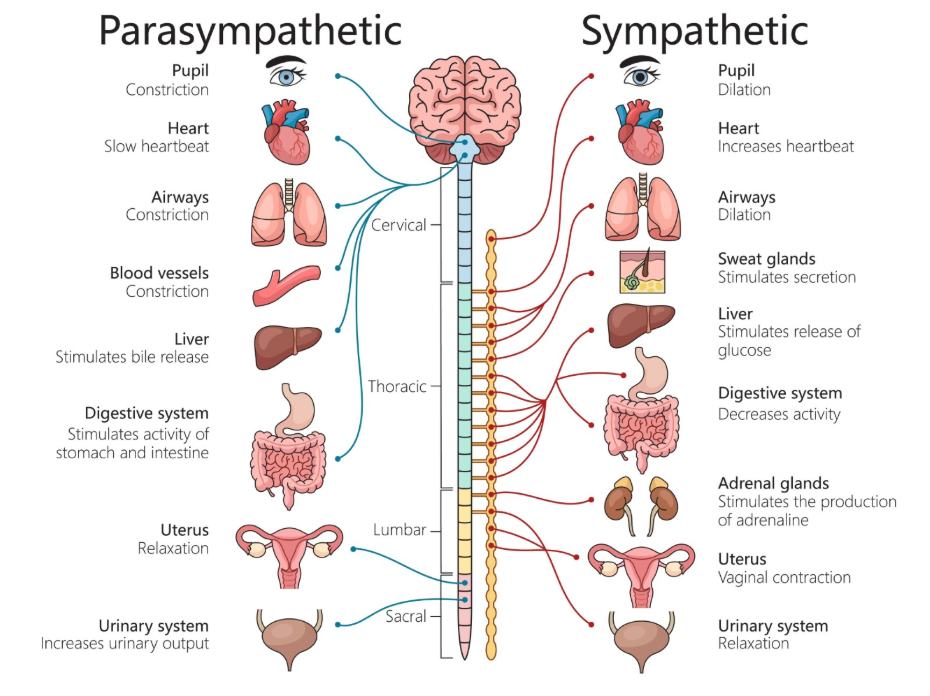
Prolonged activation of this system can lead to hyper-vigilance. In this state, the brain becomes hypersensitive to signals from the body. Normal sensations that the brain would usually ignore can be misinterpreted as tingling, burning, or pain. This is often referred to as central sensitization, where the problem lies in how the brain processes signals rather than a physical break in the peripheral nerve fibres.
Psychosomatic Symptoms and Mimicry
Stress can cause physical symptoms that feel identical to neuropathy. During periods of intense anxiety or panic, a person may experience:
- Paraesthesia: The sensation of pins and needles in the hands, feet, or around the mouth.
- Muscle Twitches: Small, involuntary contractions often caused by nervous system overstimulation.
- Numbness: A feeling of detachment or loss of sensation, often linked to hyperventilation which changes blood chemistry.
While these symptoms are real and distressing, they are often transient and resolve once the stressor is removed, unlike the persistent damage seen in clinical peripheral neuropathy.
The Role of Cortisol in Nerve Sensitivity
Chronic stress leads to a sustained elevation of cortisol. While cortisol is an anti-inflammatory in the short term, long term exposure can actually increase the sensitivity of pain receptors.
High cortisol levels can also impact the vascular system, potentially reducing blood flow to the tiny vessels that nourish the nerves (the vasa nervorum). While this is unlikely to cause full scale neuropathy in a healthy person, it can certainly compromise nerve health and make existing damage feel much more severe.
Stress as an Exacerbator of Existing Neuropathy
For those already diagnosed with neuropathy, stress is a major trigger for flares. The psychological strain of a difficult day can lower your pain threshold, making a manageable burning sensation feel unbearable.
In my work on hospital wards and in emergency care, I often find that stabilizing a patient emotional state is a vital part of managing their physical pain. Stress management techniques are therefore not just a luxury; they are a clinical necessity for anyone living with chronic nerve issues.
Functional Neurological Disorder (FND)
In some cases, stress and psychological trauma can lead to a condition known as Functional Neurological Disorder. In FND, the brain has difficulty sending and receiving signals, leading to symptoms like numbness, weakness, or tremors that look exactly like neuropathy.
However, the hardware of the nerves is intact; the issue is with the software of how the brain operates. This is a recognized clinical condition in the UK and requires a specialized approach involving both neurology and mental health professionals.
Emergency Guidance
While stress related symptoms are often benign, sudden neurological changes should always be taken seriously. Seek emergency care immediately if you experience:
- Sudden weakness or numbness on one side of the face or body
- New and total loss of bladder or bowel control
- Symmetrical weakness that spreads rapidly up the body
- A sudden, severe headache or confusion alongside neurological changes
- Signs of a silent heart attack such as sudden nausea and profound weakness
In these situations, call 999 or attend your nearest Accident and Emergency department immediately.
To Summarise
Stress alone is rarely the primary cause of physical nerve damage, but it is a significant factor in how we experience neurological symptoms. By sensitizing the nervous system and mimicking the sensations of neuropathy, stress can make it difficult to distinguish between psychological and physical causes. In the UK, clinicians like Dr. Stefan Petrov emphasize the importance of a holistic approach that addresses both mental and physical health. If you are experiencing persistent nerve symptoms during times of stress, a thorough medical evaluation is necessary to rule out underlying damage.
Can a panic attack cause my feet to go numb?
Yes. Hyperventilation during a panic attack causes a drop in carbon dioxide in the blood, which can lead to tingling and numbness in the hands, feet, and face.
If my tests come back clear, is it just stress?
If nerve conduction studies and blood tests are normal, but symptoms persist, it may be related to central sensitization or stress. However, some forms of small fibre neuropathy also don’t show up on standard tests.
Will my symptoms go away if I reduce my stress?
If the symptoms are purely stress induced or psychosomatic, they often improve significantly as the nervous system calms down.
Does stress make diabetic neuropathy worse?
Yes. Stress can raise blood sugar levels and increase pain sensitivity, both of which worsen the symptoms and progression of diabetic neuropathy.
Authority Snapshot
This article was reviewed by Dr. Stefan Petrov, a UK trained physician with an MBBS and extensive experience in emergency care, surgery, and intensive care. Dr. Petrov is certified in advanced cardiac and basic life support and has worked across various hospital departments, giving him a deep understanding of the intersection between physiological stress and physical health. He is committed to providing junior doctors and the public with evidence based clinical education.



