




Colon polyps can return after they have been removed, either as new growths in different areas of the large intestine or, less commonly, as regrowth at the original site if the initial excision was incomplete. A polyp is a cluster of cells that forms on the inner lining of the bowel, and while the physical removal of a specific growth eliminates that particular risk, it does not change the underlying biological environment that allowed the polyp to develop initially. In the United Kingdom, healthcare professionals manage this risk of recurrence through structured surveillance programmes, inviting patients back for repeat colonoscopies at specific intervals based on their previous findings. Because the development of polyps is influenced by a combination of genetics, age, and lifestyle factors, individuals who have had one polyp are statistically more likely to develop others in the future. The UK healthcare system focuses on long-term monitoring to ensure that any recurrent or new growths are identified and removed while they are small and benign. Understanding the nature of polyp recurrence is essential for maintaining gastrointestinal health and recognising the value of consistent clinical follow-up. By adhering to evidence-based surveillance protocols, clinicians can effectively manage the cellular health of the colon lining over a patient’s lifetime.
What We’ll Discuss in This Article
- The biological reasons why new polyps may develop after a polypectomy.
- The difference between a new polyp and the regrowth of an old one.
- How pathology results influence the timing of your follow-up checks.
- Lifestyle factors that can help reduce the risk of polyp recurrence.
- The role of the UK national bowel screening programme in long-term care.
- What to expect during a surveillance colonoscopy.
The Process of Polyp Recurrence and New Growth
New polyps can develop in the colon following a successful removal because the factors that triggered the first growth, such as genetic predispositions or age-related cellular changes, often remain present. A polypectomy removes the visible tissue growth but does not alter the genetic makeup of the surrounding mucosal cells. The NHS states that if you have had polyps removed, you may need further check-ups to make sure no more polyps have grown back.
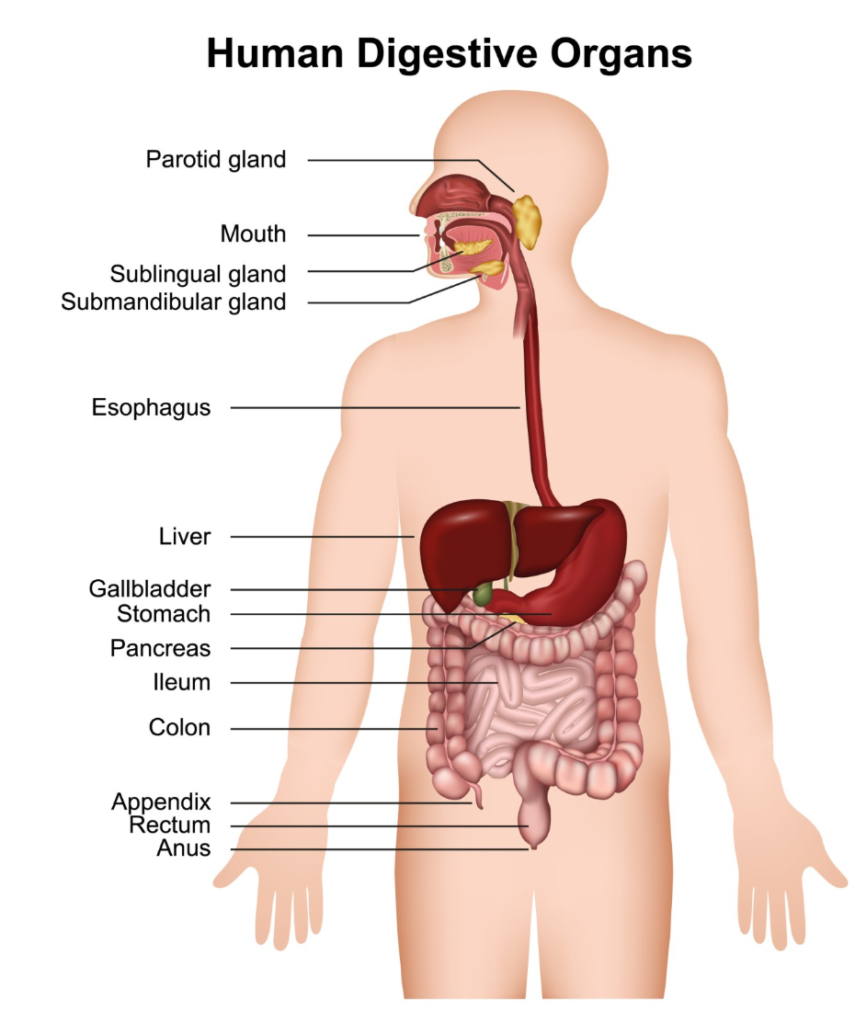
Most “recurrent” polyps are actually new growths that appear in a different section of the large intestine. These typically take several years to grow large enough to be detected, which is why follow-up intervals are spaced out. In some instances, a polyp may reappear at the exact same site if a few microscopic cells were left behind during the original procedure. This is more common with very large or flat polyps that were difficult to remove in a single piece. In the United Kingdom, clinicians use high-definition cameras and specialised dyes during surveillance procedures to carefully inspect the sites of previous removals and the rest of the colon to ensure any new activity is addressed promptly.
How Pathology and Risk Levels Determine Follow-up
The frequency of your follow-up checks is determined by the specific characteristics of the polyps previously removed, as certain types carry a higher risk of recurrence than others. When a polyp is removed in a UK hospital, it is sent to a laboratory where a pathologist examines the cells to determine their type and whether any dysplasia (abnormal cell growth) is present.
| Risk Category | Criteria Example | Typical UK Follow-up |
| Low Risk | 1 or 2 small (under 10mm) adenomas. | Return to national screening (2–5 years). |
| High Risk | More than 2 adenomas or 1 large (over 10mm) adenoma. | Surveillance colonoscopy in 1 to 3 years. |
| Incomplete | Large flat polyps removed in pieces. | Check-up usually within 6 to 12 months. |
This stratification ensures that patients with higher-risk findings receive more frequent visual inspections. By tailoring the monitoring to the individual’s pathology, the UK healthcare system balances the need for invasive procedures with the necessity of keeping the colon lining healthy.
Differentiating Between Recurrence and New Polyps
Clinicians distinguish between a true recurrence at the original site and the development of new polyps by comparing current findings with the detailed maps and photographs taken during previous colonoscopies. A true recurrence is often a result of the biological nature of the polyp; some flat or “sessile” polyps have edges that are difficult to define, increasing the chance of microscopic tissue remaining.

New polyps are simply the result of the colon’s continued natural process of cell renewal, where occasional errors in DNA replication lead to a fresh growth. Because the large intestine is several feet long, there is significant surface area where new tissue can emerge. In the UK, the focus during surveillance is not just on the “old” spots but on a comprehensive sweep of the entire bowel. This thoroughness is why bowel preparation the process of clearing the colon before the test is so vital; even a tiny new growth can be hidden if the view is obscured by waste.
Lifestyle Factors in Reducing Recurrence Risk
While some risk factors for polyp recurrence like age and genetics cannot be changed, certain lifestyle choices may help reduce the likelihood of new polyps developing. Maintaining a healthy weight and staying physically active are recommended as part of general bowel health management in the United Kingdom.
Evidence suggests that dietary habits play a significant role in the environment of the colon. NICE clinical guidelines for diverticular disease and general bowel health highlight that a diet high in fibre and low in red and processed meats is associated with better long-term gastrointestinal outcomes. Fibre helps by speeding up the transit of waste, which reduces the time the colon lining is in contact with potential toxins. Reducing alcohol intake and avoiding smoking also support the body’s natural cellular repair mechanisms. While these actions do not guarantee that polyps will never return, they contribute to a healthier mucosal environment that may slow down the processes leading to tissue overgrowth.
The Role of Surveillance Colonoscopy
A surveillance colonoscopy is the primary tool used in the UK to monitor for the return of polyps, as it allows for both the detection and immediate removal of any new growths. This procedure is identical to the diagnostic colonoscopy used initially but focuses on the specific goal of long-term monitoring.
During the procedure, if the endoscopist finds a new polyp, they will perform another polypectomy. This proactive removal is the most effective way to prevent the polyp from growing larger or undergoing cellular changes. In the UK, patients are often kept on a surveillance programme until they have had several “clear” results, at which point their risk is considered low enough to return to the standard national screening programme. This coordinated care pathway provides a continuous safety net, ensuring that even if polyps do return, they are managed before they can impact the patient’s overall health.
UK National Screening and Long-term Monitoring
For many patients whose polyps were small and low-risk, long-term monitoring is managed through the UK national bowel screening programme rather than frequent hospital procedures. This programme uses the Faecal Immunochemical Test (FIT) kit, which looks for microscopic traces of blood in the stool.
The GOV.UK health pages indicate that the national bowel screening programme is designed to detect early signs of bowel issues in people who do not have any symptoms, providing an essential layer of long-term protection. If a person who previously had polyps removed returns a positive FIT result, they are fast-tracked for a colonoscopy. This system ensures that even if a person is no longer under active hospital surveillance, the UK healthcare system continues to monitor for signs of recurrent growths. By combining hospital-based surveillance for high-risk cases with population-wide screening for lower-risk cases, the NHS maintains a robust strategy for identifying and treating polyps throughout a person’s life.
Conclusion
Colon polyps can return after removal, which is why the UK healthcare system uses structured surveillance programmes to monitor patients. Recurrence can involve new growths in different areas or, occasionally, regrowth at a previous site. The frequency of follow-up checks is determined by the size and type of polyps removed, with pathology results providing the necessary clinical guidance. Maintaining a high-fibre diet and participating in all scheduled surveillance or screening tests are the most effective ways to manage the risk of recurring polyps. If you experience severe, sudden, or worsening symptoms, call 999 immediately.
If my last colonoscopy was clear, can polyps still come back?
Yes; a clear result is very positive, but new polyps can still develop over several years, which is why regular checks are scheduled.
Why do I need to wait 3 years for a check-up if polyps can return?
Most polyps grow very slowly; 3 to 5 years is typically the safest and most effective window to catch new growths while they are still small.
Can diverticulitis cause polyps to grow back faster?
There is no direct evidence that diverticulitis influences polyp growth, but the inflammation can make the bowel harder to inspect.
Will I always need colonoscopies if I’ve had one polyp?
Not necessarily; if your follow-up results remain clear, you may eventually be moved back to the standard home-based screening programme.
Can a home stool test replace my surveillance colonoscopy?
No; if a clinician has scheduled a surveillance colonoscopy, it is because you require a direct visual check that a stool test cannot provide.
Does a “recurrent” polyp mean the first procedure failed?
Usually no; most recurrences are entirely new polyps developing in different locations, which is a natural part of the ageing process for some people.
Is there a medication to stop polyps from returning?
There is currently no standard medication used in the UK solely to prevent polyps, though some people may be advised on specific supplements by their specialist.
Authority Snapshot (E-E-A-T)
This article provides medically factual health education regarding the recurrence of colon polyps, strictly aligned with NHS and NICE clinical guidelines. The content is developed by a professional medical writing team and reviewed by Dr. Stefan Petrov, a UK-trained physician with extensive experience in emergency care, surgery, and general medicine. All information follows current UK public health protocols to ensure clinical accuracy and patient safety.



