Rapid weight gain can significantly worsen fatty liver disease by placing an acute metabolic burden on the liver, leading to accelerated fat accumulation and increased inflammation. When the body consumes a surplus of calories faster than it can process them, the liver becomes a primary storage site for excess energy in the form of triglycerides. This sudden influx can trigger a transition from simple fat buildup to more aggressive stages of the condition, where liver cells become stressed and damaged. In the United Kingdom, healthcare professionals observe that a quick increase in body mass, particularly around the midsection, is closely linked to metabolic dysfunction. Protecting liver health involves maintaining a stable weight and avoiding the metabolic shocks associated with rapid fluctuations in body fat.
What We’ll Discuss in This Article
- The biological relationship between sudden caloric surplus and liver fat.
- How rapid weight gain triggers liver cell inflammation.
- The role of visceral fat in releasing harmful fatty acids to the liver.
- The impact of weight fluctuations on insulin resistance.
- Why rapid weight gain may accelerate the progression to liver scarring.
- Clinical methods used in the UK to monitor changes in liver health.
The Liver as a Metabolic Buffer
Rapid weight gain worsens fatty liver disease because the liver acts as a central hub for energy regulation and must absorb the excess lipids that other tissues cannot accommodate. When an individual gains weight quickly, the body’s adipose tissue (fat stores) can become overwhelmed, leading to a “spillover” effect where fat is deposited in non-fat tissues like the liver. The NHS states that non-alcoholic fatty liver disease is largely caused by having a buildup of fat in the liver, often seen in people who are overweight or obese.
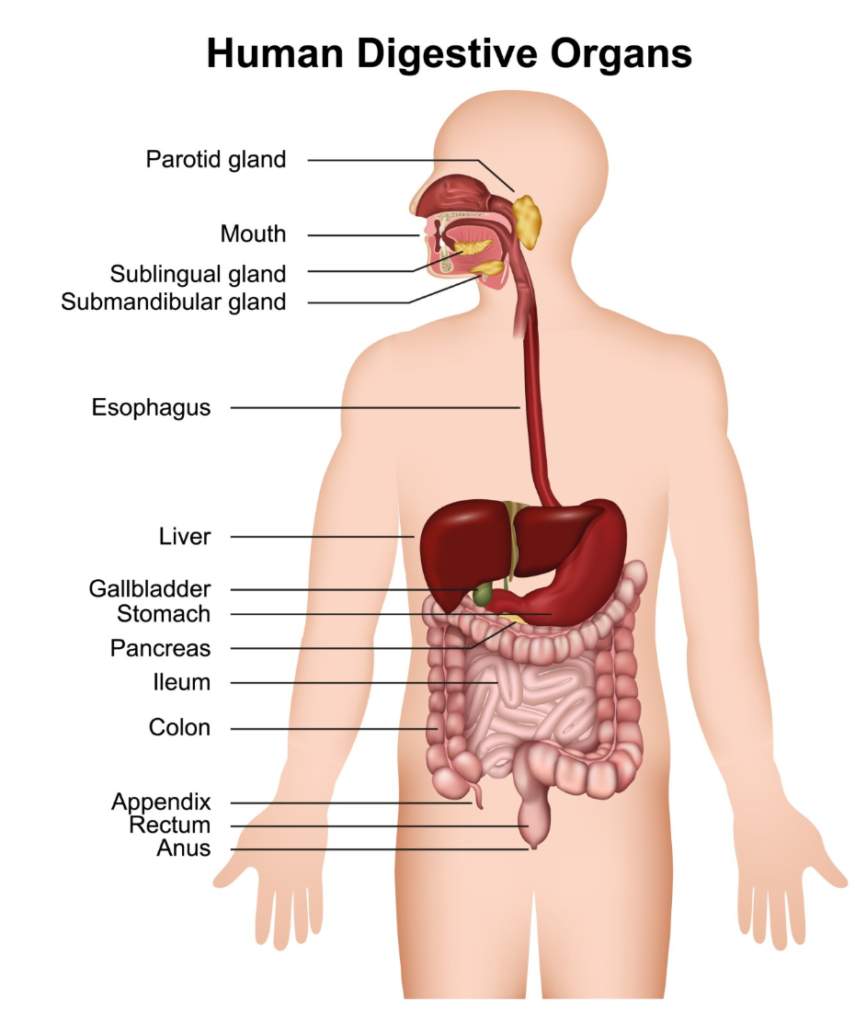
This ectopic fat deposition is particularly harmful because liver cells are not designed to store large volumes of lipids. As fat droplets expand within the hepatocytes, they can physically and chemically interfere with normal organ function. If the weight gain occurs over a short period, the liver has less time to adapt to these metabolic changes, which can lead to a more rapid onset of cellular stress compared to gradual weight gain.
Triggering Inflammation and Steatohepatitis
The transition from simple fat accumulation to active inflammation is often accelerated by rapid weight gain. In the context of fatty liver disease, this aggressive stage is known as non-alcoholic steatohepatitis (NASH). The sudden increase in liver fat can lead to oxidative stress, where the byproduct of fat metabolism creates “free radicals” that damage the liver cell membranes and DNA.
This damage alerts the immune system, causing white blood cells to infiltrate the liver tissue. This inflammatory response is intended to repair damage, but when the caloric surplus is ongoing, the inflammation becomes chronic. Persistent inflammation is a significant concern because it is the primary driver of liver scarring. Clinical evidence suggests that individuals who experience rapid weight gain may see a faster rise in liver enzymes on blood tests, indicating acute irritation of the liver tissue.
Visceral Fat and Fatty Acid Influx
Rapid weight gain often results in an increase in visceral fat, the fat stored deep within the abdomen, which has a direct and detrimental link to the liver. Visceral fat is more metabolically active than subcutaneous fat found under the skin; it releases large amounts of free fatty acids directly into the portal vein, which flows straight into the liver.
| Fat Type | Location | Impact on Fatty Liver Disease |
| Subcutaneous Fat | Directly under the skin | General energy storage; lower direct liver impact |
| Visceral Fat | Around internal organs | High impact; drains directly into the liver |
When a person gains weight rapidly, the expansion of visceral fat sends a constant “flood” of these fatty acids to the liver. This process is often accompanied by the release of inflammatory chemicals called cytokines. NICE clinical guidelines highlight that abdominal obesity and the resulting metabolic syndrome are key factors that clinicians must assess when managing patients with non-alcoholic fatty liver disease. Reducing this internal fat through stable lifestyle changes is the most effective way to stem the flow of toxins to the liver.
Impact on Insulin Resistance
Rapid weight gain is a primary driver of insulin resistance, a condition where the body’s cells stop responding effectively to the hormone that regulates blood sugar. As fat builds up quickly in the liver and muscles, it interferes with the insulin signalling pathways. To compensate, the pancreas produces more insulin, but these high levels of insulin actually signal the liver to manufacture and store even more fat.
This creates a dangerous feedback loop where weight gain causes insulin resistance, and insulin resistance makes it easier for the liver to accumulate fat. For individuals already living with fatty liver disease, a sudden increase in weight can push the body toward type 2 diabetes. Managing blood sugar and maintaining a stable weight are essential for breaking this cycle and allowing the liver to focus on processing energy rather than simply storing it.
Acceleration Toward Liver Scarring
If rapid weight gain and the resulting inflammation are left unaddressed, the risk of developing liver scarring (fibrosis) increases. Fibrosis is the liver’s attempt to heal itself by replacing damaged cells with tough, fibrous tissue. While early fibrosis can sometimes be halted, extensive scarring can eventually lead to cirrhosis, where the liver’s structure is permanently distorted.
Because rapid weight gain often involves a “double hit” of fat and inflammation, the progression through these stages can be faster than in cases of stable, long-term overweight status. In the UK, the focus of liver care is to identify these changes through non-invasive scans before the scarring reaches an irreversible stage. Avoiding rapid fluctuations in weight helps to maintain a more stable environment for liver cells to function and repair themselves naturally.
Clinical Monitoring in the UK
When a patient experiences significant changes in weight, UK healthcare providers may recommend liver checks to assess the impact on the organ. This usually begins with a liver function test (LFT), a blood test that measures enzymes like ALT and GGT. Elevated levels of these enzymes can suggest that the liver is currently inflamed or stressed.
To get a more detailed picture, a specialist may request a FibroScan. This non-invasive ultrasound-based test measures both the amount of fat in the liver and the stiffness of the liver tissue. According to the GOV.UK health pages, regular monitoring and early intervention are essential for managing the rising prevalence of liver disease associated with metabolic risk factors. These assessments allow the clinical team to see if recent weight gain has worsened the condition and if specific interventions, such as a tailored nutrition plan, are required.
Conclusion
Rapid weight gain can worsen fatty liver disease by overwhelming the liver’s metabolic capacity and triggering a state of chronic inflammation. The sudden influx of fats and the development of insulin resistance can accelerate the progression from simple fat buildup to more serious liver scarring. Maintaining a stable weight and adopting a balanced lifestyle are the most effective ways to protect the liver from these metabolic shocks. If you experience severe, sudden, or worsening symptoms, call 999 immediately.
Does gaining weight quickly always mean my liver is getting worse?
Not always, but rapid weight gain is a significant risk factor for increased liver fat and inflammation, so it is best to monitor your health with a doctor.
Can I reverse the damage caused by rapid weight gain?
Yes, the liver has a remarkable ability to heal; losing weight gradually and improving your diet can often reduce liver fat and inflammation.
Why is fat around the belly worse for the liver than fat on the legs?
Belly fat (visceral fat) is closer to the liver and releases fatty acids directly into the blood supply that enters the liver.
Can rapid weight gain cause cirrhosis?
While cirrhosis usually takes years to develop, rapid weight gain can speed up the inflammation and scarring processes that lead to it.
Is “crash dieting” after weight gain safe for the liver?
No, losing weight too quickly can also stress the liver; the NHS recommends a gradual and sustainable weight loss of one to two pounds per week.
How can I tell if my weight gain is affecting my liver?
Many people have no symptoms, but some may feel a dull ache in the upper right abdomen or experience persistent tiredness.
Will a standard blood test show if my liver has more fat?
A blood test can show if your liver is inflamed, but a scan like an ultrasound or FibroScan is needed to see the actual fat levels.
Authority Snapshot (E-E-A-T)
This article provides medically factual health education regarding the impact of weight gain on liver health, strictly aligned with NHS and NICE clinical protocols. The content is developed by a professional medical writing team and reviewed by Dr. Rebecca Fernandez, a UK-trained physician with experience in internal medicine, surgery, and emergency care. All information follows current UK public health standards to ensure accuracy and patient safety.