




Reducing the consumption of red and processed meats is a recognised strategy for lowering the risk of developing bowel cancer. Scientific evidence indicates a strong link between high intakes of these specific types of meat and an increased likelihood of colorectal malignancies. The UK government and various health bodies provide specific recommendations on daily intake limits to help the public manage their health through dietary choices. By making informed adjustments to protein sources, individuals can significantly contribute to their long term digestive health and reduce the risk of cellular changes in the bowel.
What We’ll Discuss in This Article
- The definition of red and processed meats within a clinical context.
- Scientific evidence linking these meats to bowel cancer development.
- Current UK health recommendations for daily meat consumption.
- Healthier protein alternatives to replace processed meat products.
- Practical tips for reducing meat intake in a balanced diet.
- How cooking methods can influence the risk associated with meat.
The Link Between Meat and Bowel Cancer Risk
Reducing the intake of red and processed meat lowers bowel cancer risk because these products contain specific compounds that can damage the cells lining the large intestine. The NHS states that a high intake of red and processed meat is linked to an increased risk of bowel cancer and recommends limiting consumption to stay within safe health limits. When these meats are digested, chemicals such as haem iron in red meat or nitrates used to preserve processed meat can lead to the formation of carcinogenic substances.
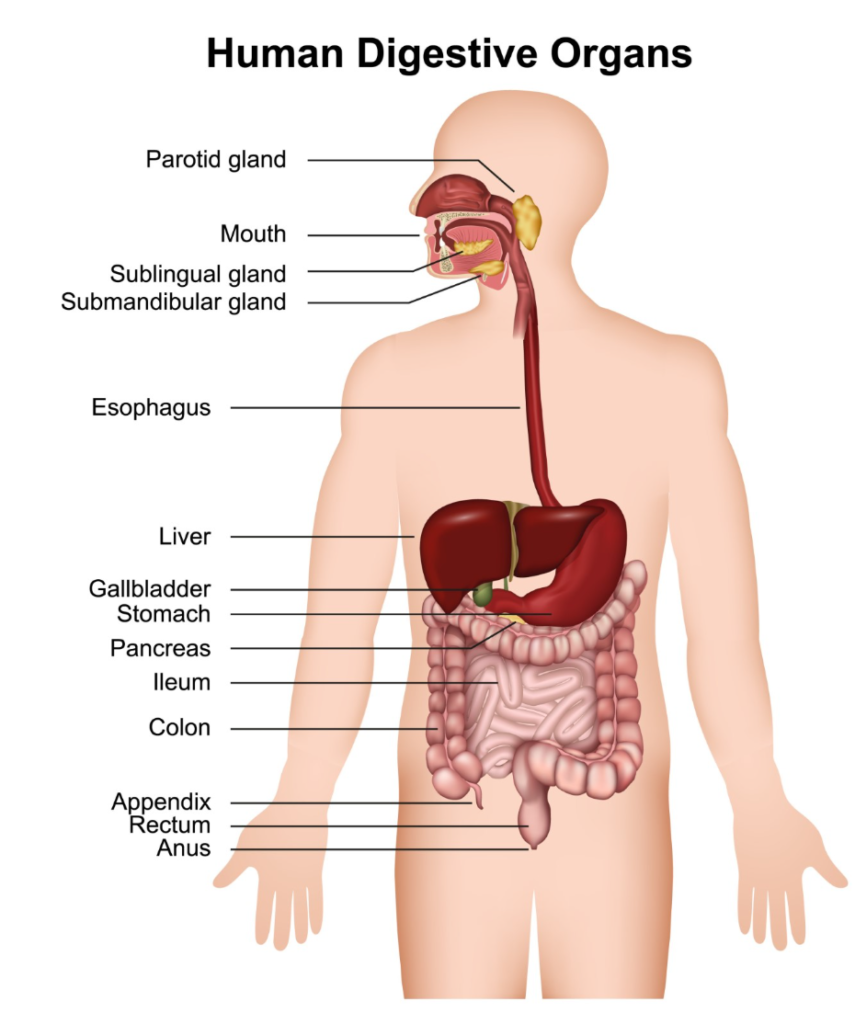
Processed meats, which include bacon, sausages, ham, and salami, are particularly associated with higher risk because they have been transformed through salting, curing, or smoking. These processes often introduce or create chemicals that are known to irritate the bowel wall. Red meat, while providing essential nutrients like iron and zinc, also contains proteins that, when broken down, can result in cellular damage if consumed in excessive quantities over many years.
UK Recommendations for Meat Consumption
The UK Department of Health and Social Care recommends that individuals who eat more than 90g of red and processed meat a day should reduce this to no more than 70g per day. This target is based on a significant body of research showing that those who stay within these limits have a lower incidence of bowel cancer. For context, 70g is approximately equivalent to two standard sausages or three thinly cut slices of roast beef.
NICE provides guidelines on lifestyle and dietary changes to help prevent cancer, including the importance of moderating meat intake as part of a high fibre diet. Many people in the UK exceed these recommendations regularly, particularly when consuming large portions of processed meats at breakfast or in sandwiches. Moving toward these lower targets is a proactive step that helps maintain the health of the intestinal mucosa and supports overall metabolic wellbeing.
Identifying Red and Processed Meats
Understanding what constitutes red and processed meat is essential for managing daily intake effectively. Red meat is defined as any meat from a mammal, which includes beef, lamb, mutton, pork, veal, and venison. Processed meat refers to any meat that has been preserved by smoking, curing, salting, or adding chemical preservatives to enhance flavour or shelf life.
| Category | Examples | Risk Level |
| Processed Meat | Bacon, sausages, ham, pepperoni, hot dogs | Highest link to cancer |
| Red Meat | Beef steaks, lamb chops, pork joints, venison | Moderate link to cancer |
| White Meat | Chicken, turkey, duck | No strong link to cancer |
| Fish | Salmon, cod, mackerel, tuna | No link to cancer |
The distinction is important because while red meat contains valuable vitamins and minerals, processed meats offer significantly fewer nutritional benefits while carrying a higher health risk. Individuals are encouraged to focus primarily on reducing processed items first, as these are more strongly associated with malignant changes in the bowel than fresh red meat.
Healthier Protein Alternatives
Replacing some red and processed meat with other protein sources is an effective way to lower risk while maintaining a balanced diet. Poultry, such as chicken and turkey, does not carry the same risk for bowel cancer and provides a lean source of protein. Fish, particularly oily fish like mackerel or sardines, offers omega 3 fatty acids which have been shown to support heart and brain health without increasing bowel irritation.
Plant based proteins are also highly recommended by the NHS for colorectal health. Beans, lentils, chickpeas, and pulses are not only meat free but are also very high in dietary fibre. Fibre is a critical protective factor because it helps move waste through the digestive system quickly, reducing the time that the bowel lining is in contact with potential toxins. Increasing the proportion of plant proteins in a diet is one of the most effective ways to lower the cumulative risk of bowel disease.
The Impact of Cooking Methods
How meat is prepared can also influence the level of risk associated with its consumption. High temperature cooking methods, such as grilling, barbecuing, or frying, can produce chemicals called heterocyclic amines and polycyclic aromatic hydrocarbons. These chemicals have been shown to damage DNA and increase the risk of cancer in laboratory studies. Charring or burning meat is particularly discouraged as it significantly increases the concentration of these harmful compounds.
The World Cancer Research Fund provides evidence that cooking meat at high temperatures can contribute to the formation of carcinogenic chemicals on the surface of the food. Using gentler cooking methods such as stewing, poaching, or steaming is considered a healthier approach. If grilling or barbecuing meat, it is advisable to avoid eating the burnt parts and to marinate the meat first, as this can sometimes reduce the formation of harmful chemicals.
Conclusion
Reducing the intake of red and processed meat is a scientifically supported method for lowering the risk of bowel cancer. By adhering to the UK recommendation of no more than 70g per day and replacing processed meats with poultry, fish, or legumes, individuals can protect their digestive health. Making these adjustments alongside increasing dietary fibre provides a comprehensive approach to cancer prevention. If you experience severe, sudden, or worsening symptoms, call 999 immediately.
Is white meat like chicken completely safe?
There is currently no strong evidence that white meat increases the risk of bowel cancer, making it a suitable alternative for red meat.
Does it matter if the processed meat is organic?
Even organic processed meats often use traditional curing methods or contain natural nitrates that can still pose a risk to bowel health.
How can I tell how much 70g of meat is?
As a rough guide, 70g is about the size of a deck of cards or roughly half of a standard large burger.
Can I eat red meat as long as I eat a lot of fibre?
Fibre is protective, but it does not completely cancel out the risks of high red meat intake; it is best to manage both factors.
Are meat alternatives like tofu or Quorn safe?
These plant based and mycoprotein sources are generally very safe and are often high in fibre, making them excellent substitutes.
Should I stop eating red meat entirely?
You do not need to stop entirely, but keeping your total red and processed meat intake below 70g per day is the recommended limit.
Is the risk the same for children?
While bowel cancer is rare in children, establishing healthy eating habits early, including limiting processed meats, is beneficial for long term health.
Authority Snapshot (E-E-A-T)
This article provides medically safe health information regarding dietary risks and bowel cancer, strictly aligned with NHS and NICE clinical guidelines. The content is developed by a professional medical writing team and reviewed by Dr. Stefan Petrov, a UK-trained physician with experience in surgery and general medicine. All recommendations are based on current UK public health policy to ensure accuracy and patient safety.



