




Regular health check-ups and routine eye examinations play a supportive role in the early detection of brain tumours by identifying subtle physiological changes before more obvious neurological symptoms develop. In the United Kingdom, there is no national screening programme for brain tumours because they are relatively rare; however, the NHS uses a symptomatic approach to prioritise individuals for neuroimaging. By attending scheduled appointments with GPs or opticians, patients ensure that their baseline health is monitored and that any progressive changes are documented professionally. The UK healthcare system follows evidence-based guidelines from NICE to ensure that suspicious signs are triaged through the 28-day faster diagnosis standard. Understanding the difference between routine health monitoring and specialist neurological investigation is essential for navigating the diagnostic process. This article explores how different types of check-ups contribute to early identification, the role of red-flag symptoms, and the integrated support framework provided within the UK to manage neurological health effectively.
What We’ll Discuss in This Article
- The role of routine eye tests in detecting increased intracranial pressure.
- How GP consultations help track progressive neurological changes.
- The difference between screening and symptomatic diagnostic pathways.
- Recognising red-flag symptoms that warrant urgent clinical review.
- How the 28-day faster diagnosis standard works in the United Kingdom.
- The importance of dental and general health checks in monitoring wellness.
The Role of Routine Eye Examinations
Routine eye tests with an optician are one of the most effective ways to detect early signs of a brain tumour because they can identify swelling of the optic nerve caused by increased pressure inside the skull. This condition, known as papilloedema, is often visible during a standard eye health check even before the patient notices significant changes in their vision. The NHS states that an optician can check the health of your eyes and look for signs of a brain tumour by examining the back of your eye.
In the United Kingdom, opticians use specialist equipment like ophthalmoscopes or digital retinal cameras to view the optic disc. If they observe blurring or swelling in this area, they can make an urgent referral to a hospital eye department or a GP for further investigation. While papilloedema is not present in all cases, it is a significant indicator of intracranial health. Attending an eye test every two years is a simple yet vital habit for monitoring the physiological wellbeing of the brain’s pathways. This integrated link between primary eye care and secondary neuro-oncology ensures that physical indicators of a mass are identified promptly, facilitating a faster transition to diagnostic imaging.
GP Consultations and Symptom Tracking
General Practice (GP) consultations assist in early detection by allowing doctors to track the “temporal pattern” of your symptoms and determine if they are progressive, which is a key indicator of a potential brain tumour. During a check-up, a GP will perform a basic neurological examination, checking your reflexes, coordination, and physical strength. NICE clinical guidelines for brain tumours indicate that a referral for suspected cancer should be made if a patient has a new or progressive neurological deficit.
| Type of Check-up | Clinical Indicator Monitored | Potential Action |
| Physical Exam | Reflexes; muscle strength; gait. | Identification of motor weakness. |
| Cognitive Check | Memory; orientation; speech. | Referral for neuropsychological review. |
| History Taking | Duration and progression of symptoms. | Triage into the urgent cancer pathway. |
| Sensory Review | Hearing; peripheral vision; sensation. | Referral to a specialist consultant. |
A single headache or a minor memory lapse is rarely a cause for concern, but a pattern of symptoms that becomes steadily worse over several weeks is a clinical trigger for further investigation. In the United Kingdom, the GP acts as the gateway to specialist services, using their knowledge of your medical history to differentiate between common ailments and more serious conditions. By maintaining a consistent relationship with your GP, you ensure that any subtle changes in your health are recorded in your medical notes, providing a vital evidence base if an urgent referral becomes necessary.
Screening vs Symptomatic Diagnostic Pathways
It is important to understand that the United Kingdom does not use population-wide screening (like mammograms or cervical smears) for brain tumours, as the low incidence rate and the risks of unnecessary neuroimaging make screening clinically inappropriate. Instead, the NHS relies on a symptomatic diagnostic pathway, where tests are performed based on the presence of specific physical or cognitive indicators. The GOV.UK health pages provide clinical profiles indicating that early diagnosis is prioritised for patients who present with suspicious neurological symptoms.
Because brain tumours are rare, scanning everyone without symptoms would lead to many “false positives,” causing unnecessary anxiety and potentially invasive biopsies. The current UK strategy focuses on “safety-netting,” where patients with low-risk but persistent symptoms are monitored closely and referred if their condition does not improve. This approach ensures that resources are focused on those most likely to benefit from early intervention. Regular check-ups support this system by providing a forum for you to discuss any concerns with a professional, ensuring that if symptoms do emerge, they are caught early within the structured healthcare framework.
Identifying Red-Flag Symptoms in Check-ups
Identifying red-flag symptoms during a medical check-up is a priority for UK clinicians, as these specific signs indicate that a patient requires an urgent referral to a specialist multidisciplinary team. These symptoms are distinguished from more common health issues by their severity, their persistence, and their tendency to worsen over time.
Red-flag symptoms that trigger urgent investigation in the UK include:
- Persistent Morning Headaches: Especially if they are accompanied by nausea or vomiting.
- New-onset Seizures: Any seizure activity in an adult who has no history of epilepsy.
- Progressive Motor Weakness: A loss of power or coordination on one side of the body.
- Significant Personality Changes: Rapid shifts in mood, social behaviour, or cognitive clarity.
- Visual Field Loss: Missing parts of the peripheral vision or experiencing double vision.
During a routine check-up, your doctor or nurse will ask about these specific markers. If a red-flag symptom is identified, you will be placed on the urgent 28-day faster diagnosis pathway. This prioritisation ensures that high-risk cases move through the diagnostic process efficiently, providing the best opportunity for early intervention. Being able to describe these symptoms clearly during an appointment is a vital part of the collaborative diagnostic process in the United Kingdom.
Dental and General Health Monitoring
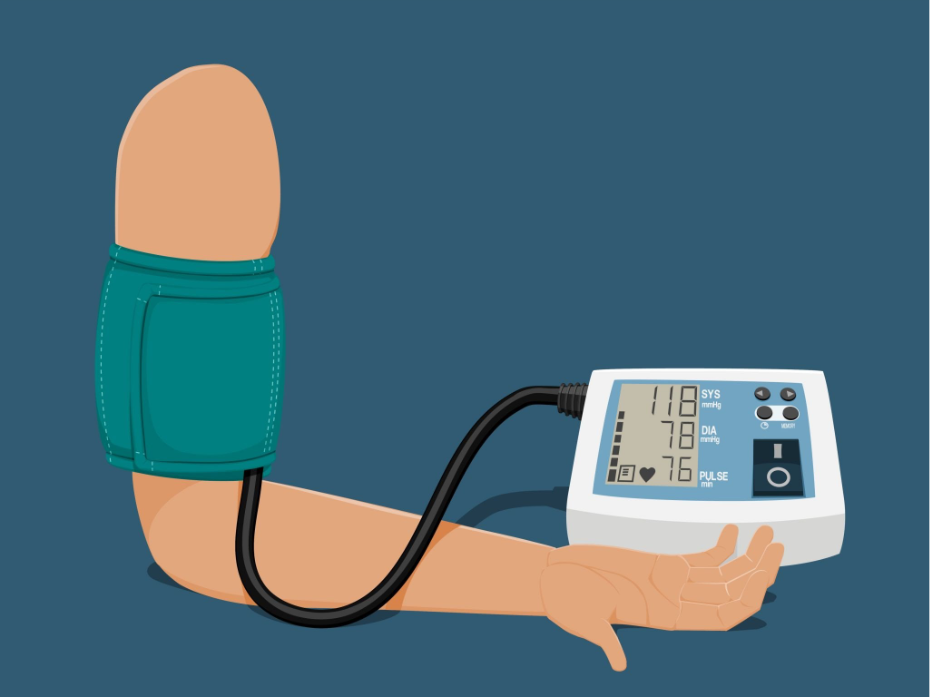
General health monitoring, including dental appointments and routine blood pressure checks, contributes to overall wellness and helps clinicians rule out other causes for symptoms that might mimic a brain tumour. For example, some types of facial pain or headaches can be related to dental issues or high blood pressure, and addressing these first helps narrow down the clinical focus.
The integrated UK health monitoring framework involves:
- Dental Checks: Identifying oral causes for facial pain or headaches.
- Blood Pressure Monitoring: Ensuring that cardiovascular health is not the cause of dizziness.
- Routine Blood Tests: Checking for infections or vitamin deficiencies that can cause fatigue.
- Specialist Nurse Advice: Providing a point of contact for discussing general wellbeing.
In the United Kingdom, the holistic approach to health ensures that all systems are considered. If a general health check shows that your cardiovascular and metabolic health are normal, but your neurological symptoms persist, your GP can move forward with a more specific investigation into brain health. This systematic “exclusion” of other causes is a fundamental part of UK clinical practice, ensuring that when an MRI is performed, it is the most appropriate and necessary step for the patient’s care.
Integrated NHS Support and Follow-up Care
The United Kingdom provides a comprehensive framework of integrated support to ensure that patients are monitored effectively even after a diagnostic test has been completed. This coordinated effort ensures that all aspects of a patient’s health are addressed, whether they are navigating a new diagnosis or undergoing long-term surveillance for a known condition.
The UK support framework includes:
- Multidisciplinary Teams: Specialists in neurology, oncology, and radiology collaborating on care.
- Specialist Nurses: Acting as the primary point of contact for clinical and practical advice.
- Community Neurorehabilitation: Providing home-based support for functional health.
- Long-term Surveillance: Regular, scheduled MRI scans for those at higher risk.
This integrated system ensures that monitoring is continuous and evidence-based. In the UK, the focus is on “maximal safe management,” where the frequency of check-ups is adjusted according to the patient’s specific clinical needs. By utilizing this framework, patients can be confident that their neurological health is being managed by a team that understands both the clinical and human aspects of the condition. Accessing these services through the established NHS pathway ensures that all monitoring is medically supervised and safe.
Conclusion
Regular check-ups with your GP and optician are essential for the early detection of brain tumours, as they allow for the professional identification of subtle neurological and physiological changes. In the UK, the NHS uses a symptomatic diagnostic pathway, focusing on red-flag symptoms and the 28-day faster diagnosis standard to ensure high-risk cases are triaged effectively. While there is no national screening programme, routine eye tests are particularly effective at identifying increased intracranial pressure. GP consultations help document the progression of symptoms, which is a vital indicator for specialist referral. This integrated approach to monitoring prioritises patient safety and functional preservation throughout the diagnostic journey. If you experience severe, sudden, or worsening symptoms, call 999 immediately.
Does an eye test always detect a brain tumour?
No; an eye test can only detect tumours that cause pressure on the optic nerve, so it is not a guaranteed test for all tumour types.
What should I do if my GP won’t refer me for a scan?
In the UK, if your symptoms persist or worsen, you should book a follow-up appointment to discuss the progression of your condition.
How often should I have an eye test for my general health?
The NHS generally recommends an eye test every two years, unless your optician advises more frequent checks based on your health.
Can a blood test detect a brain tumour early?
There is currently no routine blood test in the UK that can detect a brain tumour; diagnosis requires neuroimaging like an MRI or CT scan.
Are private health check-ups better for early detection?
NHS clinical pathways are evidence-based and use the same technology as private providers, with integrated multidisciplinary teams for complex cases.
Why isn’t there a routine brain scan for everyone?
Screening the whole population would lead to many unnecessary tests and anxiety, as brain tumours are rare and scans are best used when symptoms are present.
What is the most important symptom to tell my doctor during a check-up?
You should focus on symptoms that are “new,” “progressive,” or “persistent,” such as a worsening headache or a change in your coordination.
Authority Snapshot (E-E-A-T)
This article provides medically factual health education regarding the role of check-ups in detecting brain tumours, strictly aligned with NHS and NICE clinical guidelines. The content is developed by a professional medical writing team and reviewed by Dr. Rebecca Fernandez, a UK-trained physician with experience in general surgery, cardiology, emergency medicine, and psychiatry. All information follows current UK public health protocols to ensure clinical accuracy and patient safety.



