




Sickle cell disease causes chronic anaemia because the atypical, crescent-shaped red blood cells are biologically fragile and break down much faster than healthy, round red blood cells. In the United Kingdom, healthcare professionals identify this persistent state of low haemoglobin as a primary clinical feature of the condition. By utilised integrated NHS pathways, individuals can manage their biological oxygen levels to maintain systemic stability and functional energy.
What We’ll Discuss in This Article
- The biological reason for rapid red blood cell destruction in sickle cell.
- How the crescent shape of cells impairs oxygen delivery to tissues.
- Identifying physical markers of chronic anaemia and jaundice.
- The impact of a low blood count on cardiovascular and respiratory health.
- Clinical diagnostic procedures utilised by the NHS for haematology reviews.
- Accessing integrated UK support pathways for specialist clinical monitoring.
The Biological Cause of Chronic Anaemia in Sickle Cell
Chronic anaemia occurs in sickle cell disease because the abnormal haemoglobin causes red blood cells to become rigid and prone to premature destruction, often surviving for only ten to twenty days instead of the usual one hundred and twenty. In the United Kingdom, clinical research highlights that the bone marrow cannot produce new cells fast enough to keep pace with this rapid loss. The NHS states that sickle cell disease can cause a person to have a low red blood cell count, which is known as anaemia.
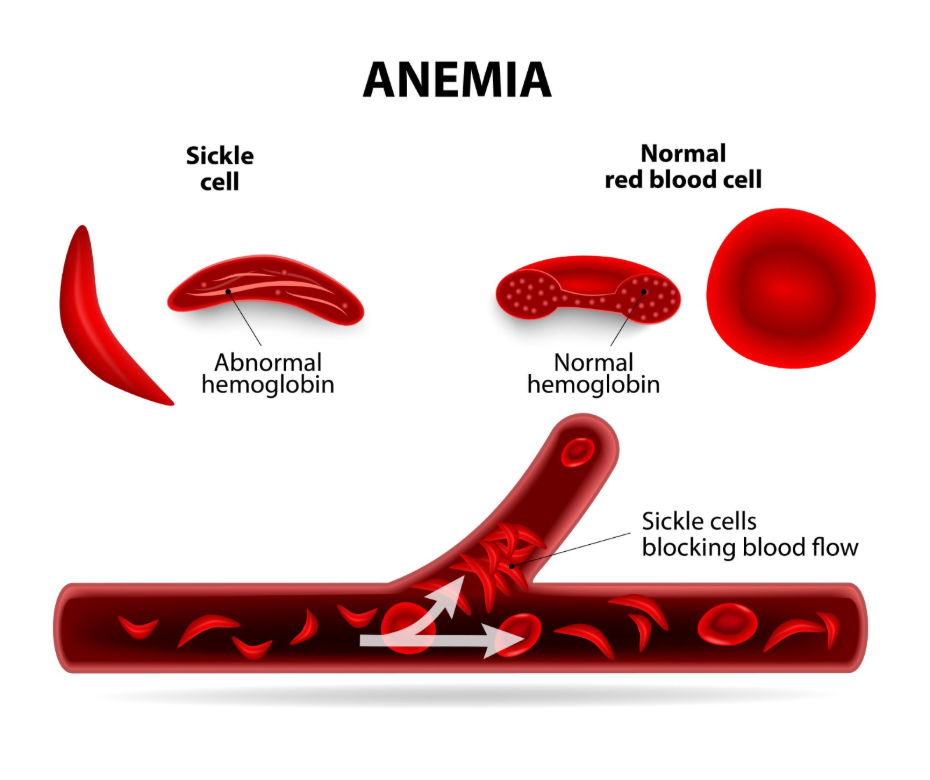
When the body lacks a sufficient number of healthy red blood cells, it cannot transport oxygen efficiently to the brain, muscles, and vital organs. In the UK, this professional framework provides a stable foundation for the health journey by identifying that chronic anaemia is a primary physiological factor of the disease. By utilised these integrated pathways, the healthcare system ensures that every person’s profile is supported through evidence-based understanding. This coordinated effort prioritises the safety of the individual within a validated medical environment that focuses on maintaining biological homeostasis and preventing long-term complications.
Vaso-occlusion and Oxygen Transport Challenges
The crescent shape of sickle cells not only leads to their early destruction but also causes them to get stuck in small blood vessels, further restricting the delivery of oxygenated blood to various parts of the body. In the United Kingdom, specialists recognise that these blockages can lead to acute episodes of pain and contribute to the overall symptoms of exhaustion and weakness. NICE clinical guidelines indicate that the management of sickle cell disease should focus on the prevention of complications and the monitoring of chronic anaemia to maintain quality of life.
| Factor | Healthy Red Blood Cells | Sickled Red Blood Cells |
| Average Lifespan | Approximately 120 days. | Only 10 to 20 days. |
| Physical Shape | Round, flexible, and smooth. | Rigid, brittle, and crescent-shaped. |
| Movement | Glide easily through all vessels. | Prone to clumping and causing blocks. |
| Iron Recycling | Efficiently reused for new cells. | Rapid breakdown can overwhelm the liver. |
| Oxygen Capacity | High and stable. | Consistently low (chronic anaemia). |
In the UK, these biological markers are managed through integrated care plans that prioritise a person-centred approach. Identifying that physical signs like heavy limbs are biological responses to low oxygen helps the multidisciplinary team select the most effective management strategy. This professional oversight is essential for providing a safe and accurate understanding of the individual’s functional capability. By building a robust evidence base through clinical review, the healthcare system provides a secure environment for long-term health maintenance through the identification of vascular triggers.
Long-term Impact on Systemic Health
The persistent state of chronic anaemia in sickle cell disease places a continuous strain on the heart and lungs as they work harder to compensate for the reduced oxygen-carrying capacity of the blood. In the United Kingdom, healthcare professionals monitor for cardiovascular shifts to ensure that the systemic demand for oxygen does not lead to organ fatigue or damage over time. The GOV.UK health pages provide clinical profiles indicating that the monitoring of biological markers is a priority for ensuring integrated support for patients with inherited blood conditions.
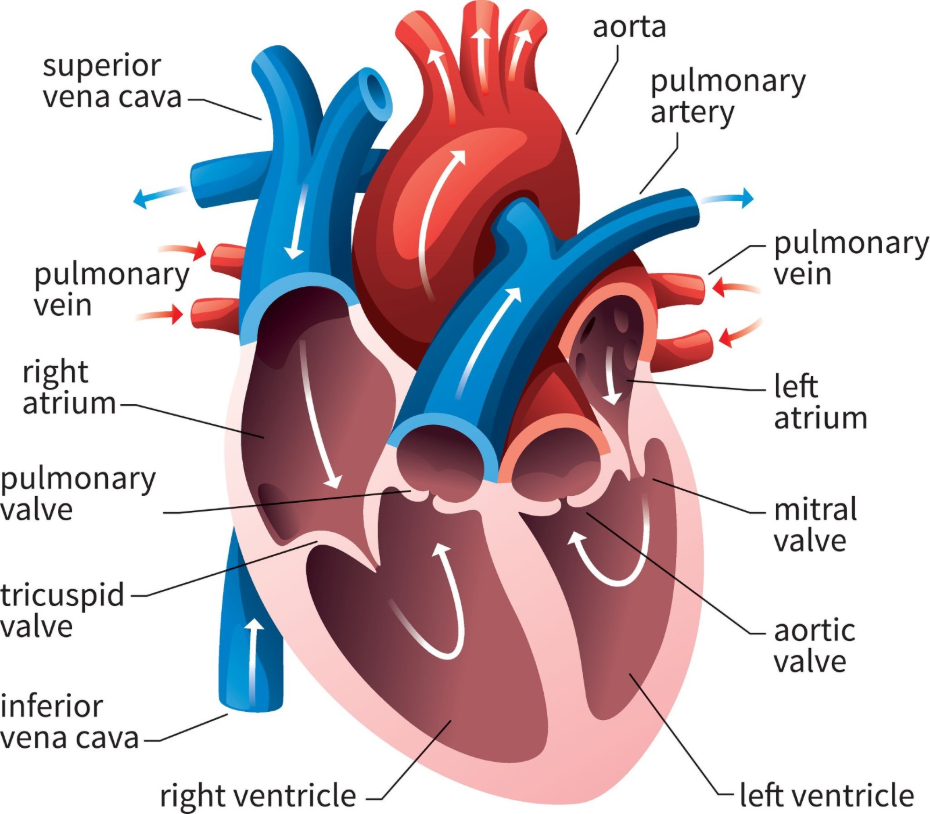
When haemoglobin levels are consistently low, individuals may experience a reduced tolerance for physical activity and an increased susceptibility to infections. In the UK, the focus is on providing a stable foundation where the individual’s history and systemic health are reviewed regularly by a specialist haematology team. Identifying these underlying drivers allows for more targeted help that addresses the actual biological cause of the anaemia. By utilised these professional frameworks, the UK system provides a life-long framework of support that adapts to the person’s needs during different stages of life.
Identifying Physical Markers of Chronic Anaemia
Identifying the markers of chronic anaemia in sickle cell involves looking for a combination of physical indicators that suggest the body is struggling to maintain a healthy oxygen baseline. In the United Kingdom, healthcare professionals focus on these signs during routine reviews to ensure that families and individuals receive timely support before symptoms impact daily development or functional independence.
Common markers monitored in the UK include:
- Leaden Fatigue: An overwhelming sense of tiredness that rest does not resolve.
- Jaundice: Yellowing of the whites of the eyes or skin due to rapid cell breakdown.
- Shortness of Breath: Feeling winded after minor physical movements or while resting.
- Visible Pallor: A loss of colour in the skin and the lining of the lower eyelids.
- Heart Palpitations: A sudden awareness of the heart beating fast or pounding.
- Delayed Growth: Slower physical development in children due to chronic oxygen lack.
- Dizziness: Feeling lightheaded, especially when standing or during physical effort.
In the UK, the focus is on providing a stable foundation for the individual to move forward with self-understanding. The NHS ensures that children and adults have a consistent point of contact for their health needs while they navigate their lives. By utilised these integrated pathways, the healthcare system provides a secure environment for building long-term health wellbeing across the UK population. This integrated approach ensures that the person’s unique way of functioning is respected within their home and professional environment.
Accessing Integrated NHS Support Pathways
The pathway for managing chronic anaemia in sickle cell disease in the United Kingdom is a coordinated process involving primary care, specialist hospital haematology units, and dedicated screening programmes. This journey ensures that every person receives a thorough review of their history and current environment to build a bespoke recovery plan that supports their long-term wellness and functional independence.
The UK integrated support pathway involves:
- Newborn Screening: Universal heel-prick testing to identify the condition shortly after birth.
- Specialist Haematology Review: Regular appointments to monitor blood counts and organ health.
- Full Blood Count: Measuring the percentage of sickled cells and haemoglobin concentration.
- Nutritional Guidance: Professional advice on diet and hydration to support blood production.
- Preventative Care: Accessing daily folic acid and vaccinations to reduce biological strain.
- Crisis Management Planning: Developing protocols for when anaemia worsens during an acute episode.
In the UK, the focus is on providing a stable foundation for the individual to move forward with self-understanding. The NHS ensures that adults and children have a consistent point of contact for their health needs. By utilised these integrated pathways, the healthcare system provides a secure environment for building long-term health wellbeing across the UK population. These strategies aim to work with the individual’s biology to restore a sense of purpose and stability.
Conclusion
Sickle cell disease is a primary biological cause of chronic anaemia due to the rapid destruction and irregular shape of red blood cells within the UK healthcare framework. The NHS and professional bodies provide a robust system of multidisciplinary assessments and specialist monitoring to help individuals achieve stability and resilience. By focusing on both the biological roots of symptoms and the need for clinical oversight, the system promotes the highest possible level of independence. Following a coordinated management plan with the help of medical experts ensures that unique adult and paediatric needs are addressed holistically.
If you experience severe, sudden, or worsening symptoms, call 999 immediately.
Why is the anaemia in sickle cell called “chronic”?
It is called chronic because it is a long-term, ongoing condition where your blood cells are always breaking down faster than your body can replace them.
Will taking iron tablets cure the anaemia in sickle cell disease?
No; the anaemia is caused by the shape and fragility of the cells, not a lack of iron, and taking extra iron can sometimes be unhelpful unless a deficiency is proven.
How long do sickle cells live compared to normal cells?
Sickle cells usually only last ten to twenty days, while healthy red blood cells live for about one hundred and twenty days.
Does the chronic anaemia get worse during a crisis?
Yes; during a sickle cell crisis, more cells may break down or become trapped, causing a temporary but sharp drop in your haemoglobin levels.
Can a blood transfusion help with chronic anaemia?
UK specialists occasionally use transfusions in specific clinical situations to increase the number of healthy red blood cells and reduce symptoms.
Why do people with sickle cell often have yellow eyes?
The yellowing, known as jaundice, is caused by a build-up of bilirubin, which is a waste product created when red blood cells break down rapidly.
Who should I talk to first if I feel more tired than usual?
The first point of contact in the United Kingdom is usually your specialist haematology team or your GP to discuss your symptoms and book a blood review.
Authority Snapshot (E-E-A-T)
This article provides medically factual health education regarding chronic anaemia in sickle cell disease, strictly aligned with NHS and NICE clinical guidelines. The content is developed by a professional medical writing team and reviewed by Dr. Rebecca Fernandez, a UK-trained physician with extensive experience in internal medicine, cardiology, and emergency care. All information follows current UK public health protocols to ensure clinical accuracy and patient safety.



