




Sickle cell disease can cause jaundice or yellowing of the eyes because the atypical red blood cells break down much faster than healthy cells, releasing a substance called bilirubin that the liver cannot always process quickly enough. In the United Kingdom, healthcare professionals monitor this biological marker to assess the rate of red blood cell destruction and maintain systemic stability. By utilised integrated NHS pathways, individuals can access specialist haematology reviews to manage the physiological impact of this condition.
What We’ll Discuss in This Article
- The biological relationship between haemolysis and bilirubin production.
- Why the shortened lifespan of sickle cells leads to visible jaundice.
- Identifying the physical markers of jaundice in the eyes and skin.
- The role of the liver and gallbladder in managing blood cell waste.
- Clinical diagnostic procedures used by the NHS to monitor bilirubin levels.
- Accessing integrated UK support pathways for specialist clinical reviews.
The Biological Link Between Haemolysis and Jaundice
Jaundice occurs in sickle cell disease due to a process called haemolysis, where the rigid, crescent-shaped red blood cells are destroyed prematurely, leading to an accumulation of bilirubin in the bloodstream. In the United Kingdom, clinical research highlights that while healthy red blood cells live for approximately one hundred and twenty days, sickle cells often survive for only ten to twenty days. The NHS states that jaundice can be a sign of sickle cell disease because the rapid breakdown of red blood cells leads to a build-up of bilirubin.
When these cells break down, the haemoglobin inside them is converted into bilirubin, a yellow pigment that is normally processed by the liver and excreted. In the UK, this professional framework provides a stable foundation for the health journey by identifying that jaundice is a primary physiological marker of the disease. By utilised these integrated pathways, the healthcare system ensures that every person’s profile is supported through evidence-based understanding. This coordinated effort prioritises the safety of the individual within a validated medical environment that focuses on maintaining biological homeostasis and preventing complications such as gallstones.
The Role of the Liver and Gallbladder
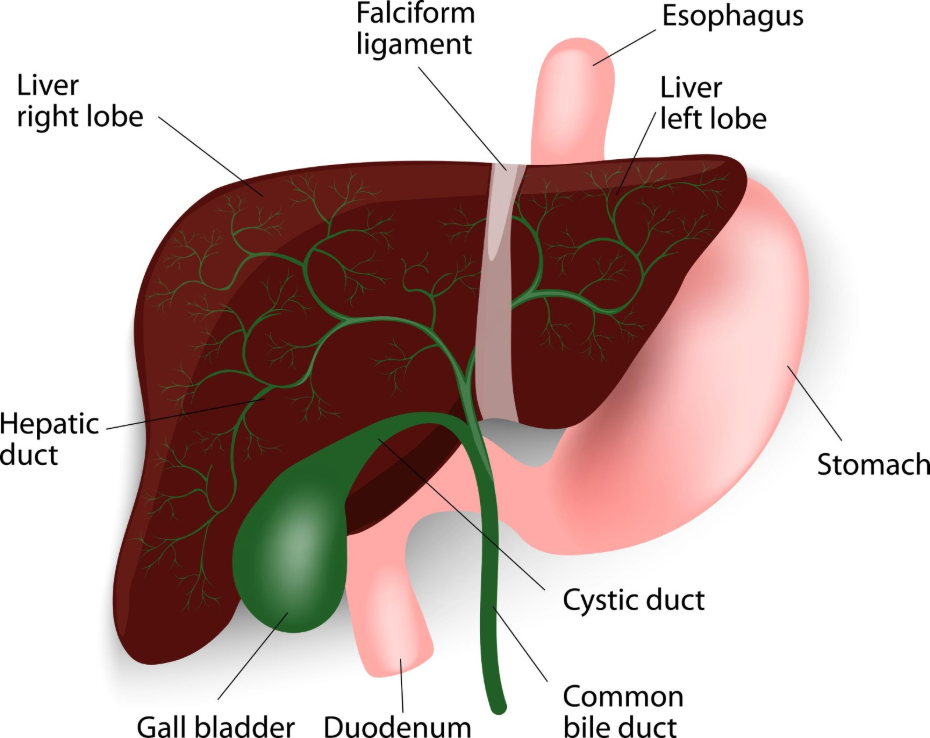
The liver is responsible for filtering bilirubin from the blood, but the constant and rapid destruction of sickle cells can overwhelm this biological system, leading to the yellowing of tissues and the potential formation of pigment gallstones. In the United Kingdom, specialists recognise that the gallbladder can become affected because the excess bilirubin can crystallise into stones within the biliary tract. NICE clinical guidelines indicate that individuals with sickle cell disease should be monitored for gallbladder disease and other complications arising from chronic haemolysis.
| Biological Factor | Healthy Red Blood Cells | Sickled Red Blood Cells |
| Average Lifespan | Approximately 120 days. | Only 10 to 20 days. |
| Bilirubin Production | Low and steady; easily processed. | High and rapid; can overwhelm the liver. |
| Visible Jaundice | Typically absent in healthy adults. | Frequently present as yellowing of eyes. |
| Gallstone Risk | Low in the general population. | High due to chronic pigment accumulation. |
| Liver Function | Maintains normal processing rates. | Under constant stress to filter cell waste. |
In the UK, these biological markers are managed through integrated care plans that prioritise a person-centred approach. Identifying that physical signs like yellowing of the sclera are biological responses to rapid cell death helps the multidisciplinary team select the most effective management strategy. This professional oversight is essential for providing a safe and accurate understanding of the individual’s functional capability. By building a robust evidence base through clinical review, the healthcare system provides a secure environment for long-term health maintenance through the identification of metabolic triggers.
Identifying Physical Markers of Jaundice
Identifying the markers of jaundice in sickle cell disease involves looking for a distinct yellow tint in the whites of the eyes (sclera) and, in some cases, a yellowing of the skin or the lining of the mouth. In the United Kingdom, healthcare professionals focus on these signs during routine reviews to ensure that individuals receive timely support before the underlying rate of cell destruction impacts their daily energy or functional independence.
Common markers monitored in the UK include:
- Scleral Icterus: A visible yellowing of the white part of the eyes.
- Skin Changes: A yellow or orange hue that may be more visible on the palms or soles.
- Dark Urine: Bilirubin being excreted through the kidneys can turn urine a tea-like colour.
- Pale Stools: A sign that the normal flow of bilirubin into the gut is obstructed.
- Leaden Fatigue: An overwhelming tiredness caused by the associated chronic anaemia.
- Abdominal Discomfort: Pain in the upper right side which may indicate gallstones.
- Itching (Pruritus): Caused by the accumulation of bile salts in the skin tissues.
In the UK, the focus is on providing a stable foundation for the individual to move forward with self-understanding. The NHS ensures that children and adults have a consistent point of contact for their health needs while they navigate their lives. By utilised these integrated pathways, the healthcare system provides a secure environment for building long-term health wellbeing across the UK population. This integrated approach ensures that the person’s unique way of functioning is respected within their home and professional environment.
Clinical Monitoring and Diagnostic Procedures
The pathway for managing jaundice and bilirubin levels in the United Kingdom is a coordinated process involving regular blood tests to measure liver function and the rate of haemolysis. This journey ensures that every person receives a thorough review of their history and current environment to build a bespoke recovery plan that supports their long-term wellness. The GOV.UK health pages provide clinical profiles indicating that the monitoring of biological markers is a priority for ensuring integrated support for patients with inherited blood conditions.
Diagnostic procedures in the UK include:
- Liver Function Tests (LFTs): Measuring levels of total and conjugated bilirubin.
- Full Blood Count: Assessing the severity of anaemia and the reticulocyte count.
- Abdominal Ultrasound: Checking the gallbladder and liver for stones or enlargement.
- Urinalysis: Detecting the presence of bilirubin or other metabolic markers.
- Physical Assessment: Reviewing the intensity of jaundice in the eyes and skin.
- Specialist Review: Regular consultations to monitor the progression of chronic haemolysis.
In the UK, the focus is on providing a stable foundation for the individual to move forward with self-understanding. The NHS ensures that adults and children have a consistent point of contact for their health needs. By utilised these integrated pathways, the healthcare system provides a secure environment for building long-term health wellbeing across the UK population. These strategies aim to work with the individual’s biology to restore a sense of purpose.
Conclusion
Sickle cell disease is a primary biological cause of jaundice and yellowing of the eyes due to the rapid and constant breakdown of atypical red blood cells within the UK healthcare framework. The NHS and professional bodies provide a robust system of multidisciplinary assessments and liver function monitoring to help individuals achieve stability and resilience. By focusing on both the biological roots of symptoms and the need for clinical oversight, the system promotes the highest possible level of independence. Following a coordinated management plan with the help of medical experts ensures that unique adult and paediatric needs are addressed holistically.
Why are my eyes yellow but my skin looks normal?
Bilirubin often shows up first in the whites of the eyes because the tissue there has a high affinity for the yellow pigment.
Does the yellowing mean my liver is failing?
Not necessarily; in sickle cell disease, the yellowing is usually caused by too much bilirubin being produced, rather than the liver being unable to work.
Can a pain crisis make the jaundice look worse?
Yes; during a crisis, more red blood cells may break down at once, causing bilirubin levels to rise and the yellowing to become more noticeable.
Is there a medicine to stop the yellowing?
Managing the underlying sickle cell disease is the best way to control the rate of cell breakdown and reduce jaundice.
Are gallstones common if you have yellow eyes?
People with chronic jaundice from sickle cell have a higher biological risk of developing pigment gallstones over time.
Should I be worried if my urine is very dark?
Dark urine can be a sign of high bilirubin or dehydration; you should discuss this with your specialist team or GP.
Who should I talk to first if I notice my eyes are becoming more yellow?
The first point of contact in the United Kingdom is usually your specialist haematology nurse or your GP to arrange a blood review.
Authority Snapshot (E-E-A-T)
This article provides medically factual health education regarding jaundice in sickle cell disease, strictly aligned with NHS and NICE clinical guidelines. The content is developed by a professional medical writing team and reviewed by Dr. Rebecca Fernandez, a UK-trained physician with extensive experience in internal medicine, gynaecology, and emergency care. All information follows current UK public health protocols to ensure clinical accuracy and patient safety.



