




Someone can have mild sickle cell disease with few crises because the clinical severity of the condition is highly variable and influenced by specific genetic factors, such as the type of sickle cell inherited and the level of foetal haemoglobin. In the United Kingdom, healthcare professionals monitor this variability to provide tailored support that maintains systemic stability. By utilising integrated NHS pathways, individuals can access specialist haematology reviews to manage their blood health.
What We’ll Discuss in This Article
- The biological factors that contribute to variable disease severity.
- How different genetic genotypes influence the frequency of crises.
- The protective role of foetal haemoglobin in reducing cell sickling.
- Identifying physical markers of mild versus severe disease courses.
- Clinical diagnostic procedures utilised by the NHS for health monitoring.
- Accessing integrated UK support pathways for specialist clinical reviews.
Genetic Genotypes and Clinical Variability
The clinical course of sickle cell disease varies because there are several different genotypes of the condition, some of which are biologically predisposed to produce fewer crescent-shaped cells and cause fewer vascular blockages. In the United Kingdom, clinical research highlights that while some genotypes lead to frequent hospital admissions, others may result in a more stable health profile with minimal acute episodes. The NHS states that the symptoms of sickle cell disease can vary and some people may have more frequent or severe symptoms than others.
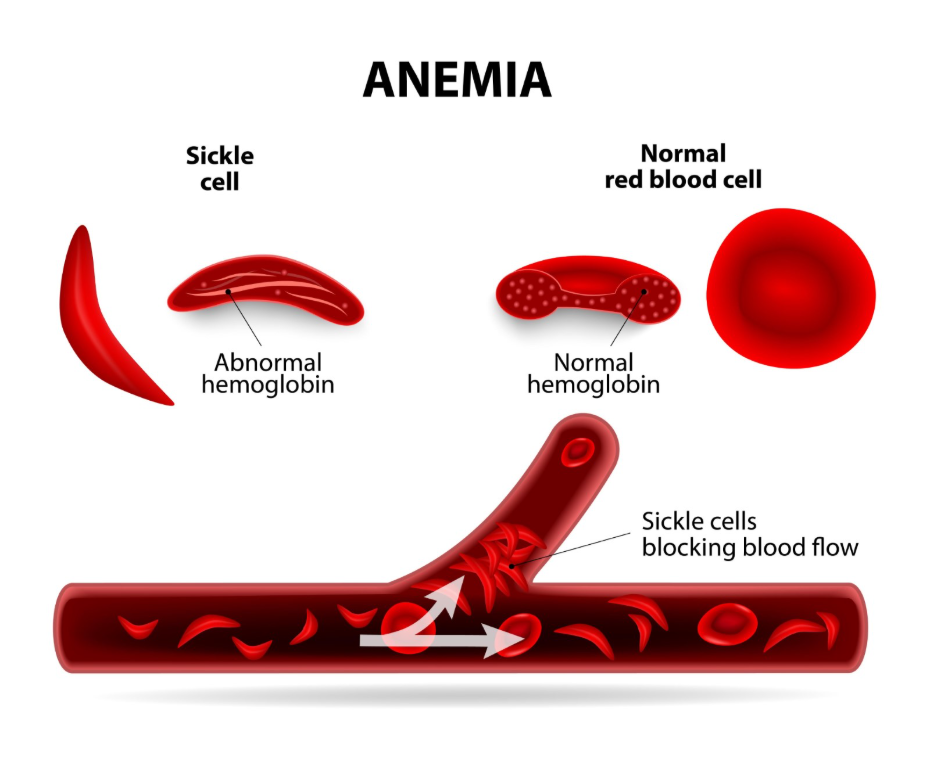
When an individual produces a higher proportion of healthy haemoglobin alongside atypical haemoglobin, the overall flexibility of the red blood cells is better preserved. In the UK, this professional framework provides a stable foundation for the health journey by identifying that genetic makeup is a primary physiological factor. By utilised these integrated pathways, the healthcare system ensures that every person’s profile is supported through evidence-based understanding. This coordinated effort prioritises the safety of the individual within a validated medical environment that focuses on maintaining biological homeostasis.
The Protective Role of Foetal Haemoglobin
High levels of foetal haemoglobin, which is the type of blood present at birth, can significantly reduce the severity of the disease by preventing atypical haemoglobin from sticking together and distorting the red blood cells. In the United Kingdom, specialists recognise that some adults naturally retain more foetal haemoglobin, which acts as a biological shield against the sickling process. NICE clinical guidelines indicate that the management of sickle cell disease should consider individual clinical history and the presence of moderating genetic factors that affect severity.
| Factor | Impact on Severe Course | Impact on Mild Course |
| Crises Frequency | Multiple painful episodes per year. | Rare or very infrequent episodes. |
| Haemoglobin Level | Consistently low; significant anaemia. | Near-normal or mildly low levels. |
| Foetal Haemoglobin | Typically lower levels. | Naturally higher levels. |
| Organ Health | Higher risk of early physiological strain. | Lower risk of acute organ complications. |
| Clinical Need | Frequent specialist intervention required. | Periodic monitoring and lifestyle management. |
In the UK, these biological markers are managed through integrated care plans that prioritise a person-centred approach. Identifying that physical signs like occasional fatigue are biological responses to mild sickling helps the multidisciplinary team select the most effective management strategy. This professional oversight is essential for providing a safe and accurate understanding of the individual’s functional capability. By building a robust evidence base through clinical review, the healthcare system provides a secure environment for long-term health maintenance.
Environmental Triggers and Symptom Control
Individual lifestyle factors and the avoidance of known environmental triggers also play a major role in why some people experience a milder version of the condition with fewer painful crises. In the United Kingdom, healthcare professionals provide education on maintaining high hydration levels and avoiding sudden temperature changes to prevent the initiation of the sickling process. The GOV.UK health pages provide clinical profiles indicating that the monitoring of biological markers is a priority for ensuring integrated support for patients with inherited blood conditions.
When the body remains hydrated and warm, the blood flows more easily through the capillaries, reducing the mechanical risk of clumping. In the UK, the focus is on providing a stable foundation where the individual’s history and systemic health are reviewed regularly by a specialist haematology team. Identifying these underlying drivers allows for more targeted help that addresses the actual biological cause of health stability. By utilised these professional frameworks, the UK system provides a life-long framework of support that adapts to the person’s needs.
Identifying Physical Markers of the Condition
Identifying the markers of sickle cell disease involve looking for a combination of physical indicators that suggest a restriction in blood flow or a chronic state of low oxygen, regardless of the perceived severity. In the United Kingdom, healthcare professionals focus on these signs during routine reviews to ensure that individuals receive timely support before symptoms impact their daily lives or functional independence.
Common markers monitored in the UK include:
- Occasional Pain: Mild to moderate discomfort in the bones or joints during stress.
- Leaden Fatigue: A sense of tiredness that can fluctuate with biological demand.
- Visible Jaundice: Slight yellowing of the eyes or skin during periods of cell breakdown.
- Shortness of Breath: Feeling winded during intense physical activity or illness.
- Cold Sensitivity: Noticing that cold weather or water triggers physical discomfort.
- Reduced Stamina: Finding that recovery from physical effort takes longer than usual.
- Paleness: A loss of colour in the skin and the lining of the lower eyelids.
In the UK, the focus is on providing a stable foundation for the individual to move forward with self-understanding. The NHS ensures that children and adults have a consistent point of contact for their health needs while they navigate their lives. By utilised these integrated pathways, the healthcare system provides a secure environment for building long-term health wellbeing across the UK population. This integrated approach ensures that the person’s unique way of functioning is respected within their home and professional environment.
Accessing Integrated NHS Support Pathways
The pathway for managing all forms of sickle cell disease in the United Kingdom is a coordinated process involving newborn screening, primary care, and specialist hospital reviews. This journey ensures that every person receives a thorough review of their history and current environment to build a bespoke recovery plan that supports their long-term wellness and functional independence.
The UK integrated support pathway involves:
- Newborn Screening: Universal heel-prick testing offered shortly after birth.
- Haemoglobin Electrophoresis: A blood test used to identify the specific genetic type.
- Full Blood Count: Measuring haemoglobin concentration and red blood cell indices.
- Specialist Review: Regular consultations to monitor organ health and blood stability.
- Crisis Management Plan: Developing a protocol even for those with mild symptoms.
- Genetic Counselling: Professional advice for understanding inheritance and status.
In the UK, the focus is on providing a stable foundation for the individual to move forward with self-understanding. The NHS ensures that adults and children have a consistent point of contact for their health needs. By utilised these integrated pathways, the healthcare system provides a secure environment for building long-term health wellbeing across the UK population. These strategies aim to work with the individual’s biology to restore a sense of purpose.
Conclusion
Sickle cell disease presents with variable severity, and many individuals in the UK experience a mild clinical course with few crises due to protective genetic factors. The NHS and professional bodies provide a robust system of multidisciplinary assessments and specialist monitoring to help all individuals achieve stability and resilience. By focusing on both the biological roots of symptoms and the need for clinical oversight, the system promotes the highest possible level of independence. Following a coordinated management plan with the help of medical experts ensures that unique adult and paediatric needs are addressed holistically.
If you experience severe, sudden, or worsening symptoms, call 999 immediately.
Can mild sickle cell disease become more severe over time?
The genetic type does not change, but doctors monitor your organ health as you age to ensure the condition remains well-managed.
Does having few crises mean I do not need a specialist?
Even with mild symptoms, regular specialist reviews are necessary in the UK to monitor for quiet biological changes in your organs.
How does the doctor know which type of sickle cell I have?
UK clinicians use a specific blood test called haemoglobin electrophoresis to identify the genetic makeup of your haemoglobin.
Why do some people with the disease never have a crisis?
Some individuals have specific genetic modifiers, like very high foetal haemoglobin, that prevent their cells from sickling easily.
Is mild sickle cell the same as being a carrier?
No; people with mild disease have two sickle genes, while carriers (sickle cell trait) have only one and generally have no symptoms.
Can a healthy diet reduce the number of crises?
A balanced diet and excellent hydration support your general health and help keep your blood flowing smoothly through your vessels.
Who should I talk to first if I want to understand my symptoms better?
The first point of contact in the United Kingdom is usually your GP or your specialist haematology nurse to discuss your history.
Authority Snapshot (E-E-A-T)
This article provides medically factual health education regarding the variability of sickle cell disease, strictly aligned with NHS and NICE clinical guidelines. The content is developed by a professional medical writing team and reviewed by Dr. Rebecca Fernandez, a UK-trained physician with extensive experience in internal medicine, cardiology, and emergency care. All information follows current UK public health protocols to ensure clinical accuracy and patient safety.



