




Most individuals return to a completely normal life shortly after having colon polyps removed, as the procedure is minimally invasive and focuses on eliminating potential risks to long-term bowel health. A polypectomy, the clinical term for the removal of these small tissue growths, is typically performed during a colonoscopy and does not require major surgery or a long recovery period. In the United Kingdom, healthcare professionals prioritise the removal of polyps because it is a highly effective preventative measure that interrupts the biological progression of abnormal cells. Once the procedure is complete and the immediate recovery phase has passed, there are generally no permanent restrictions on physical activity, employment, or travel. While a patient may be placed on a structured surveillance programme to monitor for new growths over the following years, their daily quality of life remains largely unchanged. Maintaining a healthy lifestyle and participating in scheduled follow-ups ensure that the colon remains functionally stable. Understanding the recovery process and the role of long-term monitoring helps individuals feel confident in returning to their regular routines. By following evidence-based guidance from national health authorities, patients can transition from a diagnostic finding to a proactive state of bowel health maintenance.
What We’ll Discuss in This Article
- Immediate recovery expectations following a polypectomy.
- Resuming daily activities, diet, and physical exercise.
- The role of pathology results in determining long-term surveillance.
- Lifestyle adjustments to support a healthy colon environment.
- Understanding the risk of recurrence and how it is monitored.
- UK clinical pathways for post-procedure care and bowel screening.
Immediate Recovery and Resuming Daily Routine
The immediate recovery following the removal of colon polyps is usually rapid, allowing most patients to return to their normal daily routine within twenty-four hours of the procedure. Because the removal is performed internally through a colonoscope, there are no external incisions or stitches to manage. The NHS states that most people can go home on the same day as their colonoscopy and resume normal activities the following day, although you should avoid driving for 24 hours if you had sedation.
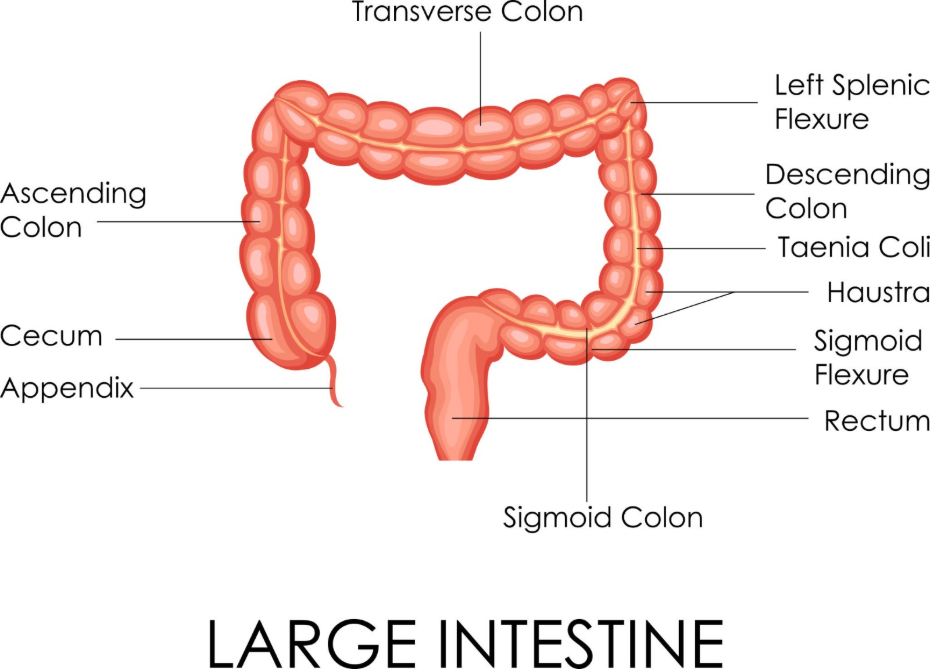
Patients may experience some mild bloating or wind for a few hours after the procedure due to the air used to inflate the bowel during the examination. This usually resolves quickly with movement and light walking. If a larger polyp was removed using heat (cautery), a tiny raw area is left on the bowel lining that heals naturally like a small graze. During this initial healing phase, which takes about a week, clinicians may advise avoiding very heavy lifting or intense abdominal straining. However, for the vast majority of UK patients, the impact on their schedule is minimal. The ability to return to work and social activities almost immediately is a significant benefit of this endoscopic approach to bowel health.
Dietary Transitions and Bowel Stability
Individuals can typically return to their regular diet immediately after polyp removal, although a gradual reintroduction of high-fibre foods is sometimes recommended to ensure the bowel remains stable. The inner lining of the colon does not have the same pain receptors as the skin, so eating does not cause discomfort at the site where the polyp was removed.
In the United Kingdom, patients are encouraged to stay well-hydrated to help the bowel resume its natural rhythmic contractions. While there are no specific foods that are prohibited after a polypectomy, maintaining a balanced intake is essential for preventing the constipation that could put pressure on the healing area. NICE clinical guidelines for colorectal cancer prevention emphasise that a long-term diet high in fibre and low in processed meats is associated with a healthier colon environment following the removal of polyps.
| Recovery Phase | Typical Duration | Dietary Guidance |
| Immediate (24h) | 1 day. | Light meals; plenty of fluids. |
| Healing (1 week) | 7 days. | Normal diet; avoid excess caffeine. |
| Long-term | Permanent. | High fibre (30g per day); low red meat. |
This transition back to a normal, healthy diet is a key part of living a normal life. By focusing on whole grains, fruits, and vegetables, patients can support the cellular health of their colon lining. This proactive nutritional approach ensures that the bowel functions effectively while reducing the likelihood of future structural or inflammatory issues.
Understanding Long-Term Surveillance and Normalcy
Living a normal life after polyp removal includes participating in a structured surveillance programme, which acts as a routine safety check rather than a limitation on one’s lifestyle. Because individuals who have had polyps are statistically more likely to develop new ones, the UK healthcare system schedules repeat colonoscopies at specific intervals.
The timing of these checks, which could be every one, three, or five years, is determined by the size and type of the polyps removed. NICE clinical guidelines indicate that surveillance intervals are based on the risk of future polyps as determined by the initial pathology report. For the patient, this means having a scheduled hospital appointment once every few years, similar to a routine dental check or eye exam. Between these appointments, there is no need for constant medical intervention or monitoring. This system provides peace of mind, allowing individuals to go about their lives knowing that their bowel health is being professionally managed. It transforms a potential health concern into a manageable, periodic health maintenance task.
Physical Activity and Travel After Polypectomy
There are no long-term restrictions on physical activity or travel once the initial one-week healing period after polyp removal has passed. Exercise is actually encouraged as part of a healthy lifestyle because it stimulates bowel motility and helps maintain a healthy weight, both of which support colon health.
Patients who enjoy swimming, running, or gym-based workouts can usually return to these activities within a few days, depending on the advice given by their specific clinical team. Travel is also perfectly safe, including long-haul flights. In the United Kingdom, clinicians only advise caution regarding travel in the first few days after a very large polyp removal, purely to ensure the patient is near medical care in the rare event of delayed bleeding. Once this short window has closed, individuals can live as actively as they did before the procedure. The goal of removing polyps is to ensure a long and healthy life, and the UK medical framework supports patients in maintaining all their usual hobbies and commitments.
The Role of Lifestyle in Preventing Recurrence
Living a normal life after polyps often involves adopting permanent healthy habits that reduce the environment for new growths to form, such as maintaining a high-fibre diet and staying active. These changes are not “restrictions” but rather positive adjustments that benefit overall health.
The GOV.UK health pages indicate that lifestyle factors like reducing alcohol intake and stopping smoking can significantly support the long-term health of the bowel lining. By incorporating more plant-based foods and staying well-hydrated, individuals help ensure that waste moves efficiently through the colon. This prevents the stagnation that can irritate the mucosal surface. For many people, the removal of a polyp serves as a helpful reminder to prioritise these habits. These changes do not prevent someone from enjoying food or socialising; instead, they provide a sustainable way to protect the colon while living fully. In the UK, these recommendations are part of the standard post-polypectomy care plan, aimed at ensuring the best possible outcome for every patient.
UK Clinical Protocols for Continued Bowel Health
The United Kingdom uses integrated care pathways to ensure that patients who have had polyps removed are supported by both their GP and hospital specialists. This coordinated effort ensures that any new symptoms are investigated promptly and that the patient is never left without a clear plan for their future care.
The UK pathway for post-polypectomy care includes:
- Pathology Review: Providing clear information on the type of polyp found and what it means.
- Surveillance Planning: Setting a clear date for the next check-up based on national standards.
- Screening Integration: Moving patients back to the national home-based screening programme when appropriate.
- Symptom Awareness: Educating patients on red-flag signs, such as persistent habit changes.
This structured approach allows the patient to focus on their life rather than their diagnosis. The NHS provides the necessary clinical oversight, allowing the individual to remain active and healthy. By adhering to this pathway, patients can be confident that they are doing everything possible to maintain their gastrointestinal health while enjoying a completely normal, unrestricted lifestyle.
Conclusion
Living a normal life after polyp removal is the standard outcome for the vast majority of patients in the UK. The recovery is swift, allowing for a quick return to work, exercise, and a regular diet within days. While long-term surveillance is necessary to monitor for new growths, these periodic checks do not interfere with daily activities or quality of life. Adopting a high-fibre diet and staying active are the most effective ways to support the colon after a polypectomy. Consistent participation in follow-up care ensures that your bowel remains healthy for years to come. If you experience severe, sudden, or worsening symptoms, call 999 immediately.
How soon can I go back to work after having a polyp removed?
Most people can return to work the day after their procedure, although you may need an extra day if your job involves heavy physical labour.
Will I have pain where the polyp was taken out?
No; the inside of your colon does not have the nerves to feel the removal, so you should not feel any soreness at the site.
Can I fly on a plane after a polypectomy?
UK clinicians usually advise waiting a few days to a week after a large polyp removal before flying, just as a safety precaution.
Do I need to take any medication after the procedure?
Usually no; unless there are specific complications, you will not need antibiotics or special medicines after a routine polyp removal.
Will my polyps definitely come back?
Not necessarily, but you are at a higher risk of developing new ones, which is why regular surveillance is so important.
Can I still use a home screening kit if I’ve had polyps?
Yes, but if you are already on a hospital surveillance programme, that will take priority over the standard home kit.
What should I do if I see a small amount of blood after the procedure?
A tiny amount of blood in the first 24 hours can be normal, but you should contact your hospital team if you have concerns or if it persists.
Authority Snapshot (E-E-A-T)
This article provides medically factual health education regarding life after polyp removal, strictly aligned with NHS and NICE clinical guidelines. The content is developed by a professional medical writing team and reviewed by Dr. Stefan Petrov, a UK-trained physician with experience in emergency care, general surgery, and clinical education. All information follows current UK public health protocols to ensure clinical accuracy and patient safety.



