




Coeliac disease is a chronic autoimmune condition where the ingestion of gluten causes the immune system to attack the healthy lining of the small intestine. When this condition remains undiagnosed or untreated, the persistent inflammatory response leads to significant structural damage that prevents the body from absorbing essential nutrients. This lack of nutrition, combined with chronic systemic inflammation, can lead to a variety of serious medical complications affecting multiple organ systems. In the United Kingdom, healthcare professionals emphasise early diagnosis and strict dietary adherence as the primary methods for preventing permanent injury to the body and ensuring long-term health and well-being.
What We’ll Discuss in This Article
- The biological mechanism of intestinal damage in coeliac disease
- Impact of long-term malabsorption on bone density and health
- Neurological and psychological complications of untreated disease
- Risks associated with chronic iron and vitamin deficiencies
- Development of secondary autoimmune conditions and illnesses
- The importance of a strict gluten-free diet in preventing damage
Untreated coeliac disease causes significant long-term damage to the small intestine and increases the risk of serious systemic complications
The most immediate long-term damage occurs in the small intestine, where the tiny finger-like projections called villi become flattened and destroyed by the body’s own immune system. Coeliac disease is an autoimmune condition where the immune system attacks healthy tissue whenever gluten is consumed, leading to a state of chronic inflammation.
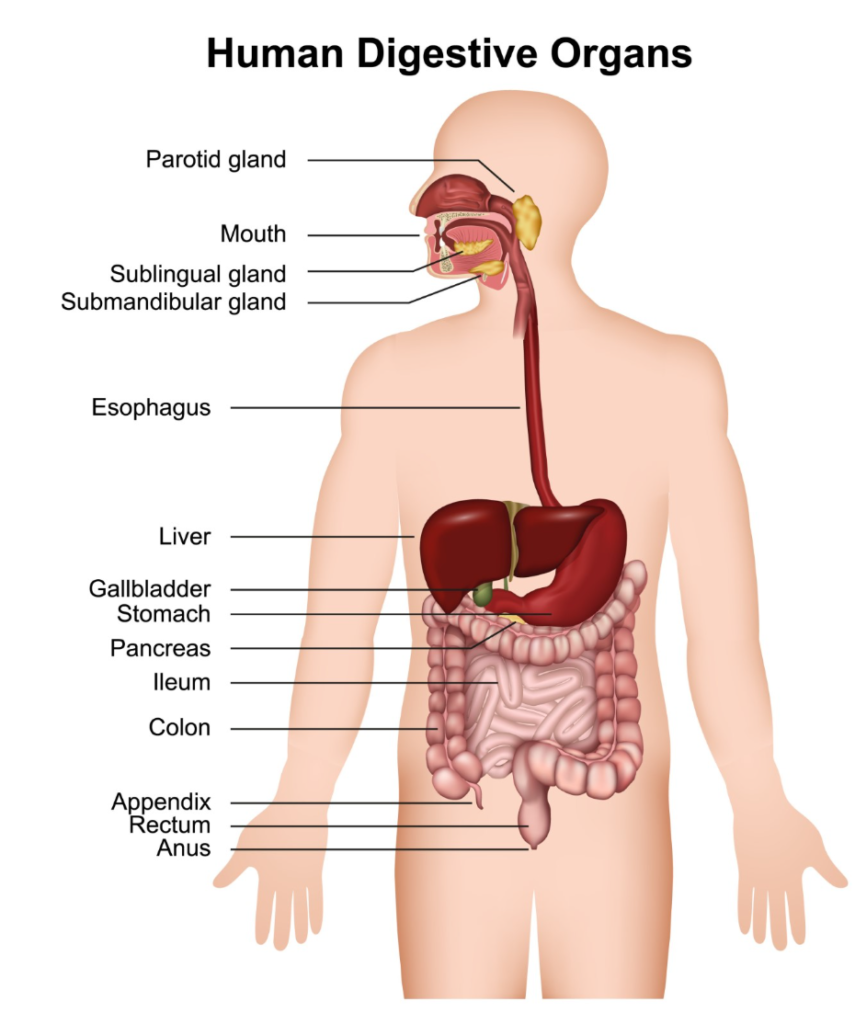
This physical destruction of the gut lining means the body can no longer absorb the vitamins and minerals required for normal function. Over time, untreated coeliac disease can lead to several complications, including malnutrition and osteoporosis, as the skeletal and nervous systems are deprived of the essential building blocks they need to remain healthy.
Chronic malabsorption and its impact on bone health
One of the most common long-term consequences of untreated coeliac disease is a significant reduction in bone mineral density. Because the damaged intestine cannot effectively absorb calcium and vitamin D, the body begins to draw these minerals from the skeleton to maintain other vital functions. According to the National Institute for Health and Care Excellence, coeliac disease should be considered in people with unexplained bone symptoms, such as early onset osteoporosis or frequent fractures. This weakening of the bones is often silent and may not be identified until a significant injury occurs, making early intervention and dietary management vital for protecting the skeletal system throughout life.
Neurological and psychological complications
Long-term exposure to gluten in individuals with coeliac disease can lead to neurological damage, often referred to as gluten ataxia or peripheral neuropathy. These conditions occur when the immune response affects the nervous system, potentially leading to issues with balance, coordination, or persistent numbness and tingling in the hands and feet. Furthermore, the systemic inflammation and nutrient Lack associated with the disease can contribute to psychological issues, including persistent anxiety and low mood. Addressing the underlying autoimmune reaction through a strict diet is essential for stabilising the nervous system and preventing the progression of these neurological symptoms.
Risks of secondary autoimmune conditions and associated illnesses
Individuals who live with untreated coeliac disease for many years may be at a higher risk of developing other autoimmune disorders. The constant state of immune activation can make the body more likely to misidentify other healthy tissues as threats, potentially leading to conditions such as Type 1 diabetes or autoimmune thyroid disease. While rare, long-term untreated coeliac disease is also associated with an increased risk of certain types of small bowel cancer, specifically intestinal lymphoma. However, clinical evidence shows that following a strict gluten-free diet significantly reduces these risks by allowing the intestinal lining to heal and the immune system to return to a resting state.
Conclusion
Untreated coeliac disease can cause extensive long-term damage, primarily through the destruction of the intestinal lining and the resulting malabsorption of essential nutrients. This can lead to serious conditions such as osteoporosis, iron deficiency anaemia, and neurological disturbances. Adhering to a strict, lifelong gluten-free diet is the only effective way to stop the autoimmune attack, allow the body to heal, and prevent these life-altering complications. If you experience severe, sudden, or worsening symptoms, call 999 immediately.
Can the intestinal damage be reversed?
In most cases, the small intestine can heal completely once gluten is strictly removed from the diet, though this process can take several months or years.
Does untreated coeliac disease cause infertility?
Yes, chronic malabsorption of specific nutrients like zinc and folic acid can lead to reproductive issues and unexplained infertility in both men and women.
Is the bone damage permanent?
While some bone density can be regained through a gluten-free diet and supplementation, early damage may lead to long-term issues like osteoporosis that require separate management.
Why does untreated coeliac disease cause extreme fatigue?
Persistent fatigue is usually the result of iron deficiency anaemia or other vitamin deficiencies caused by the damaged gut’s inability to absorb nutrients.
Can children suffer long-term damage from coeliac disease?
Yes, untreated children may experience stunted growth, delayed puberty, and dental enamel defects that can have lifelong impacts.
How long does it take for complications to develop?
The timeline varies, but systemic damage often accumulates over many years of undiagnosed or poorly managed disease.
Will a gluten-free diet prevent all complications?
Strict adherence to the diet is the best way to prevent complications, though some individuals may still require monitoring for associated autoimmune conditions.
Authority Snapshot (E-E-A-T Block)
This article was created by the Medical Content Team to provide clear, UK-focused education on the long-term risks of coeliac disease. The content has been reviewed by Dr. Rebecca Fernandez, a UK-trained physician, to ensure complete alignment with current NHS and NICE clinical guidance. Our purpose is to help the general public understand the importance of autoimmune health management through factual and restrained reporting.



