




Probiotics are live bacteria and yeasts that are often promoted for their potential to support gut health and alleviate symptoms such as abdominal pressure or distension. Bloating itself is a common sensation where the stomach feels full and tight, often due to an accumulation of gas or slow digestive transit. In the United Kingdom, many individuals explore the use of probiotic supplements or fermented foods as a means of improving their digestive comfort and maintaining a balanced gut environment.
What We’ll Discuss in This Article
- The biological function of probiotics in the gut microbiome
- Clinical evidence for using probiotics to manage abdominal bloating
- Guidance from national health bodies on specific gut disorders
- How to select and trial a probiotic product effectively
- Potential initial reactions and safety considerations for users
- The importance of a holistic approach to digestive health
The Role of Probiotics in Digestive Health
Probiotics work by interacting with the existing community of microorganisms in the large intestine to maintain a balanced environment that supports efficient digestion. The human gut is home to trillions of bacteria, collectively known as the microbiome, which play a vital role in breaking down food and regulating the immune system. When the balance of these bacteria is disrupted, it can lead to increased fermentation and the production of excess gas.
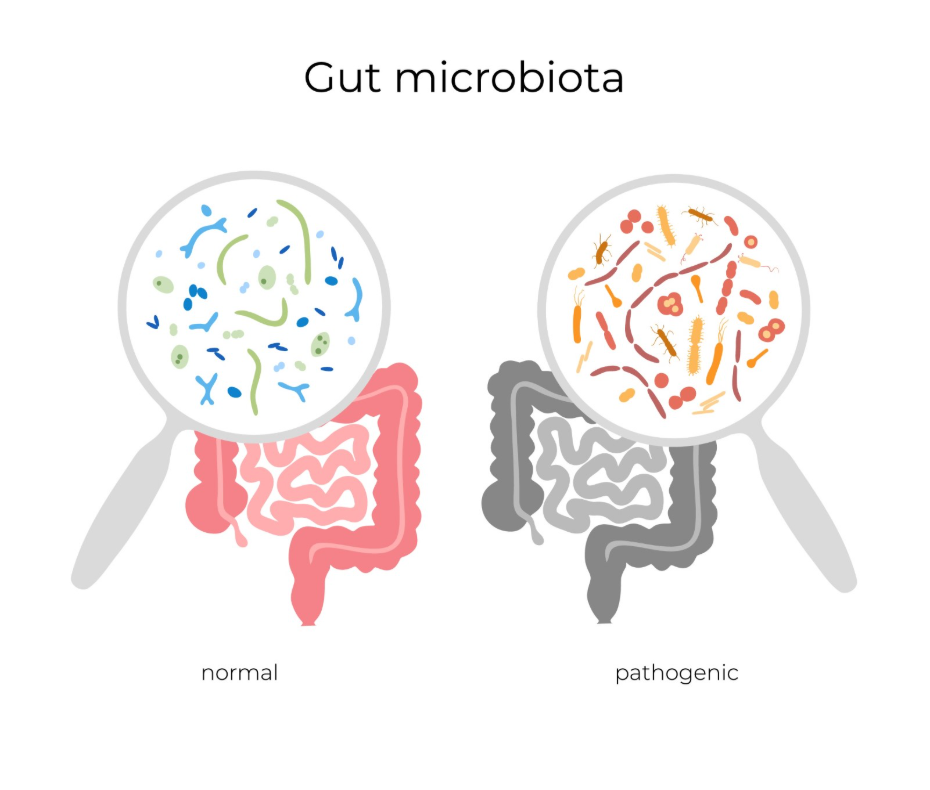
By introducing specific beneficial strains of bacteria, probiotics may help to crowd out less desirable microorganisms that produce high volumes of gas. This interaction can also influence gut motility, which is the speed at which food and waste move through the digestive tract. If waste moves too slowly, it provides more time for bacteria to ferment undigested food, leading to the sensation of being bloated. Probiotics aim to stabilise this process and encourage more regular bowel movements.
Evidence for Probiotics in Managing Bloating
Clinical studies suggest that specific strains of probiotics may help reduce abdominal bloating by altering the way gut bacteria produce and process gas. While results can vary between individuals, certain types of bacteria, particularly those from the Bifidobacterium and Lactobacillus families, have shown promise in reducing the frequency and severity of abdominal distension. These bacteria may help to reduce the amount of hydrogen and methane produced during the fermentation of carbohydrates.
Bloating is most often caused by a buildup of gas in the digestive system, which can be linked to specific foods or habits like swallowing too much air. Because probiotics can influence the metabolic activity of the microbiome, they may help the body process gas more effectively or reduce its overall production. It is important to note that probiotics are categorised as food supplements in the UK rather than medicines, meaning their effects are often supportive rather than curative.
Probiotics and Irritable Bowel Syndrome
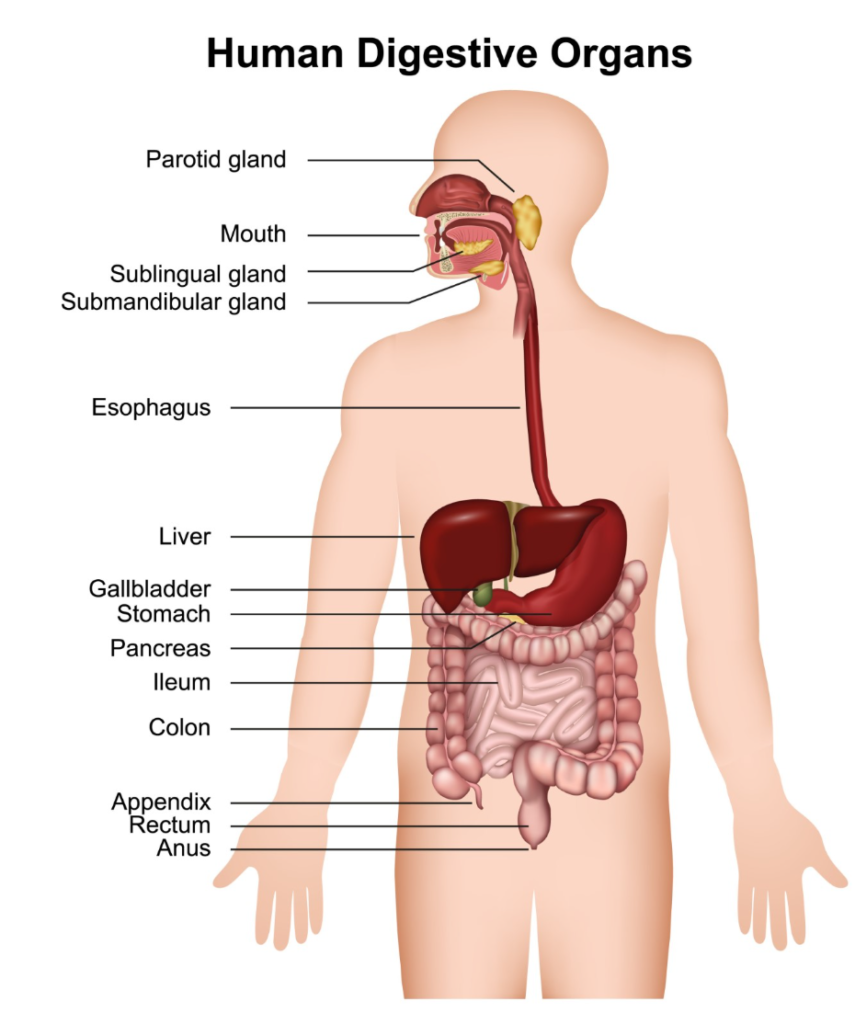
National clinical guidelines indicate that probiotics can be a useful tool for managing symptoms of Irritable Bowel Syndrome, provided they are trialled for an adequate duration. Irritable Bowel Syndrome is a common condition that affects the digestive system, often causing recurring bouts of bloating, stomach cramps, and changes in bowel habits. For many patients, the gut is hypersensitive to the presence of gas, making the sensation of bloating feel more intense.
The National Institute for Health and Care Excellence suggests that probiotics should be taken for at least four weeks to monitor their effect on symptoms such as bloating and abdominal pain. This recommendation emphasises that the gut environment takes time to adjust to new bacterial strains. If a particular brand or strain does not provide relief after a month, it is often suggested to stop or try a different product, as different formulations contain different concentrations and types of bacteria.
Selecting Strains and Trial Periods
Choosing a probiotic for bloating requires a consistent trial of at least four weeks to determine if a specific strain is beneficial for an individual’s unique gut environment. Not all probiotics are the same, and a product that works for one person may not be effective for another. This is because every individual has a unique microbiome composition, influenced by diet, genetics, and past antibiotic use.
When selecting a product, it is helpful to look for those that specify the strain of bacteria, not just the genus and species. For example, a label might list Bifidobacterium infantas 35624, which has been studied specifically for its effects on gut symptoms. Consistency is key during the trial period; taking the supplement at the same time each day helps to maintain a steady population of the beneficial bacteria in the colon. If no improvement is noted after four weeks, it is generally considered that the specific product is not suitable for that individual.
Initial Side Effects and Safety
Some people may experience a temporary increase in gas or bloating when first starting a probiotic as the gut microbiome begins to adjust to the new bacteria. This is often a normal reaction as the existing microbial community reorganises itself. These initial symptoms usually settle within a few days or a week as the body becomes accustomed to the supplement. It is often recommended to start with a lower dose and gradually increase it to minimise this initial discomfort.
While probiotics are safe for the vast majority of people, they may not be suitable for everyone, particularly those with severely weakened immune systems or those who are critically ill. In these cases, introducing live bacteria could potentially lead to infections. It is also important to check the ingredients of probiotic supplements for potential allergens, such as lactose or traces of soya, which could inadvertently trigger bloating in sensitive individuals.
Limitations and the Importance of a Holistic Approach
Probiotics are most effective when used alongside a balanced diet and are not a replacement for investigating persistent or unusual symptoms. Diet plays a fundamental role in gut health, and consuming adequate fibre and staying hydrated are essential for preventing constipation, which is a major contributor to bloating. Probiotics work best when they have a “fuel” source, often referred to as prebiotics, which are found in foods like leeks, onions, and bananas.
It is important to seek medical advice for any persistent change in bowel habit that lasts for three weeks or more to ensure there are no underlying health concerns. Relying solely on probiotics to manage symptoms can sometimes delay the identification of more serious issues such as coeliac disease or inflammatory conditions. A holistic approach involves monitoring dietary triggers, managing stress levels, and ensuring that any new or worsening symptoms are assessed by a professional.
Conclusion
Probiotics may assist in reducing bloating by supporting a balanced gut microbiome and improving the way the body processes gas. While they are a recognised option for managing functional gut symptoms, they require a consistent trial period of at least four weeks to demonstrate efficacy. They are most beneficial when integrated into a healthy lifestyle that includes a balanced diet and regular physical activity. If you experience severe, sudden, or worsening symptoms, call 999 immediately.
How long does it take for probiotics to work?
Clinical guidelines suggest trialling a probiotic for at least four weeks to accurately monitor its impact on symptoms like bloating.
Can I get probiotics from food instead of supplements?
Yes, fermented foods such as live yoghurt, kefir, sauerkraut, kimchi, and kombucha are natural sources of beneficial live bacteria.
Is it possible for probiotics to make bloating worse?
Some individuals experience a temporary increase in gas and bloating during the first few days of use as the gut microbiome adjusts.
Should I take probiotics every day?
For the best results during a trial period, it is usually recommended to take probiotics daily to maintain a consistent presence in the gut.
Are probiotics safe for everyone?
Most people can safely use probiotics, but individuals with compromised immune systems or serious underlying health conditions should be cautious.
What is the difference between prebiotics and probiotics?
Probiotics are the live beneficial bacteria themselves, while prebiotics are types of fibre that act as food for these bacteria.
Authority Snapshot (E-E-A-T)
This medical education content is designed to provide accurate, evidence-based information to help the UK public understand the use of probiotics for digestive health. The material is developed by a professional medical writing team and reviewed by Dr. Rebecca Fernandez, a UK-trained physician with extensive experience across internal medicine, surgery, and acute care. All information provided is strictly aligned with the clinical standards and quality protocols set by the NHS and the National Institute for Health and Care Excellence (NICE).



