




Diverticulitis does not increase the biological chance of developing colon polyps, as these two conditions arise from different structural and cellular mechanisms within the large intestine. While diverticulitis is an inflammatory condition affecting small pouches that bulge outward from the colon wall, polyps are clumps of cells that grow inward from the lining of the bowel. Although both conditions become more prevalent with age and are frequently identified during the same clinical investigations, one does not cause the other. In the United Kingdom, healthcare professionals manage these conditions as separate entities with distinct long-term risks and treatment pathways. Understanding that an inflammatory pouch does not lead to a cellular overgrowth is essential for patients navigating gastrointestinal health. By distinguishing between these two issues, the UK healthcare system ensures that patients receive appropriate acute care for inflammation while maintaining a structured approach to preventative cancer screening.
What We’ll Discuss in This Article
- The structural differences between diverticula and colon polyps.
- Why these two conditions often appear together in the same patient.
- The lack of a causal link between bowel inflammation and cellular overgrowth.
- Shared modifiable risk factors that independently impact both conditions.
- UK clinical protocols for investigating the bowel after a flare-up.
- The importance of separate screening pathways for long-term health.
Structural Anatomy and Biological Origins
The primary reason diverticulitis does not lead to polyps is that they involve entirely different layers and directions of growth within the colon. Diverticulitis involves diverticula, which are small pockets created when the inner lining of the colon pushes through weakened areas in the outer muscular layer. The NHS states that diverticular disease and diverticulitis are related conditions where small bulges develop in the lining of the large intestine.
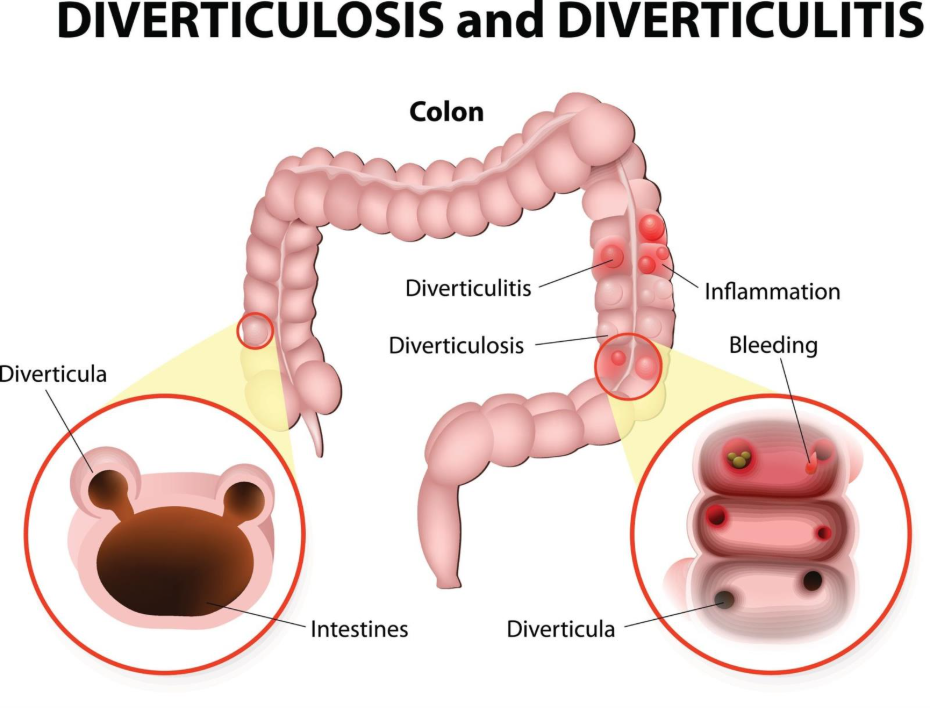
In contrast, a colon polyp is a protrusion formed by the overgrowth of cells on the mucosa, the innermost lining, extending into the space where waste passes. Because diverticula bulge outward and polyps grow inward, there is no physical mechanism by which an inflamed pouch can trigger the formation of a polyp. Each condition reflects a different type of structural change: diverticulitis is a failure of the muscular wall’s integrity under pressure, while a polyp is a failure of regulated cell division.
Why Both Conditions Often Co-occur
While one condition does not cause the other, diverticulitis and polyps frequently co-occur because they share age-related and lifestyle risk factors that affect the bowel simultaneously. As individuals get older, the colon wall naturally loses elasticity, making diverticula more likely to form, and the genetic mechanisms governing cell renewal become less precise, increasing the chance of polyps.
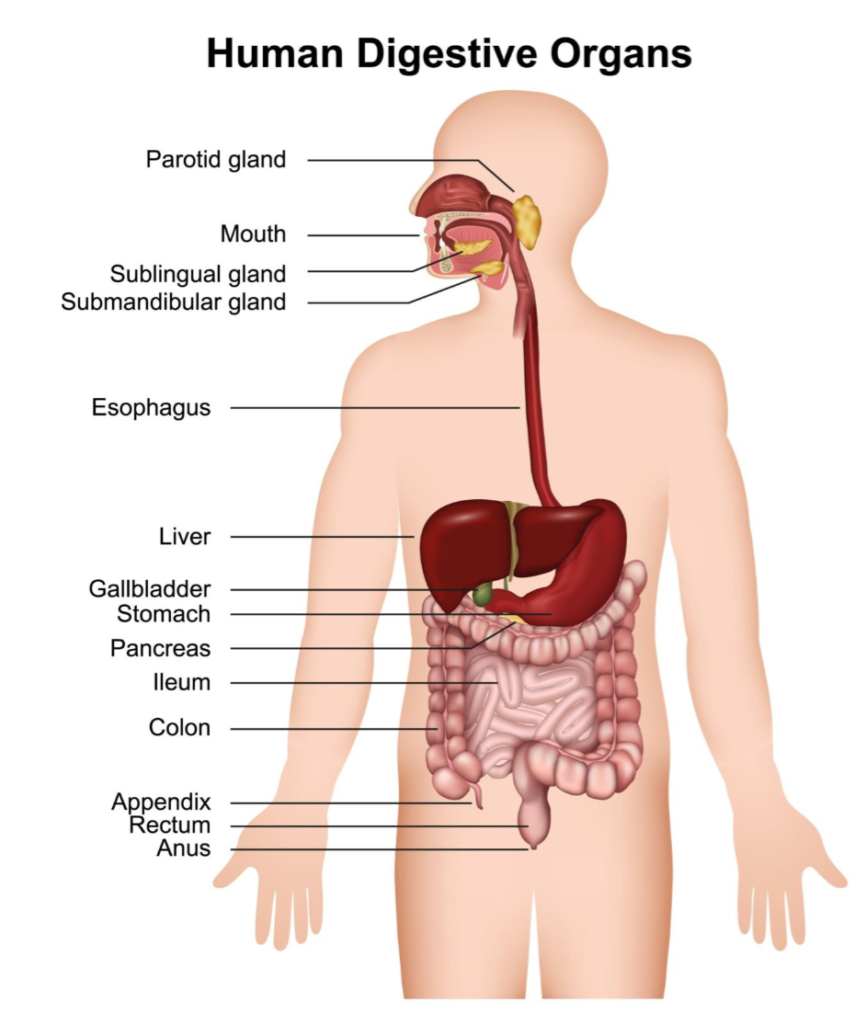
NICE clinical guidelines for diverticular disease management and colorectal cancer prevention both identify increasing age as the most significant non-modifiable risk factor for structural bowel changes. Decades of processing waste and the cumulative impact of dietary choices mean that by the time an individual reaches their 50s or 60s, the environment of the colon is susceptible to both pressure-related protrusions and cellular mutations. In the UK, finding both conditions during a diagnostic procedure is considered a common clinical observation rather than evidence of a causal relationship between them.
Distinct Pathological Pathways and Risks
The long-term health risks associated with diverticulitis are fundamentally different from those associated with polyps, requiring separate clinical management strategies. Diverticulitis is defined by acute episodes of inflammation or infection, which can lead to complications such as abscesses, perforations, or bowel obstructions if not managed.
Polyps, particularly adenomatous polyps, are monitored because of their potential to undergo further genetic changes and progress toward bowel cancer over many years. NICE clinical guidelines for colorectal cancer prevention emphasise that the removal of polyps is a key preventative measure because it interrupts the slow progression of cellular changes.
| Feature | Diverticulitis | Colon Polyps |
| Growth Direction | Outward (away from the bowel). | Inward (into the bowel). |
| Primary Concern | Acute infection and inflammation. | Potential for malignancy over time. |
| Typical Symptoms | Severe abdominal pain and fever. | Usually none (found via screening). |
| UK Management | Antibiotics or bowel rest. | Physical removal (polypectomy). |
This comparison highlights that while diverticulitis focuses on resolving an acute crisis, the management of polyps focuses on long-term risk reduction.
Shared Risk Factors and the Influence of Fibre
Although diverticulitis does not cause polyps, they both share modifiable risk factors, such as a low-fibre diet and obesity, which independently increase the likelihood of developing both conditions. Fibre is essential for maintaining soft, bulky stools that move easily through the colon. In diverticular disease, this reduces the internal pressure that pushes diverticula through the muscle wall.
In the context of polyps, a high-fibre diet is thought to reduce the amount of time that potential toxins or irritants are in contact with the bowel lining. In the United Kingdom, public health guidance prioritises a balanced, high-fibre diet as a cornerstone of general bowel health. Other factors, such as a sedentary lifestyle and a high intake of red or processed meats, can also increase systemic inflammation and slow down bowel transit, thereby increasing the separate risks for both pouch inflammation and cellular overgrowth.
Clinical Investigation Pathways in the UK
The UK healthcare system uses structured diagnostic pathways to ensure that when one condition is suspected, the other is also screened for if appropriate. When a patient presents with symptoms of diverticulitis, such as lower left abdominal pain, a CT scan is often used to confirm the inflammation. However, once the acute inflammation has resolved, a follow-up colonoscopy is often scheduled.
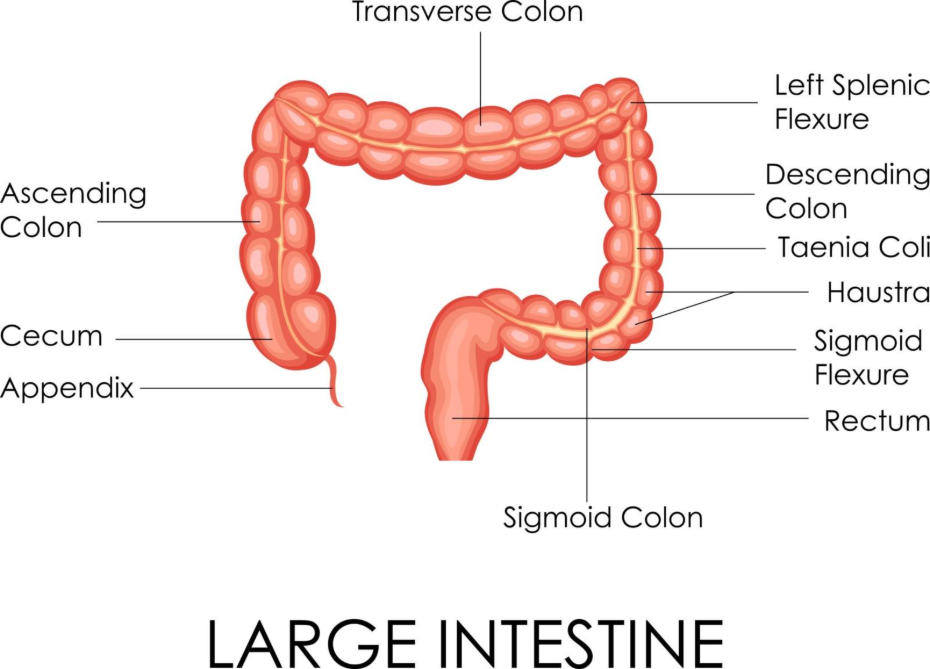
This is because the swelling during a diverticulitis flare-up can occasionally hide polyps that might be present in the same area. The GOV.UK health pages indicate that a thorough inspection of the colon once symptoms have subsided is vital for ensuring that other structural issues, such as polyps, are not missed. This staged approach ensures that the acute inflammatory issue is treated safely before proceeding with preventative cancer screening, providing a comprehensive assessment of the patient’s gastrointestinal health.
Long-Term Management and Surveillance
Long-term management for patients with both conditions involve treating diverticulitis as an episodic condition and polyps as a surveillance task. Diverticula remain a permanent part of the colon structure, and management focuses on preventing future flare-ups through high fibre intake and hydration. Polyps, once identified, are removed during a colonoscopy, which physically eliminates the risk associated with that specific growth.
UK clinical protocols ensure that patients who have had polyps removed are entered into a surveillance programme to check for new growths at regular intervals. Having a history of diverticulitis does not change the frequency of these polyp checks, as the two conditions are managed independently. This dual approach allows patients to manage their acute inflammatory symptoms while remaining protected through the national bowel screening framework. By addressing both conditions separately, healthcare providers can maintain the functional integrity of the bowel wall and the cellular health of the mucosal lining.
Conclusion
Diverticulitis does not increase the risk of developing colon polyps, as they are distinct structural issues with different biological causes. While they share risk factors such as age and a low-fibre diet, an outward pouch does not trigger an inward cellular overgrowth. In the UK, these conditions are managed through separate clinical pathways that prioritise both acute infection control and long-term cancer prevention. Participating in regular bowel screening and maintaining a healthy lifestyle are the most effective ways to manage the health of the colon. If you experience severe, sudden, or worsening symptoms, call 999 immediately.
If my diverticulitis is cured, will my polyps go away?
No, diverticulitis treatment manages inflammation, whereas polyps are physical growths that must be removed by a doctor during a colonoscopy.
Can a high-fibre diet help both conditions?
Yes, a high-fibre diet is the standard UK recommendation for reducing bowel pressure and maintaining a healthy mucosal environment for the entire colon.
Does having diverticulitis mean I need more colonoscopies?
You may need a follow-up colonoscopy after a flare-up to check the bowel lining, but your long-term schedule is usually determined by whether polyps are found.
Are polyps more dangerous than diverticulitis?
They carry different risks; polyps are a concern because of potential cancer, while diverticulitis is a concern because of potential serious infections and abscesses.
Can a polyp grow inside a diverticulum?
This is extremely rare, but it is one reason why clinicians perform careful visual inspections of the bowel once any inflammation has subsided.
Why did my doctor find both at the same time?
Because both are very common as people get older in the UK, it is a frequent clinical finding to see both during a routine bowel investigation.
Does diverticulitis cause the same symptoms as polyps?
No, diverticulitis causes acute pain and fever, while polyps are almost always silent and only found during screening or for other investigations.
Authority Snapshot (E-E-A-T)
This article provides medically factual health education regarding the relationship between diverticulitis and colon polyps, strictly aligned with NHS and NICE clinical guidelines. The content is developed by a professional medical writing team and reviewed by Dr. Rebecca Fernandez, a UK-trained physician with extensive experience in internal medicine, general surgery, and emergency care. All information follows current UK public health protocols to ensure clinical accuracy and patient safety.



