




High blood pressure (hypertension) frequently accompanies nephrotic syndrome, acting as both a symptom and a potential complication of the condition. In the UK, renal specialists monitor blood pressure closely because elevated readings can accelerate kidney damage and increase the amount of protein leaking into the urine. While nephrotic syndrome is primarily defined by high protein levels in the urine and low protein in the blood, the body’s attempt to manage fluid balance often leads to a rise in blood pressure.
When the kidneys are stressed by nephrotic syndrome, they activate hormonal systems specifically the Renin-Angiotensin-Aldosterone System (RAAS) that cause blood vessels to constrict and the body to retain salt. This physiological response is intended to maintain blood volume, but it ultimately results in hypertension. Managing this blood pressure is a critical part of NHS renal care, as it helps protect the delicate kidney filters from further ‘mechanical’ damage.
What We’ll Discuss in This Article
- The biological link between kidney protein loss and blood pressure.
- Why the body retains salt and water in nephrotic syndrome.
- The role of the Renin-Angiotensin-Aldosterone System (RAAS).
- How high blood pressure can cause a ‘vicious cycle’ of kidney damage.
- Medications used in the UK to lower blood pressure and protect kidneys.
- Lifestyle adjustments to manage hypertension during a relapse.
How high blood pressure accompanies kidney damage
High blood pressure in nephrotic syndrome is often a secondary effect of the kidneys’ struggle to regulate fluid and sodium. When protein is lost in the urine, the osmotic pressure in the blood drops, leading to fluid leaking into the tissues (oedema). The body perceives this as a drop in effective blood volume and reacts by raising blood pressure to ensure the vital organs continue to receive enough blood.
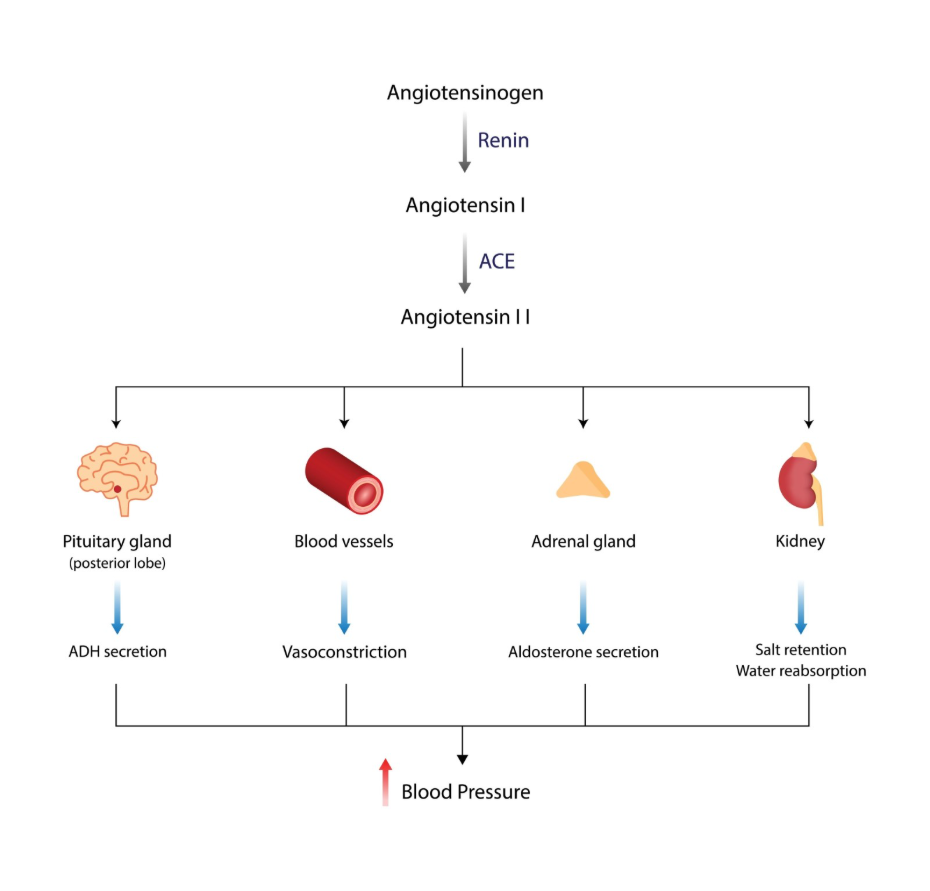
- Sodium Retention: The kidneys hold onto salt to try and keep water in the blood vessels, which naturally raises pressure.
- Hormonal Activation: The release of renin triggers a cascade that tightens blood vessels.
- Mechanical Strain: High pressure in the ‘glomeruli’ (filters) physically forces more protein through the damaged barrier, worsening the syndrome.
Causes of hypertension in nephrotic syndrome
There are several specific reasons why blood pressure rises when the kidneys are leaking protein. In the UK, doctors differentiate between the ‘underfill’ and ‘overfill’ theories of fluid retention, both of which can lead to hypertension depending on the specific underlying kidney disease.
- RAAS Activation: This is the most common cause. The kidneys ‘feel’ a lack of volume and trigger hormones that spike blood pressure.
- Reduced Kidney Function: If the condition has caused some scarring (such as in FSGS), the kidneys become less efficient at removing waste and fluid, leading to a buildup of pressure.
- Steroid Treatment: Ironically, the primary treatment for nephrotic syndrome prednisolone can cause the body to retain more salt and water, potentially raising blood pressure as a side effect.
Triggers and exacerbating factors
While the syndrome itself causes high blood pressure, certain factors can make the hypertension much worse or harder to control.
- High Salt Intake: Consuming salt while the kidneys are already struggling with sodium handling will cause a rapid spike in both swelling and blood pressure.
- Dehydration: Severe fluid loss (from vomiting or diarrhoea) can cause the RAAS system to overcompensate, leading to high readings.
- Pain and Stress: The physical discomfort of severe swelling or the stress of a relapse can stimulate the sympathetic nervous system, further raising pressure.
Differentiation: Hypertension vs. Nephritic symptoms
It is important to distinguish between the hypertension seen in ‘nephrotic’ syndrome and that seen in ‘nephritic’ syndrome. While they overlap, the causes and accompanying signs differ.
| Feature | Nephrotic Hypertension | Nephritic Hypertension |
| Primary Cause | Fluid/Salt retention and RAAS | Active inflammation of the filters |
| Urine Appearance | Frothy/Foamy (high protein) | Smoky/Cola-coloured (blood) |
| Blood Pressure Level | Often moderately high | Can be very high and sudden |
| Kidney Function | Often normal initially | Frequently shows a rapid decline |
To Summarise
High blood pressure is a common companion to nephrotic syndrome, driven by the body’s hormonal and salt-retention responses to protein loss. If left unmanaged, hypertension can cause permanent scarring of the kidney filters. In the UK, doctors use a combination of ACE inhibitors and low-salt diets to keep blood pressure below 130/80 mmHg, which is essential for achieving remission and protecting long-term renal function.
If you experience severe, sudden, or worsening symptoms, such as a sudden splitting headache, blurred vision, or chest pain (signs of a hypertensive crisis), call 999 immediately.
Will my blood pressure return to normal once I am in remission?
In many cases, yes. As the protein leak stops and the body sheds excess fluid, blood pressure often stabilises, though some patients may require long-term maintenance.
Why did my doctor prescribe blood pressure medication even though my pressure was normal?
Drugs like Ramipril are often used ‘off-label’ to lower the pressure inside the kidney filters specifically, which helps reduce the protein leak.
Does high blood pressure cause nephrotic syndrome?
While long-term high blood pressure can damage kidneys, in this context, the nephrotic syndrome usually appears first and causes the blood pressure to rise.
Can children with nephrotic syndrome have high blood pressure?
Yes, children can develop hypertension during a relapse, and paediatricians monitor this closely to prevent complications.
How does salt affect blood pressure in this condition?
Salt pulls water into the blood vessels and tissues; in nephrotic syndrome, this increases the total volume of fluid the heart must pump, raising pressure.
Are there specific foods I should avoid?
Processed foods high in sodium such as tinned soups, crisps, and processed meats should be avoided to help manage blood pressure.
Authority Snapshot
This article was reviewed by Dr. Stefan Petrov, a UK-trained physician with an MBBS and extensive experience in general medicine and emergency care. Dr. Petrov has hands-on experience in hospital wards and intensive care units, where he has managed complex renal protocols and hypertension. His expertise ensures that this information aligns with the latest UK Kidney Association (UKKA) guidelines for managing the cardiovascular complications of nephrotic syndrome.



