




Yes, passive smoke exposure is one of the most significant modifiable risk factors for developing glue ear. Clinical research consistently shows that children living in households where at least one person smokes are significantly more likely to suffer from persistent middle ear fluid. In the UK, it is estimated that thousands of cases of glue ear each year are directly attributable to second hand smoke. The toxins in tobacco smoke irritate the delicate lining of the Eustachian tube, leading to inflammation and a breakdown in the ear natural drainage system.
What We Will Cover in This Article
- How smoke particles irritate the Eustachian tube
- The statistical link between parental smoking and ear surgery
- Impact on the ear mucociliary clearance mechanism
- Why third hand smoke on clothes also poses a risk
- Long term consequences of smoke related hearing loss
- Steps to create a safer environment for child recovery
How Smoke Affects the Middle Ear
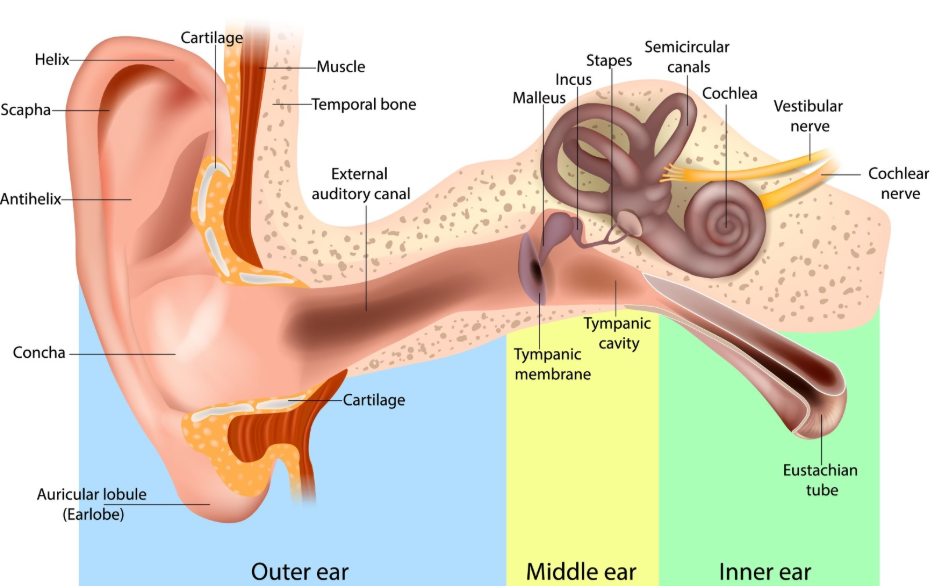
The primary reason passive smoke increases glue ear risk is its effect on the Eustachian tube, which connects the middle ear to the back of the nose.
Shutterstock
- Inflammation and Swelling: Tobacco smoke contains thousands of chemicals that act as irritants. When a child breathes in these particles, the lining of the nose and throat becomes inflamed. This swelling can block the opening of the Eustachian tube, preventing air from reaching the middle ear and causing fluid to build up.
- Impaired Mucociliary Clearance: The ears and nose are lined with tiny hairs called cilia that sweep mucus and debris away. Smoke effectively paralyses these hairs. Without this self cleaning mechanism, fluid stays trapped in the middle ear for much longer, turning from a watery consistency into the thick, glue like substance that characterises the condition.
- Immune Suppression: Passive smoke exposure can weaken a child local immune response in the respiratory tract, making them more susceptible to the colds and viral infections that typically trigger glue ear episodes.
Understanding the Statistical Risk
Data from large scale studies highlight just how much smoking in the home impacts paediatric ear health.
- Increased Likelihood: Children exposed to second hand smoke are approximately 1.4 to 1.6 times more likely to develop middle ear disease compared to those in smoke free homes.
- Risk of Surgery: The link is even stronger when looking at chronic cases. Children of smokers are nearly twice as likely to require surgical intervention, such as the insertion of grommets, because their glue ear is less likely to resolve on its own during the watchful waiting period.
- Recurrence Rates: Even after treatment, children who continue to be exposed to passive smoke have a higher rate of fluid returning once grommets have fallen out.
The Danger of Third Hand Smoke
It is a common misconception that smoking in another room or by an open window protects a child.
To Summarise
Passive smoke exposure is a major contributor to the prevalence and persistence of glue ear in children. By irritating the Eustachian tube and disabling the ear natural drainage system, tobacco smoke creates an environment where fluid remains trapped behind the eardrum for months. Reducing or eliminating smoke exposure is one of the most effective ways to help a child hearing return to normal and avoid the need for surgery.
If your child has persistent glue ear and is regularly exposed to smoke, the next clinical step is to establish a strictly smoke free environment to allow the Eustachian tube lining to heal and resume its normal function.
Does smoking outside really make a difference?
While better than smoking indoors, it does not eliminate the risk. Toxins stay on your skin and clothes, which the child breathes in during close contact.
Is vaping as bad for glue ear as cigarettes?
Research is ongoing, but the aerosols in e-cigarettes still contain irritants that can cause nasal inflammation and potentially affect Eustachian tube function.
How long after quitting will my child ears improve?
It can take several weeks for the inflammation in the respiratory tract to subside and for the cilia to begin working effectively again.
Can passive smoke cause permanent hearing loss?
Glue ear itself causes temporary conductive hearing loss. However, if the condition is persistent and untreated due to constant smoke exposure, it can lead to long term speech and language delays.
Is the risk higher if the mother smokes?
Studies suggest that maternal smoking often has a slightly higher correlation with childhood glue ear, likely due to the amount of close contact time between mother and child.
Does an air purifier help?
Air purifiers can remove some particles from the air, but they cannot remove the toxins settled on surfaces or clothing, which are major components of the risk.
Authority Snapshot
This article was reviewed by Dr. Stefan Petrov, a UK trained physician with an MBBS and postgraduate certifications in emergency and general medicine. Dr. Petrov has extensive experience in paediatric clinical assessments and has worked across various hospital departments to manage childhood health conditions. He specialises in medical education and helping parents identify modifiable risk factors like environmental triggers to improve child health outcomes



