




Regular physical activity is an effective way to lower the risk of developing bowel cancer and is a key recommendation for maintaining long-term colorectal health. Extensive clinical evidence suggests that people who maintain an active lifestyle have a significantly lower chance of developing bowel malignancies compared to those who are sedentary. This protective effect is achieved through several biological mechanisms, including the regulation of hormone levels, the strengthening of the immune system, and the improvement of digestive transit times.
What We’ll Discuss in This Article
- The primary biological ways exercise protects the bowel.
- UK government recommendations for weekly physical activity.
- The relationship between sedentary behaviour and bowel health.
- How exercise assists in weight management to lower cancer risk.
- Types of physical activity that provide the greatest health benefits.
- Practical steps for incorporating movement into daily routines.
The Relationship Between Exercise and Bowel Health
Regular physical activity reduces the risk of bowel cancer by improving the efficiency of the digestive system and reducing systemic inflammation. When the body is active, it helps move waste through the large intestine more quickly, which limits the time that potentially harmful substances in the stool are in contact with the bowel lining. The NHS recommends regular exercise as a core lifestyle adjustment to help prevent bowel cancer and support overall digestive wellbeing.
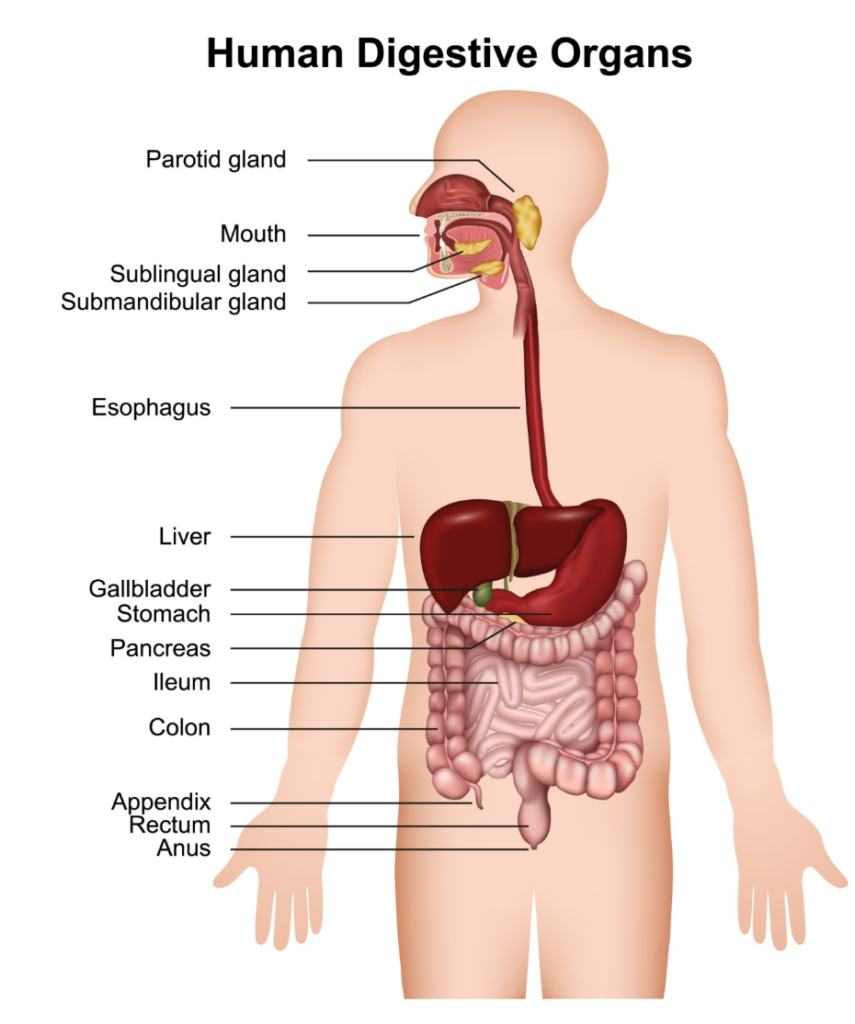
Beyond digestive transit, exercise also influences the body’s metabolic environment. Physical activity helps regulate levels of insulin and insulin-like growth factors, which at high levels can encourage the growth of cancer cells. Furthermore, regular movement strengthens the immune system, enhancing its ability to identify and eliminate abnormal cells before they can develop into tumours. These combined effects create a more resilient internal environment that is less conducive to the development of colorectal disease.
Recommended Activity Levels in the UK
To achieve significant health benefits and reduce the risk of bowel cancer, the UK Chief Medical Officers advise that adults should aim for at least 150 minutes of moderate-intensity activity each week. Moderate activity is defined as movement that raises the heart rate and makes a person breathe faster, such as brisk walking, cycling, or swimming. Alternatively, 75 minutes of vigorous-intensity activity, such as running or playing competitive sports, can provide similar protective effects.
NICE guidelines emphasise that physical activity should be spread across the week and include muscle-strengthening exercises on at least two days. Many people in the UK do not meet these minimum requirements, which contributes to a higher national incidence of chronic diseases. Gradually increasing activity levels toward these targets is a proactive step that any individual can take to manage their long-term health risks.
Impact of Sedentary Behaviour on Risk
Sedentary behaviour, which involves long periods of sitting or lying down during waking hours, is independently linked to an increased risk of bowel cancer. Even for individuals who meet the weekly exercise targets, spending the majority of the day sitting at a desk or in front of a television can have negative effects on metabolic health. Prolonged inactivity can lead to sluggish bowel movements and higher levels of inflammation in the body.
Public health advice suggests breaking up long periods of sitting with a few minutes of light activity every hour. Simple actions such as standing during phone calls, using stairs instead of lifts, or taking short walks during lunch breaks can help mitigate the risks associated with a sedentary lifestyle. Reducing total sitting time is considered just as important as the 150 minutes of structured exercise for maintaining optimal bowel function.
Weight Management and Bowel Cancer Prevention
Regular exercise is a vital component of weight management, which is a major factor in reducing bowel cancer risk. Being overweight or obese is associated with chronic low-level inflammation and changes in hormone levels that can promote the growth of malignant cells. Government health pages indicate that maintaining a healthy body weight through a combination of diet and exercise is one of the most effective ways to lower the risk of several types of cancer.
Exercise helps to reduce visceral fat, which is the fat stored around internal organs in the abdominal area. This type of fat is metabolically active and produces chemicals that can trigger inflammation in the bowel. By reducing this specific type of fat through regular cardiovascular and strength-based activities, individuals can significantly lower their risk profile.
Comparing Activity Intensities
| Activity Level | Examples | Recommended Duration |
| Moderate Intensity | Brisk walking, water aerobics, doubles tennis | 150 minutes per week |
| Vigorous Intensity | Running, fast swimming, singles tennis, football | 75 minutes per week |
| Strengthening | Weight lifting, heavy gardening, yoga, resistance bands | 2 days per week |
| Sedentary Reduction | Standing desks, hourly walking breaks, using stairs | Daily integration |
Practical Steps to Increase Daily Movement
Incorporating exercise into a busy schedule does not always require a gym membership; many everyday activities contribute toward the weekly targets. Briskly walking to work or the shops, taking the stairs instead of the lift, and engaging in active household tasks like gardening or cleaning are all effective. The key is to find activities that are enjoyable, as this increases the likelihood of maintaining the habit in the long term.
For those who are currently inactive, the safest approach is to start with short bouts of activity, such as ten-minute walks, and gradually increase the duration and intensity over several weeks. This allows the joints and cardiovascular system to adapt without causing injury. Consistent, small changes are often more sustainable than sudden, high-intensity shifts and provide a reliable way to reach the 150-minute goal.
Conclusion
Regular exercise is a powerful and accessible tool for reducing the risk of bowel cancer. By improving digestive transit, regulating hormones, and assisting in weight management, physical activity provides comprehensive protection for the large intestine. Adhering to the UK recommendation of 150 minutes of moderate activity per week, alongside reducing sedentary time, is a vital part of a healthy lifestyle. If you experience severe, sudden, or worsening symptoms, call 999 immediately.
Can I count housework as my weekly exercise?
If the housework is intense enough to raise your heart rate and make you feel warm, it can count toward your moderate-intensity activity totals.
Is walking as effective as running for cancer prevention?
Both are effective; while running is more intense, walking at a brisk pace for a longer duration provides significant bowel health benefits.
Should I exercise if I already have bowel symptoms?
You should consult your GP about any symptoms first, but light exercise is generally safe and encouraged for most people.
What if I have a physical disability that limits my movement?
There are many forms of adaptive exercise; a healthcare professional or physiotherapist can help find activities that are safe and effective for your specific needs.
Does exercise reduce the risk of the cancer returning?
Evidence suggests that staying active after cancer treatment can improve recovery and may help reduce the risk of recurrence.
Is it better to do all my exercise on one day?
It is better to spread activity across at least four to five days a week to maintain consistent metabolic and digestive benefits.
Does lifting weights help protect the bowel?
Strength training is important for overall health and weight management, which indirectly supports a lower risk of bowel cancer.
Authority Snapshot (E-E-A-T)
The information provided in this article is based on clinical evidence and public health guidelines established by the NHS and NICE. Our medical content team ensures that all lifestyle recommendations are aligned with current UK health policies to provide accurate and safe patient education. This article has been reviewed by Dr. Stefan Petrov, a UK-trained physician with extensive experience in general medicine, surgery, and emergency care.



