




Abdominal bloating is a frequent and often cyclical experience for many women, primarily driven by the fluctuating levels of sex hormones throughout the life stages. These changes can alter the way the body retains fluid and how the digestive system processes food and gas. While often associated with the menstrual cycle, hormonal bloating can also occur during other significant transitions, such as perimenopause and menopause. Understanding the biological mechanisms behind these changes is essential for identifying patterns and managing the physical discomfort effectively.
What We’ll Discuss in This Article
- The role of oestrogen and progesterone in fluid retention
- How the different phases of the menstrual cycle affect the gut
- The impact of prostaglandins on bowel function during a period
- Hormonal bloating during perimenopause and menopause
- The link between hormones and functional disorders like IBS
- Practical lifestyle adjustments to manage cyclical swelling
- When to seek medical advice for persistent abdominal symptoms
The Role of Oestrogen and Progesterone in Fluid Retention
Hormones cause bloating by influencing the way the body manages fluid levels and the speed of the digestive system. Oestrogen and progesterone, the primary female sex hormones, have receptors located throughout the gastrointestinal tract, meaning they can directly impact gut function. In the days leading up to a period, oestrogen levels rise, which can lead to increased sodium and water retention in the body’s cells. This cellular fluid retention often manifests as a feeling of heaviness and visible swelling in the abdomen.
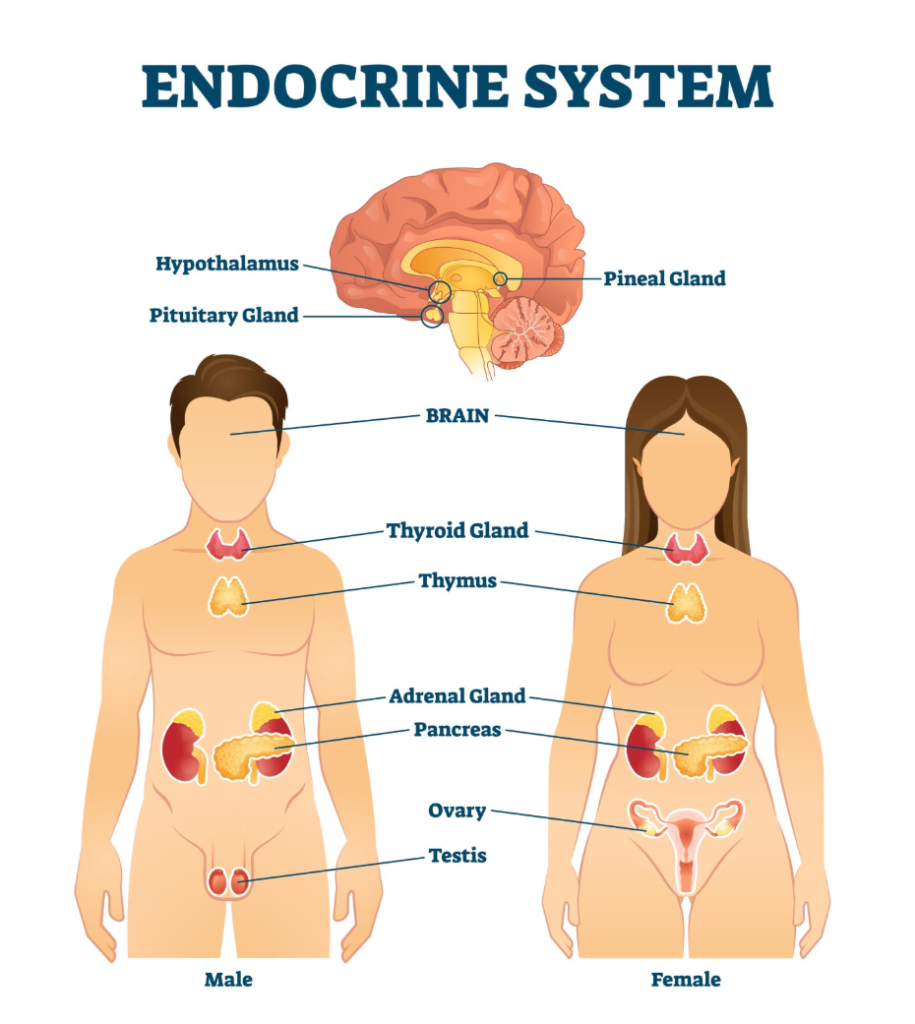
Progesterone also plays a significant role by acting as a muscle relaxant. While this is necessary for the reproductive system, it also affects the smooth muscles of the digestive tract, potentially slowing down the movement of food through the intestines. When gut motility slows, waste material remains in the colon for longer, allowing more time for gas to accumulate and stool to harden. This combination of fluid retention and slowed digestion is why many people feel significantly more bloated in the week before their period begins.
Menstrual Cycle Phases and Digestive Changes
The sensation of bloating typically fluctuates in intensity according to the specific phase of the menstrual cycle. During the follicular phase, which starts on the first day of a period, oestrogen and progesterone are at their lowest levels, and many people find that bloating begins to subside. As the cycle progresses toward ovulation, oestrogen levels increase, which can cause a temporary peak in abdominal pressure for some individuals.
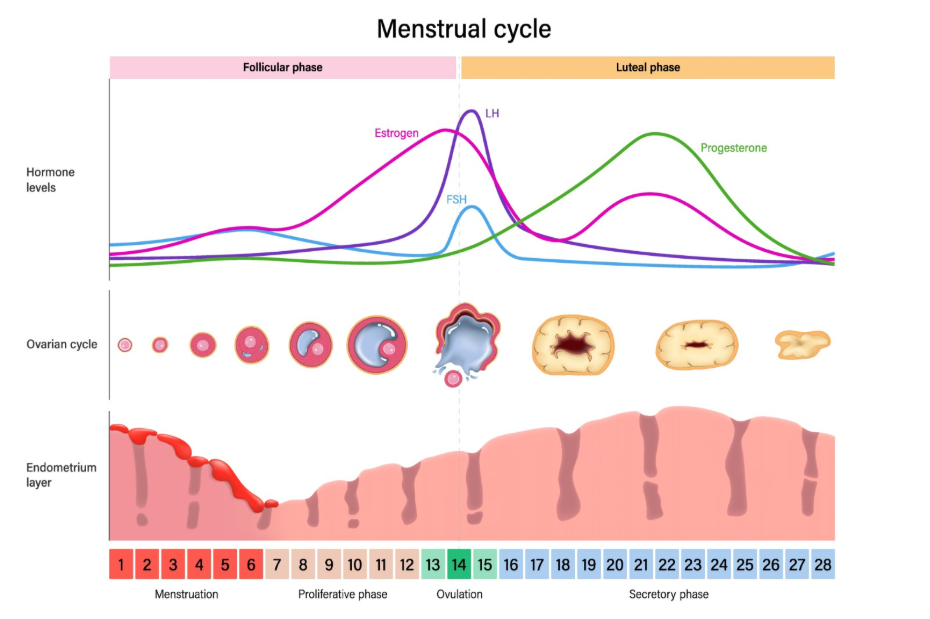
The most significant period of bloating usually occurs during the luteal phase, which is the time between ovulation and the start of the next period. PMS is the name for the symptoms some women can experience in the weeks before their period, including mood swings, breast tenderness, and bloating. During this time, the high levels of progesterone can lead to constipation, which further traps gas in the bowel. Monitoring these patterns over several months can help in identifying whether the bloating is a predictable part of the cycle or a symptom of an underlying digestive issue.
Prostaglandins and Period-Related Bowel Symptoms
As the period begins, the body releases chemicals called prostaglandins that can cause the bowels to become more active or irritable. Prostaglandins are responsible for making the muscles of the uterus contract to shed its lining, but they can also affect the nearby smooth muscles of the large intestine. This often leads to a shift from the constipation experienced before the period to more frequent bowel movements or even diarrhoea during the first few days of bleeding.
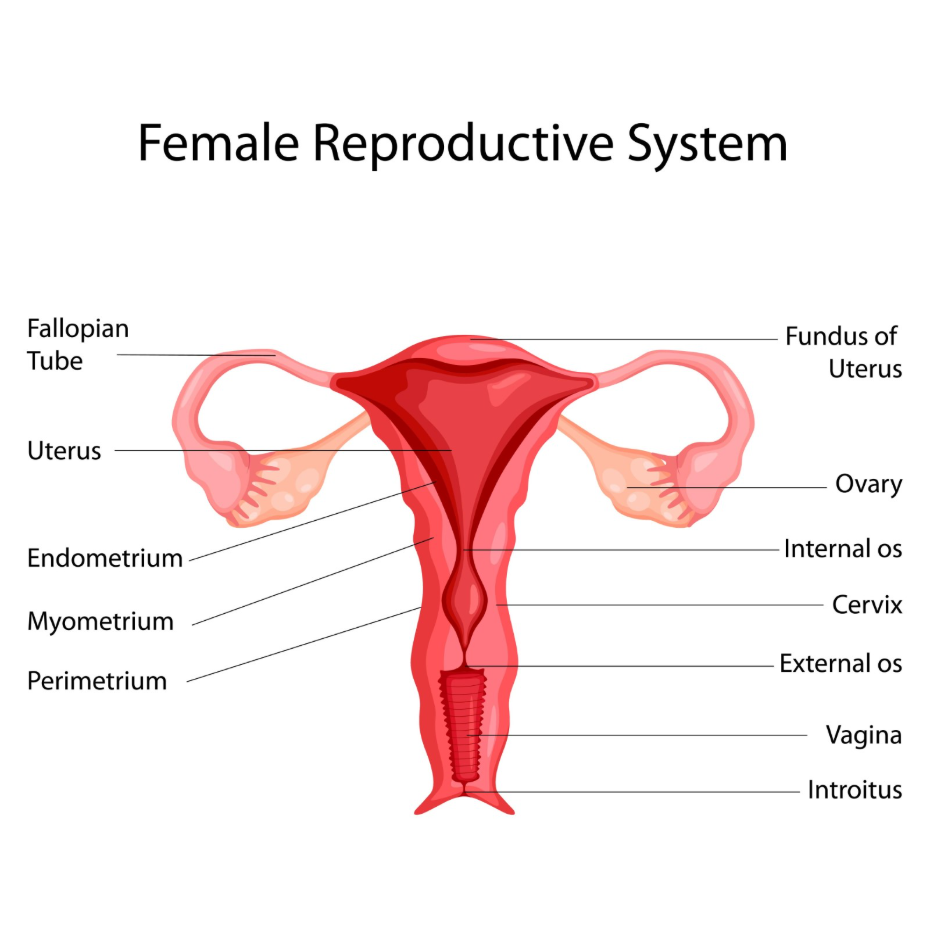
This increase in bowel activity can lead to a different type of bloating characterised by gas and cramping rather than just fluid retention. Because prostaglandins can cause the intestines to contract more forcefully, they can also contribute to a sense of urgency. If the gut is already sensitive, these chemical changes can significantly disrupt digestive comfort. Managing these symptoms often involves anti-inflammatory approaches to reduce the impact of these compounds on the body.
The Impact of Perimenopause and Menopause
Fluctuating hormone levels during perimenopause and the eventual drop in oestrogen during menopause can lead to persistent or irregular bloating. Perimenopause is the transitional phase before menopause when hormone levels can rise and fall erratically. These spikes in oestrogen can lead to sudden episodes of water retention, while the overall decline in progesterone can affect the regularity of bowel movements.
The National Institute for Health and Care Excellence provides guidelines on the diagnosis and management of menopause to help individuals manage symptoms like bloating and hot flushes effectively. Additionally, the reduction in oestrogen after menopause can lead to changes in the composition of the gut microbiome. A less diverse microbiome may result in increased gas production or a reduced ability to process certain foods, leading to a feeling of being bloated more often than in younger years.
Hormonal Bloating and Irritable Bowel Syndrome
Many individuals find that their hormones exacerbate the symptoms of existing functional disorders such as Irritable Bowel Syndrome. The gut and the brain are closely linked, and the same hormones that regulate the reproductive system also interact with the nerves in the digestive tract. For those with IBS, the drop in progesterone just before a period can make the gut hypersensitive, meaning that even normal amounts of gas are perceived as painful bloating.
This interaction is often referred to as a “menstrual flare” of digestive symptoms. During these times, dietary triggers that might be tolerated during other parts of the month can suddenly cause significant distress. Keeping a detailed symptom diary can help in understanding the link between the cycle and gut sensitivity. Bloating is most often caused by a buildup of gas in the digestive system, which can be linked to specific foods or habits like swallowing too much air. When hormones are added to the mix, the digestive system requires extra support to maintain regularity.
Managing Hormonal Bloating Through Lifestyle Adjustments
Adopting specific lifestyle and dietary habits during different phases of the menstrual cycle can help mitigate the effects of hormonal fluctuations on the gut. Reducing salt intake during the luteal phase can help minimise oestrogen-related water retention, as sodium encourages the body to hold onto extra fluid. Staying hydrated is also paradoxical but effective: drinking enough water helps the kidneys flush out excess sodium and supports the movement of fibre through the intestines.
Regular, gentle physical activity, such as walking or swimming, can assist in stimulating gut motility and relieving constipation caused by progesterone. Some people find that reducing their intake of gas-producing foods, such as beans, onions, and cruciferous vegetables, in the week before their period helps keep abdominal pressure under control. Additionally, managing stress through relaxation techniques can calm the gut-brain axis, reducing the visceral hypersensitivity that makes bloating feel more severe.
Conclusion
Hormonal bloating is a common and usually cyclical symptom driven by the interaction between sex hormones and the digestive system. While oestrogen-related water retention and progesterone-related slowed motility are the primary causes, other factors like prostaglandins and menopausal transitions also play significant roles. Most hormonal bloating can be managed through dietary awareness and lifestyle changes once a pattern is identified. If you experience severe, sudden, or worsening symptoms, call 999 immediately.
Why does my bloating disappear as soon as my period starts?
When your period begins, your levels of oestrogen and progesterone drop significantly, which allows your body to release retained water and your gut motility to return to normal.
Can the contraceptive pill help with hormonal bloating?
For some people, the pill can help regulate hormone levels and reduce cyclical bloating, but for others, the synthetic hormones may cause bloating as a side effect.
Is bloating common during menopause?
Yes, the significant changes in oestrogen levels during perimenopause and menopause can affect both fluid retention and the speed of the digestive system.
Does magnesium help with period-related bloating?
Some research suggests that magnesium supplements may help reduce water retention and abdominal discomfort in those with PMS, though you should consult a professional before starting new supplements.
Can hormones cause diarrhoea during a period?
Yes, the release of prostaglandins at the start of a period can cause the intestines to contract, leading to more frequent or loose stools.
How can I tell if my bloating is hormonal or from food?
Tracking your symptoms alongside your menstrual cycle for two to three months can help you see if the bloating consistently occurs during the same phase of your cycle.
Is it normal to gain weight right before a period?
It is very common to gain a few pounds of water weight in the days leading up to a period due to hormonal fluid retention, which usually subsides once the period starts.
Authority Snapshot (E-E-A-T)
This medical content is designed to provide evidence-based education to the UK public regarding the link between hormones and digestive health. The material is developed by a dedicated medical writing team and reviewed by Dr. Rebecca Fernandez, a UK-trained physician with extensive experience across general surgery, internal medicine, and acute care. All information is strictly aligned with the clinical standards and diagnostic pathways set by the NHS and the National Institute for Health and Care Excellence (NICE).



