




Autistic people can manage sensory challenges by identifying specific triggers and implementing environmental modifications, using assistive sensory tools, and developing personal regulation strategies to navigate different settings. In the United Kingdom, the NHS recognises that sensory processing differences are a core aspect of the autistic profile, affecting how individuals perceive sound, light, touch, and other stimuli. Understanding these biological variations allows for a holistic approach to wellbeing that focuses on reducing sensory overload and fostering a more inclusive environment. By utilised integrated support pathways and legal protections like reasonable adjustments, autistic individuals can significantly improve their daily functional comfort and independence.
What We’ll Discuss in This Article
- Understanding the biological basis of sensory processing differences.
- Identifying common sensory triggers across different environments.
- Practical strategies for modifying the home and workplace.
- The role of assistive sensory tools in daily regulation.
- Managing sensory overload and preventing autistic burnout.
- Accessing integrated NHS multidisciplinary support for sensory health.
Understanding the Biological Basis of Sensory Differences
Sensory challenges in autism arise from the way the brain and nervous system process and interpret information from the senses, often leading to hypersensitivity or hyposensitivity. In the United Kingdom, healthcare professionals utilise neurodevelopmental frameworks to explain that these differences are innate and permanent rather than behavioural issues. The NHS states that autistic people may be over-sensitive or under-sensitive to things like bright lights, loud noises or certain textures.
Biological variations in the neural pathways mean that the brain may struggle to filter out irrelevant sensory data, such as the hum of a refrigerator or the flickering of a light. In the UK, this professional framework provides a stable foundation for the management journey by identifying that the individual’s experience is a valid biological reality. By utilised these integrated pathways, the healthcare system ensures that every person’s profile is supported through practical, evidence-based understanding. This coordinated effort between primary care and specialists provides a secure environment for building sensory resilience.
Identifying Common Sensory Triggers
Effective management begins with identifying specific triggers across the eight sensory systems, which include the five standard senses plus vestibular (balance), proprioception (body awareness), and interoception (internal sensations). In the United Kingdom, multidisciplinary teams often work with individuals to create a sensory profile that highlights areas of vulnerability and strength. NICE clinical guidelines for autism indicate that an assessment should include a review of sensory sensitivities and their impact on daily life.
| Sensory System | Presentation of Challenge | Practical Management Example |
| Auditory | Distress at sudden or constant background noise. | Using noise-cancelling headphones in public. |
| Visual | Overload from fluorescent lights or busy patterns. | Using dimmable lighting or tinted glasses. |
| Tactile | Irritation from clothing tags or certain textures. | Choosing seamless clothing and soft fabrics. |
| Proprioception | Difficulty judging personal space or body position. | Utilising weighted blankets for calming input. |
In the UK, these profiles are managed through integrated care plans that prioritise a person-centred approach. An individual might find that they are hypersensitive to sound but hyposensitive to touch, requiring deep pressure to feel grounded. This professional oversight is essential for providing a safe and accurate understanding of the individual’s functional capability. By building a robust evidence base through clinical review, the multidisciplinary team can provide more effective strategies for long-term comfort.
Environmental Modifications in the Home and Workplace
Modifying the physical environment is a primary strategy for managing sensory challenges because it reduces the cumulative load on the nervous system. In the United Kingdom, legal protections under the Equality Act 2010 require employers and service providers to make reasonable adjustments to accommodate these needs. The GOV.UK health pages provide clinical profiles indicating that the monitoring of social and cognitive challenges is a priority for ensuring integrated support.
Environmental modifications often include:
- Lighting: Replacing flickering fluorescent tubes with warm LED bulbs or using natural light where possible.
- Acoustics: Implementing soft furnishings, carpets, or acoustic panels to reduce echoes and sound reverberation.
- Olfactory: Establishing “scent-free” zones and avoiding strong cleaning products or perfumes.
- Spatial Design: Creating a designated “quiet zone” or sensory room for regulation during the day.
- Predictability: Ensuring the environment remains consistent to avoid the stress of unexpected sensory changes.
In the UK, the focus is on providing a stable foundation where the environment adapts to the person. Identifying these underlying drivers allows for more targeted help that addresses the biological cause of sensory distress. By utilised these professional frameworks, the UK system provides a life-long framework of support that evolves as the person matures. This approach acknowledges that adult success is often built on the availability of a sensory-friendly workspace.
The Role of Assistive Sensory Tools
Assistive tools provide portable support for managing sensory input when an individual cannot control their external environment, such as in public transport or retail settings. In the United Kingdom, many autistic people use a variety of “fidget” tools and sensory aids to help regulate their nervous system and maintain focus.
Commonly utilised sensory tools in the UK include:
- Noise-Cancelling Headphones: To block out overwhelming environmental noise or provide calming auditory input.
- Weighted Lap Pads: Providing deep pressure to assist with proprioceptive grounding during seated tasks.
- Fidget Stimulators: Allowing for discrete repetitive movements that help regulate focus and anxiety.
- Sunglasses or Peaks: Reducing the impact of bright overhead lights or glare in outdoor settings.
- Chewable Jewellery: Providing safe oral-motor input for those who find chewing a helpful regulation tool.
In the UK, the focus is on providing a stable foundation where technology and tools act as a bridge to independence. These integrated pathways ensure that the person’s potential is not limited by their physical surroundings. By utilised these professional frameworks, the healthcare and vocational systems provide a secure environment for building professional and personal confidence. This approach acknowledges that self-regulation is a vital skill for navigating a neurotypical world.
Managing Sensory Overload and Burnout
Recognising the signs of sensory overload is essential for preventing “meltdowns” or “shutdowns,” which occur when the nervous system becomes completely overwhelmed by input. In the United Kingdom, specialists work with individuals to develop “pacing” strategies that include scheduled sensory breaks to prevent the accumulation of stress.
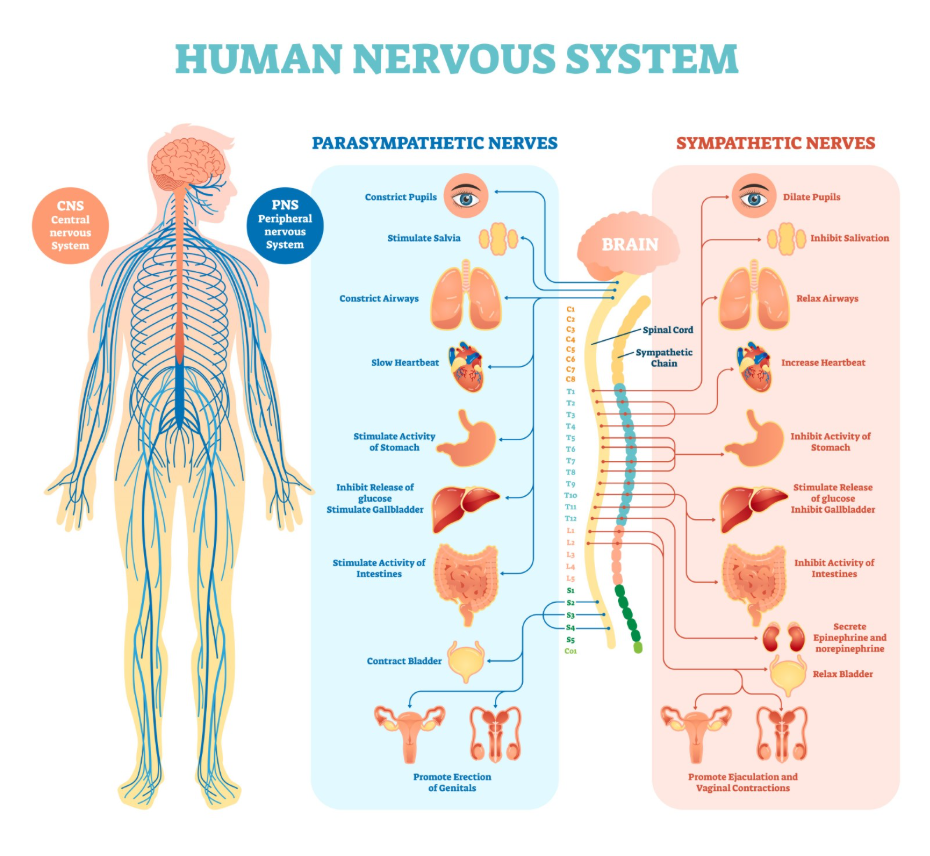
When overload occurs, the body may enter a “fight, flight, or freeze” state, leading to intense exhaustion often referred to as autistic burnout. In the UK, this integrated care model ensures that the adult’s career and personal potential is not hindered by chronic sensory fatigue. Identifying these indicators early is vital for preventing long-term emotional distress. This professional oversight is essential for providing a safe and accurate understanding of the individual’s emotional health. By acknowledged these biological differences, the system provides a more supportive framework for managing the person’s unique profile safely.
Accessing Integrated NHS Support Pathways
The pathway for managing sensory challenges in the United Kingdom is a coordinated process involving GPs, occupational therapists, and specialist neurodevelopmental clinicians. This journey ensures that every individual receives a thorough review of their history and current environment to build a bespoke management plan.
The UK integrated support pathway involves:
- Initial GP Consultation: Discussing how sensory challenges are impacting daily life, work, or education.
- Occupational Therapy Referral: Accessing a specialist who can conduct a formal sensory assessment.
- Vocational Review: Applying for Access to Work or university support to identify necessary sensory tools.
- Integrated Care Planning: Co-ordinating support between healthcare providers, employers, and educational settings.
- Regular Monitoring: Scheduled reviews to ensure that management strategies remain effective as life demands change.
In the UK, the focus is on providing a stable foundation for the individual to move forward with self-understanding and practical support. The NHS ensures that adults and children have a consistent point of contact, providing clarity throughout the process. This professional framework is designed to ensure that the management plan is evidence-based and responsive to the person’s unique neurodivergent profile. By utilising these integrated pathways, the healthcare system provides a secure environment for building professional and personal confidence.
Conclusion
Managing sensory challenges in autism involves a comprehensive approach that combines biological understanding, environmental modifications, and the use of assistive tools within a supportive UK framework. The NHS and professional bodies provide a robust system of multidisciplinary assessments and reasonable adjustments to help individuals optimise their functional independence. By focusing on both biological differences and the need for inclusive environments, the system promotes the highest possible level of achievement across the lifespan. Following a coordinated management plan with the help of medical and occupational experts ensures that unique adult and paediatric needs are addressed holistically.
What is sensory hypersensitivity?
It is an intense reaction to sensory stimuli that others might not notice, such as the sound of a clock or the texture of food.
Can an occupational therapist help with sensory issues?
Yes; they are specialists in identifying sensory needs and suggesting practical tools and environmental changes.
Are noise-cancelling headphones allowed at work?
In the UK, these are often considered a “reasonable adjustment” that employers should allow to support autistic staff.
What is a sensory meltdown?
It is an involuntary response to sensory or emotional overload where the person loses control over their behaviour.
Do I need a diagnosis to buy sensory tools
No, anyone can use these tools, but a formal identification is usually needed for funding through government grants.
Why do some autistic people seek out intense sensations?
This is called “sensory seeking” or hyposensitivity, where the person needs more input to feel regulated.
Who should I talk to first if I am struggling with sensory overload?
The first point of contact in the United Kingdom is usually your GP to discuss your health and referral options.
Authority Snapshot (E-E-A-T)
This article provides medically factual health education regarding sensory challenges in autism, strictly aligned with NHS and NICE clinical guidelines. The content is developed by a professional medical writing team and reviewed by Dr. Stefan Petrov, a UK-trained physician with experience in general medicine, surgery, anaesthesia, ophthalmology, and emergency care. All information follows current UK public health protocols to ensure clinical accuracy and patient safety.



