




Neurodiverse people can prevent burnout by identifying early warning signs of exhaustion, managing sensory overload, and implementing energy-pacing strategies that align with their specific neurological profile. In the United Kingdom, the NHS recognises that neurodivergent individuals often face higher levels of cognitive and emotional fatigue due to social masking and environmental barriers. By utilised reasonable adjustments in the workplace and establishing structured routines at home, individuals can maintain their functional independence and wellbeing. Understanding the biological basis of neurodivergent exhaustion allows for a proactive approach to health that prioritises sustainable participation in daily life. Accessing integrated support through multidisciplinary teams ensures that management plans are evidence-based and tailored to the individual’s unique cognitive and sensory style.
What We’ll Discuss in This Article
- The biological mechanism of neurodivergent burnout and exhaustion.
- Identifying early indicators of sensory and cognitive overload.
- Strategies for energy pacing and managing daily demand.
- The impact of social masking on mental and physical health.
- Implementing environmental adjustments to reduce baseline stress.
- Accessing integrated NHS support pathways for long-term wellbeing.
The Biological Mechanism of Neurodivergent Burnout
Neurodivergent burnout is a state of chronic physical and mental exhaustion caused by the cumulative load of navigating an environment that does not match an individual’s neurological processing style. In the United Kingdom, healthcare professionals distinguish this from standard occupational burnout by its specific links to sensory sensitivities and the effort required for social compensation. The NHS states that being neurodivergent means your brain works, learns and processes information differently from other people.
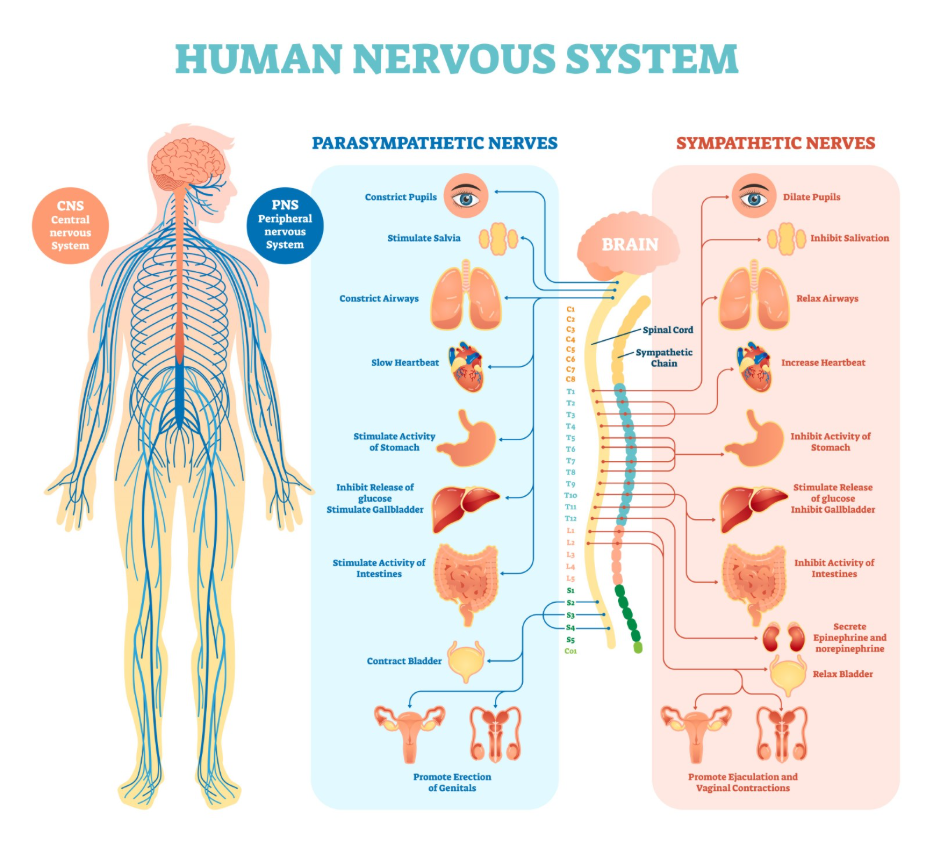
When a neurodiverse person is consistently exposed to overwhelming stimuli or high social demands, their nervous system may remain in a prolonged state of “fight or flight.” This chronic activation of the stress response leads to a significant depletion of cognitive resources, particularly in the prefrontal cortex where executive functions are managed. In the UK, this professional framework provides a stable foundation for the management journey by identifying that burnout is a biological reality rather than a personal failing. By utilised these integrated pathways, the healthcare system ensures that prevention strategies are grounded in clinical evidence. This coordinated effort between primary care and specialists provides a secure environment for building long-term resilience.
Identifying Early Indicators of Overload
Preventing burnout requires the early identification of physical and cognitive indicators that suggest the nervous system is becoming overtaxed. In the United Kingdom, multidisciplinary teams work with individuals to recognise their specific “early warning” signs, which may manifest differently in autism, ADHD, or dyslexia. NICE clinical guidelines for autism indicate that an assessment should include a review of the person’s strengths and the impact of their traits on daily life, including signs of distress.
| Indicator Category | Early Warning Sign | Functional Impact |
| Sensory | Increased sensitivity to noise or light. | Difficulty staying in shared public spaces. |
| Cognitive | Reduced ability to plan or start tasks. | Executive function “fog” or forgetfulness. |
| Emotional | Heightened irritability or sudden tearfulness. | Challenges in maintaining social relationships. |
| Physical | Chronic fatigue or disrupted sleep patterns. | Reduced energy for daily self-care tasks. |
| Social | Increasing urge to withdraw or avoid talk. | Loss of interest in previously enjoyed hobbies. |
In the UK, these indicators are managed through integrated care plans that prioritise a person-centred approach. Recognising that a sudden decrease in literacy fluency or an increase in tactile sensitivity can be a precursor to burnout allows for immediate intervention. This professional oversight is essential for providing a safe and accurate understanding of the individual’s functional capability. By building a robust evidence base through clinical review, the multidisciplinary team can support the individual in implementing proactive recovery strategies.
Energy Pacing and Demand Management
Energy pacing is a vital strategy for preventing burnout, involving the careful allocation of cognitive and physical resources throughout the day to avoid reaching a state of total exhaustion. In the United Kingdom, occupational therapists often recommend the “spoon theory” or similar pacing models to help neurodiverse adults manage their daily energy budgets. The GOV.UK health pages provide clinical profiles indicating that the monitoring of social and cognitive challenges is a priority for ensuring integrated support.
Effective pacing strategies in the UK include:
- Scheduled Rest: Building “sensory breaks” into the day where no cognitive or social output is required.
- Prioritisation: Identifying high-energy tasks and scheduling them during peak focus periods.
- Delegation: Using reasonable adjustments to delegate tasks that cause significant cognitive friction.
- Low-Arousal Activities: Engaging in repetitive or predictable hobbies that help regulate the nervous system.
- Environmental Control: Proactively reducing sensory load before it becomes overwhelming.
In the UK, the focus is on providing a stable foundation where the person’s energy levels are respected. Identifying these underlying drivers allows for more targeted help that addresses the biological cause of exhaustion. By utilised these professional frameworks, the UK system provides a life-long framework of support that evolves as the person matures. This approach acknowledges that sustainable participation is built on a balanced energy budget.
The Impact of Social Masking on Health
Social masking, the process of suppressing neurodivergent traits to appear neurotypical, is a significant contributor to burnout due to the immense cognitive and emotional effort it requires. In the United Kingdom, healthcare professionals recognise that while masking can be a survival strategy, its long-term use can lead to identity loss and severe mental fatigue.
Reducing the need for masking involves:
- Self-Awareness: Identifying which social behaviours are genuine and which are performed for others’ comfort.
- Inclusive Environments: Seeking workplaces and social circles where neurodivergent traits are accepted.
- Direct Communication: Using clear, literal language to reduce the effort of interpreting social nuances.
- Authenticity: Gradually allowing for stimming or other regulation behaviours in safe spaces.
- Peer Support: Connecting with other neurodiverse people to reduce the pressure of social conformity.
In the UK, the focus is on a person-centred approach where the biological reality of the condition is respected. Identifying these indicators early is vital for preventing the emotional withdrawal that often accompanies masking-related burnout. This professional oversight is essential for providing a safe and accurate understanding of the individual’s emotional health. By acknowledged these biological differences, the system provides a more supportive framework for managing the person’s unique profile safely.
Accessing Integrated NHS Support Pathways
The pathway for managing and preventing neurodivergent burnout in the United Kingdom is a coordinated process involving GPs, specialist clinicians, and vocational advisors. This journey ensures that every individual receives a thorough review of their history and current environment to build a bespoke management plan.
The UK integrated support pathway involves:
- Initial GP Consultation: Discussing symptoms of chronic exhaustion and social withdrawal.
- Specialist Referral: Accessing adult neurodevelopmental services for a formal multidisciplinary review.
- Vocational Review: Applying for Access to Work support to identify necessary workplace adjustments.
- Integrated Care Planning: Co-ordinating support between the health service, employers, or educational settings.
- Regular Monitoring: Scheduled reviews to ensure that pacing and sensory strategies remain effective over time.
In the UK, the focus is on providing a stable foundation for the individual to move forward with professional confidence. The NHS ensures that adults and children have a consistent point of contact for their health needs while they navigate their personal and professional lives. This integrated approach ensures that the person’s unique way of functioning is respected within their home and work environment. By utilised these integrated pathways, the healthcare system provides a secure environment for preventing chronic health crises.
Conclusion
Preventing neurodivergent burnout requires a comprehensive approach that combines sensory management, energy pacing, and the reduction of social masking within the UK’s healthcare framework. The NHS and professional bodies provide a robust system of multidisciplinary assessments and reasonable adjustments to help individuals maintain their functional independence. By focusing on both biological differences and the need for inclusive environments, the system promotes the highest possible level of wellbeing across the lifespan. Following a coordinated management plan with the help of medical and vocational experts ensures that unique adult and paediatric needs are addressed holistically.
What is neurodivergent burnout?
It is a state of total exhaustion caused by the long-term stress of navigating a world not designed for your neurological profile.
How does masking cause burnout?
Constantly monitoring your behaviour to appear neurotypical uses significant cognitive energy, leading to eventual depletion.
Can I get sick leave for neurodivergent burnout?
In the UK, if your burnout impacts your ability to work, you may be eligible for sick leave as with any other health condition.
What are “sensory breaks”?
These are periods of time spent in a low-stimulus environment to allow your nervous system to recover from overload.
Does ADHD cause burnout?
Yes; the constant effort to focus and manage executive function challenges can lead to chronic fatigue if not managed.
What is “spoon theory”?
It is a metaphor used to describe the limited amount of energy a person has for daily tasks and how it must be budgeted.
Who should I talk to first if I feel burnt out?
The first point of contact in the United Kingdom is usually your GP to discuss your health and explore support options.
Authority Snapshot (E-E-A-T)
This article provides medically factual health education regarding the prevention of neurodivergent burnout, strictly aligned with NHS and NICE clinical guidelines. The content is developed by a professional medical writing team and reviewed by Dr. Stefan Petrov, a UK-trained physician with experience in general medicine, surgery, anaesthesia, ophthalmology, and emergency care. All information follows current UK public health protocols to ensure clinical accuracy and patient safety.



