Living a normal and active life with fatty liver disease is achievable for the vast majority of people, provided the condition is identified early and managed through consistent lifestyle adjustments. The liver is a highly resilient organ that can often repair itself if the metabolic stress causing fat accumulation is reduced. In the United Kingdom, non-alcoholic fatty liver disease is frequently linked to metabolic factors such as weight and diet, which means that many patients have significant control over the progression of their condition. By focusing on sustainable changes to nutrition, physical activity, and overall health monitoring, individuals can prevent the disease from advancing to more serious stages like cirrhosis. A diagnosis does not necessarily mean a future of ill health; rather, it often serves as a prompt to adopt habits that support long-term wellbeing. With the right support from healthcare professionals and a proactive approach to daily habits, the liver can remain functional, allowing patients to enjoy a full and typical life.
What We’ll Discuss in This Article
- The importance of sustainable weight management for liver health.
- Nutritional strategies that support liver repair and metabolic stability.
- Incorporating regular physical activity into a daily routine.
- Managing associated conditions like type 2 diabetes and high blood pressure.
- The role of regular NHS monitoring in maintaining long-term health.
- Why total alcohol avoidance or strict limitation is beneficial.
Prioritising Sustainable Weight Management
Living a normal life with fatty liver disease starts with achieving and maintaining a healthy weight through gradual and sustainable changes to energy balance. Excess body weight, particularly when stored around the middle, is a primary driver of fat deposition in the liver cells. The NHS explains that losing even a small amount of weight can significantly reduce the amount of fat in your liver and help stop the condition from getting worse.
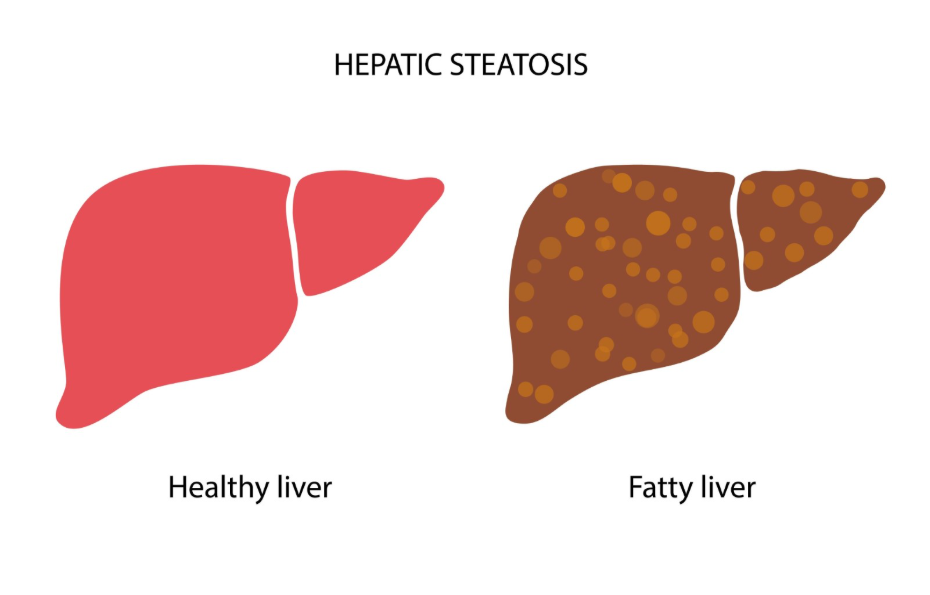
For many people, losing 5 to 10 percent of their total body weight is enough to clear a significant amount of fat from the liver and reduce inflammation. It is important to avoid rapid weight loss or restrictive diets that are difficult to maintain, as these can sometimes cause additional stress to the liver. Instead, focusing on a steady loss of 1 to 2 pounds per week is recommended. This approach allows the body to adapt and ensures that the lifestyle changes become a permanent part of a normal, healthy life rather than a temporary fix.
Adopting Liver Supportive Nutritional Habits
A balanced diet is a cornerstone of living well with fatty liver disease, focusing on whole foods that regulate blood sugar and reduce the liver’s fat-processing load. Reducing the intake of refined sugars, especially fructose found in sweetened drinks and processed snacks, is one of the most effective ways to lower the production of new fat in the liver. A Mediterranean-style diet is often suggested in the UK as it emphasises healthy fats, lean proteins, and plenty of fibre.
Key dietary principles for a normal life include:
- Choosing Complex Carbohydrates: Opting for wholegrains, oats, and legumes to keep energy levels stable.
- Prioritising Healthy Fats: Using olive oil or rapeseed oil instead of butter or lard.
- Ensuring High Fibre Intake: Eating a wide variety of vegetables and fruits to support digestion and satiety.
- Portion Awareness: Eating smaller, regular meals to avoid overwhelming the liver’s metabolic pathways.
By making these choices, patients can continue to enjoy a varied and satisfying diet while protecting their organ health. The goal is to establish an eating pattern that feels normal and enjoyable rather than restrictive or medicinal.
Incorporating Regular Physical Activity
Engaging in regular physical activity helps individuals with fatty liver disease maintain a normal life by improving the body’s sensitivity to insulin and burning stored fat. Physical movement prompts the muscles to use glucose from the blood, which reduces the amount of sugar the liver has to convert into lipids. Both aerobic exercises, such as brisk walking, and resistance training, like lifting weights, are beneficial.
UK health guidelines recommend at least 150 minutes of moderate-intensity activity each week. This can be broken down into manageable 30-minute sessions on five days of the week. Resistance training twice a week is also helpful as it builds muscle mass, which acts as a metabolic “sink” for excess calories. Consistency is more important than intensity; finding activities that fit into a daily schedule, such as gardening or walking to work, makes it easier to sustain these habits long-term without disrupting a normal lifestyle.
Managing Associated Metabolic Conditions
Managing conditions such as type 2 diabetes, high blood pressure, and high cholesterol is essential for living a normal life with fatty liver disease. These conditions often occur together as part of metabolic syndrome and can accelerate liver damage if left unmanaged. By keeping blood sugar and blood pressure within healthy ranges, patients remove the secondary stressors that cause liver inflammation.
| Condition | Connection to Liver Health | Management Goal |
| Type 2 Diabetes | High insulin levels signal the liver to store fat. | Stable HbA1c levels through diet or medication. |
| Hypertension | Increases systemic stress and cardiovascular risk. | Consistent blood pressure below 140/90 mmHg. |
| High Cholesterol | Leads to lipid accumulation and artery damage. | Balanced lipid profile and use of statins if advised. |
NICE clinical guidelines indicate that the effective management of metabolic risk factors is a vital part of the care plan for anyone with non-alcoholic fatty liver disease. Attending regular check-ups with a GP ensures that these factors are monitored and that any medications prescribed are working effectively to support the liver and the heart.
Monitoring and Professional Support
Living a normal life involves attending regular NHS monitoring appointments to track liver health and ensure that management strategies are working. These check-ups usually involve blood tests to measure liver enzymes and, occasionally, non-invasive scans like a FibroScan to check for any signs of scarring. The GOV.UK health pages highlight that proactive monitoring is key to identifying changes in liver health early, allowing for timely adjustments to lifestyle advice.
These reviews provide peace of mind and help patients stay motivated. They also offer an opportunity to discuss any concerns with a healthcare professional, such as a GP or a specialist nurse. Knowing that the liver is stable or improving allows individuals to focus on their daily lives without unnecessary anxiety. Education about the condition is also a powerful tool, as it empowers patients to make informed decisions that benefit their health every day.
Conclusion
Living a normal life with fatty liver disease is possible by maintaining a healthy weight, eating a balanced diet, and staying physically active. Addressing metabolic conditions like diabetes and attending regular clinical reviews ensure that the liver remains supported and functional. While the diagnosis requires a commitment to healthy habits, these changes often lead to improved energy levels and overall wellbeing. By taking a proactive and consistent approach, the liver’s natural ability to repair itself can be harnessed to ensure a long and healthy life. If you experience severe, sudden, or worsening symptoms, call 999 immediately.
Can I ever eat my favourite treats again?
Yes, you can live a normal life including occasional treats, provided your overall diet is balanced and low in sugar most of the time.
Do I have to stop drinking alcohol completely?
While the condition is non-alcoholic, many UK doctors advise avoiding or strictly limiting alcohol to reduce the total toxic load on your liver.
Will I eventually get cirrhosis?
Most people with fatty liver disease do not develop cirrhosis, especially if they follow lifestyle advice to manage fat and inflammation.
Is it safe to exercise if I feel tired?
Gentle exercise like walking can actually help improve energy levels over time by making your metabolism more efficient.
How often will the NHS check my liver?
Review frequency depends on your risk factors, but many patients have an annual blood test and a more detailed review every few years.
Can thin people have a normal life with this condition?
Yes, “lean” fatty liver is managed through diet and exercise improvements even if weight loss is not required.
Is there a special “liver detox” I should do?
No, the liver detoxifies itself; the best support you can give it is a healthy lifestyle rather than unproven detox products.
Authority Snapshot (E-E-A-T)
This article provides medically factual health education regarding living with fatty liver disease, strictly aligned with NHS and NICE clinical guidelines. The content is developed by a professional medical writing team and reviewed by Dr. Stefan Petrov, a UK-trained physician with experience in general medicine, surgery, and emergency care. All information follows current UK public health protocols to ensure accuracy and patient safety.