




Preventing halitosis is primarily achieved through a consistent daily routine that focuses on managing the bacterial population within the mouth. While many people believe that bad breath is an inevitable part of certain activities or aging, it is almost always a result of the accumulation of volatile sulphur compounds produced by oral microbes. By establishing specific hygiene, dietary, and lifestyle habits, it is possible to significantly reduce these odorous gases and maintain long-term oral freshness. This article outlines the evidence-based daily practices recommended by UK health standards to prevent the development of chronic malodour.
What We’ll Discuss in This Article
- The fundamental components of an effective oral hygiene routine.
- The importance of interdental cleaning in preventing odour-related plaque.
- How daily tongue maintenance targets the primary reservoir of bacteria.
- The role of hydration and dietary choices in saliva production.
- Lifestyle adjustments, such as smoking cessation, for breath quality.
- The necessity of regular professional oversight for preventative care.
Establishing a Rigorous Oral Hygiene Routine
The most important habit for preventing halitosis is brushing the teeth twice daily for at least two minutes using a fluoride toothpaste. Brushing removes the soft biofilm of plaque that constantly forms on the teeth and along the gum line. If plaque is allowed to remain, bacteria within the biofilm begin to break down food particles, releasing the gases that cause bad breath. It is essential to brush all surfaces of the teeth, including the inner surfaces and the back molars, where debris often accumulates unnoticed.
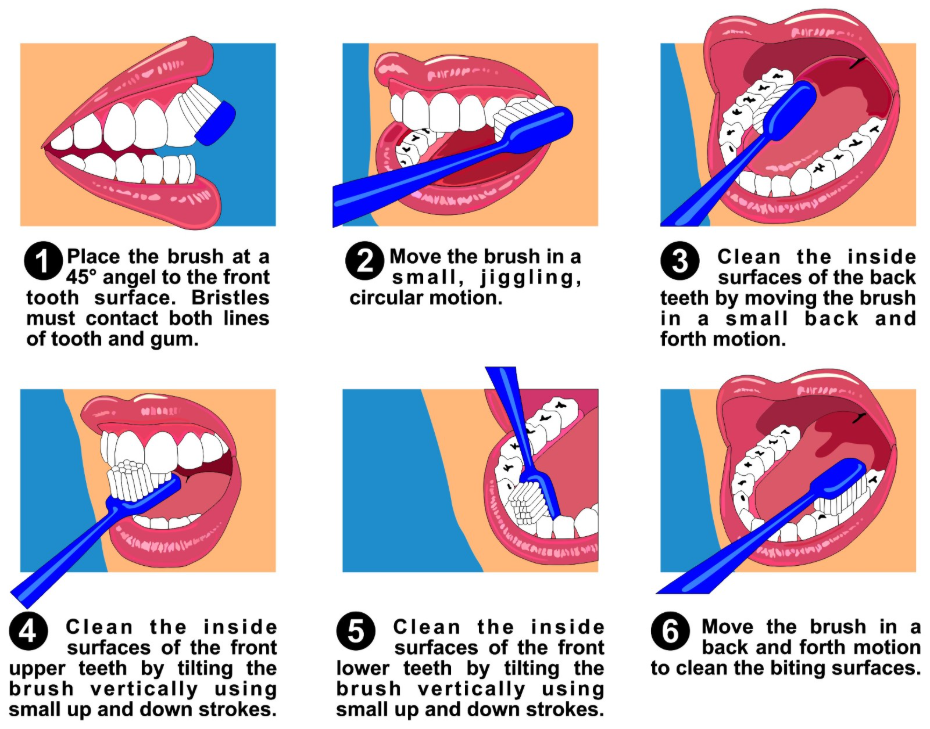
Shutterstock
Spitting out excess toothpaste without rinsing with water immediately afterward is also recommended, as this keeps the protective fluoride in contact with the teeth for longer. This habit not only prevents the decay that leads to odour but also strengthens the enamel against bacterial attack. The NHS provides detailed guidance on the most effective ways to brush and maintain oral health.
The Role of Interdental Cleaning
Brushing alone only cleans about 60% of the tooth’s surface; the remaining 40% is located between the teeth, where a standard toothbrush cannot reach. These interdental spaces are prime locations for the accumulation of food debris and anaerobic bacteria, which are the most prolific producers of foul-smelling sulphur compounds. Failing to clean these areas is a common cause of halitosis even in individuals who brush regularly.
Using interdental brushes or dental floss once a day is an essential habit for preventing the inflammation and decay that cause bad breath. Interdental brushes are often preferred for larger gaps, as they are more effective at mechanically disrupting the plaque. Incorporating this habit into an evening routine ensures that no food particles are left to decompose between the teeth overnight. NICE clinical summaries emphasize that interdental cleaning is vital for the prevention of periodontal disease and associated malodour.
Daily Tongue Maintenance
The back of the tongue is the largest reservoir of odour-producing bacteria in the mouth. Developing the habit of cleaning the tongue daily either with a dedicated tongue scraper or a firm toothbrush can reduce halitosis by up to 75%. The tongue’s surface is covered in tiny papillae that trap dead cells and food fragments, creating a “coating” that acts as a breeding ground for sulphur-producing microbes.
Gently scraping the tongue from back to front removes this biofilm before it can produce significant levels of gas. This habit is most effective when performed in the morning to clear the “morning breath” coating that develops during sleep. Consistent tongue cleaning also improves the sense of taste by keeping the taste buds free from debris.
Hydration and Saliva Stimulation
Saliva is the mouth’s natural defence against bad breath, as it washes away food particles and neutralises bacterial acids. Dehydration leads to a dry mouth (xerostomia), which is one of the most common precursors to halitosis. Developing the habit of drinking plenty of water throughout the day ensures that the salivary glands can produce an adequate flow of saliva.
In addition to hydration, certain dietary habits can help stimulate saliva flow. Chewing sugar-free gum after meals, particularly gum containing xylitol, encourages saliva production and helps physically dislodge food particles. Avoiding excessive caffeine and alcohol, both of which can have a drying effect on the oral mucosa, is also a key preventative habit.
Dietary and Lifestyle Adjustments
What you eat and how you live have a direct impact on the scent of your breath. While certain foods like garlic and onions cause temporary “exogenous” halitosis as their oils are absorbed into the blood and exhaled, a diet high in sugar can lead to long-term breath issues by promoting tooth decay.
| Habit | Impact on Breath Prevention |
| Quitting Smoking | Removes tobacco odour and improves gum health and blood flow. |
| Reducing Sugar | Lowers the risk of decay and the bacterial growth associated with it. |
| Eating Fibrous Foods | Crunchy vegetables like carrots help mechanically clean the teeth. |
| Rinsing After Meals | Helps remove food debris when brushing is not possible. |
Smoking cessation is particularly impactful, as tobacco use not only has its own distinct smell but also significantly increases the risk of gum disease, which is a leading cause of chronic halitosis.
Conclusion
Preventing halitosis is a matter of consistent, daily commitment to several key hygiene and lifestyle habits. By combining thorough brushing and interdental cleaning with daily tongue maintenance and adequate hydration, most individuals can maintain fresh breath indefinitely. These habits address the biological root causes of odour, ensuring the oral environment remains healthy and balanced. If you experience severe, sudden, or worsening symptoms, call 999 immediately.
Is it better to brush before or after breakfast?
The NHS generally recommends brushing before breakfast to protect the enamel with fluoride or waiting at least 30 to 60 minutes after eating acidic foods to avoid damaging softened enamel.
Does mouthwash replace the need for flossing?
No, mouthwash cannot mechanically remove the plaque and food particles trapped between the teeth; it is a supplement to, not a replacement for, interdental cleaning.
Can I prevent bad breath by just drinking more water?
Water helps by preventing dry mouth and rinsing the oral cavity, but it cannot remove the bacterial biofilm on the teeth and tongue that causes most halitosis.
How often should I replace my toothbrush?
You should change your toothbrush or electric brush head every three months, or sooner if the bristles become splayed, to ensure it remains effective at removing plaque.
Does chewing gum clean my teeth?
Sugar-free gum stimulates saliva and can help remove some surface debris, but it does not remove the sticky plaque that causes decay and bad breath.
Can stress affect my breath?
Yes, stress can cause a dry mouth, so maintaining hydration and good hygiene is even more important during busy or stressful periods.
Is tongue scraping safe to do every day?
Yes, if you use gentle pressure, daily tongue scraping is safe and is highly recommended for long-term breath management.
Authority Snapshot (E-E-A-T)
This article provides evidence-based guidance on the daily habits required to prevent halitosis, aligned with UK health standards from the NHS and NICE. The information focuses on mechanical plaque control and physiological health and has been reviewed by Dr. Stefan Petrov to ensure clinical accuracy. This content is intended for general educational purposes.



