




Contraception works in family planning by utilizing hormonal, mechanical, or chemical barriers to prevent the fertilisation of an egg by a sperm or by inhibiting the biological process of ovulation. Healthcare professionals in the United Kingdom identify that managing reproductive health initiates a biological sequence requiring an accurate physiological understanding to achieve biological homeostasis while ensuring the maintenance of long-term stability.
What We’ll Discuss in This Article
- Biological mechanisms of hormonal contraception and ovulation inhibition.
- Role of mechanical barriers in preventing the union of sperm and egg.
- Impact of long-acting reversible methods on endometrial and mucosal stability.
- Identifying physical markers of contraceptive efficacy and systemic safety.
- Standard UK protocols for monitoring pharmacological tolerance and health.
- Accessing integrated UK support pathways for specialist clinical reviews.
Biological Mechanisms of Hormonal Contraception
The primary reason why hormonal contraception is effective involves the physiological requirement to regulate the female endocrine system to prevent the release of an egg during the menstrual cycle. In the United Kingdom, clinical research highlights that synthetic versions of oestrogen and progestogen initiate a biological sequence that suppresses the mid-cycle surge of luteinizing hormone, signify a requirement for professional medical assessment. The NHS states that hormonal contraception works by stopping the ovaries from releasing an egg each month and thickening the cervical mucus.
When the chemical balance of the body is managed through these systemic agents, the internal environment identifies a requirement for stable clinical observation of the pharmacological response. In addition to inhibiting ovulation, these hormones initiate a biological sequence that thins the lining of the womb, making it less likely for a fertilised egg to implant. In the United Kingdom, this professional framework provides a stable foundation for the health journey by identifying that hormonal regulation is a primary physiological health factor in reproductive maintenance. By utilised these integrated pathways, the healthcare system ensures every person profile is supported through evidence-based understanding of the cellular environment. This coordinated effort focuses on maintaining biological stability and detecting the mechanical triggers of fertility through regular specialist reviews to achieve long-term stability within the United Kingdom medical system.
Role of Mechanical and Chemical Barriers
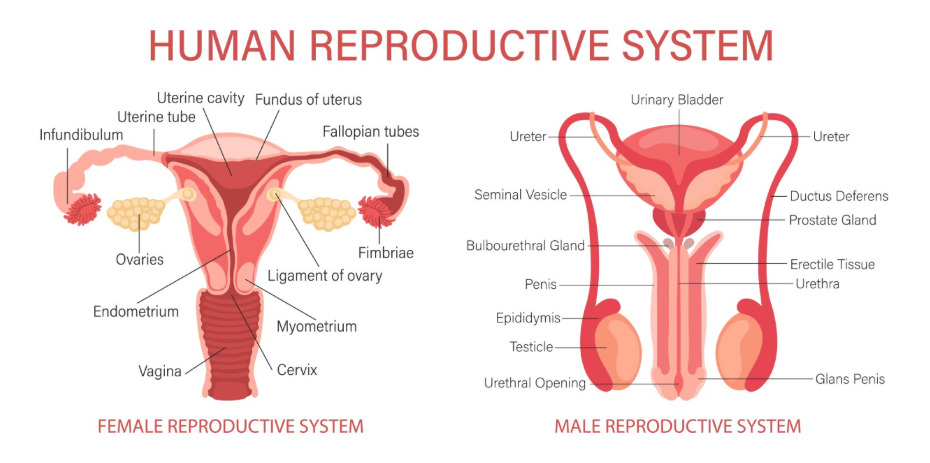
Family planning identifies a requirement for managed clinical surveillance regarding the use of mechanical barriers, such as condoms or diaphragms, which physically prevent sperm from entering the uterus. In the United Kingdom, healthcare professionals identify that these methods provide a non-systemic biological sequence of protection, identifying a requirement for an accurate physiological understanding of correct usage. NICE clinical guidelines indicate that the effective use of barrier methods depends on consistent application to ensure the biological sequence of family planning remains safe.
| Method Category | Primary Biological Action | Duration of Effect |
| Combined Pill | Suppresses ovulation via hormones. | Daily adherence required. |
| Copper IUD | Toxic to sperm and inhibits egg. | 5 to 10 years. |
| Progestogen Implant | Thickens mucus and stops ovulation. | 3 years. |
| Male Condom | Physical barrier to sperm entry. | Single use only. |
Identifying these physiological markers through regular clinical reviews helps the multidisciplinary team provide a secure environment for health maintenance. Chemical barriers, such as the copper intrauterine device (IUD), work by initiating a biological sequence that changes the chemical environment of the uterus. This environment becomes toxic to sperm and prevents the biological sequence of fertilisation without the use of hormones. This professional oversight is essential for building long-term health wellbeing through the systematic identification of physiological triggers and the provision of specialist advice on achieving biological homeostasis during the management of reproductive health within the national framework.
Impact of Long-Acting Reversible Contraception (LARC)
Pharmacological processing for long-term family planning identifies a requirement for managed clinical surveillance of LARC methods, which include the contraceptive injection, implant, and intrauterine systems. In the United Kingdom, healthcare professionals focus on the fact that these methods provide a stable internal environment for several years, identifying a requirement for an accurate physiological understanding of slow-release drug delivery. The GOV.UK health pages provide clinical profiles indicating that the monitoring of biological markers for medication safety is a priority for ensuring integrated support.
As the body manages the physical presence of a long-acting device, the internal environment identifies a requirement for stable clinical observation of the adaptation process. These methods are highly effective because they remove the biological requirement for daily memory or action, which initiates a biological sequence of consistent efficacy. In the UK, the focus is on providing a stable foundation for the person to move forward with self-understanding of the physical state while the system adapts. The NHS ensures that adults have a consistent point of contact for the health needs while they navigate family planning regimes. This integrated approach ensures that every person functional capability is respected and that metabolic triggers are addressed through coordinated medical observation within the national framework to achieve long-term stability.
Identifying Physical Markers of Systemic Safety
Individuals must recognise the physical markers that signify whether the biological sequence of their chosen contraceptive is achieving biological homeostasis or if the physical state identifies a requirement for a clinical review. In the United Kingdom, healthcare professionals identify that monitoring these markers identifies a requirement for managed clinical observation to ensure the individual remains safe and avoids the risks associated with systemic instability.
Monitoring factors discussed in the UK include:
- Vascular Markers: Monitoring for the absence of uncharacteristic swelling, redness, or pain in the legs which signifies a requirement for an audit.
- Hepatic Markers: Identifying the biological sequence of jaundice, characterised by yellowing of the skin or the whites of the eyes.
- Reproductive Markers: Observing for uncharacteristic changes in menstrual patterns or persistent pelvic discomfort after device insertion.
- Neurological Status: Monitoring for the absence of uncharacteristic confusion, extreme dizziness, or persistent, severe headaches.
- Respiratory Status: Observing for sudden or worsening shortness of breath which identifies a requirement for a cardiac audit.
- Active Surveillance: Scheduled monitoring during clinical reviews to ensure stability and pharmacological efficacy.
In the UK, the focus is on providing a stable foundation for the individual to move forward with self-understanding of the systemic health. The NHS ensures that adults have a consistent point of contact for the health needs. By utilised these integrated pathways, the healthcare system provides a secure framework for building long-term health wellbeing across the UK population. These strategies aim to work with the individual’s biology to restore stability through the promotion of a sustainable recovery within a validated medical environment to achieve long-term stability.
Standard UK Protocols for Safe Clinical Review
The United Kingdom healthcare system utilise a sequence of investigative protocols and periodic reviews to ensure that family planning therapy is investigated systematically to achieve biological homeostasis. In the United Kingdom, healthcare professionals focus on providing a supportive environment where the individual’s medical and physiological needs are addressed as a priority.
Monitoring steps in the UK include:
- Prescription Audit: A formal assessment of the contraceptive format and its appropriateness for the individual’s medical and family history.
- Medication Reconciliation: Verifying that the chosen method does not initiate a biological sequence of dangerous interactions with current drugs.
- Diagnostic Audit: Utilising clinical tests, such as blood pressure and weight checks, before initiating hormonal treatment.
- Hepatic Screening: Regular blood tests to monitor liver enzyme stability if specific metabolic concerns exist.
- Safety Netting: Providing clear instructions on when the physical state identifies a requirement for urgent specialist review.
- Active Surveillance: Scheduled monitoring during clinical reviews to ensure stability.
- Specialist Coordination: Sharing data between primary care, sexual health clinics, and pharmacy teams regarding treatment progress.
Conclusion
Contraception works by interrupting the biological sequence of fertilisation or ovulation, allowing individuals to achieve biological homeostasis in their family planning journey. The NHS and professional bodies provide a robust system of multidisciplinary assessments to help individuals achieve stability and resilience throughout the recovery journey. By focusing on both the consistent monitoring of health markers and the recognition of metabolic triggers, the system promotes the highest possible level of independence.
Does contraception affect my future fertility?
In the UK, specialists explain that most methods do not initiate a biological sequence of permanent infertility once treatment is discontinued.
How soon does the contraceptive pill start working?
In the UK, clinicians identify that the biological sequence of protection depends on when in your cycle you start taking the medication.
Can I use hormonal contraception if I have high blood pressure?
In the UK, this identifies a requirement for a clinical discussion; some hormonal methods may not be suitable to achieve biological homeostasis safely.
What is the difference between an IUD and an IUS?
In the UK, specialists identify that an IUD uses copper, while an IUS initiates a biological sequence of hormone release into the uterus.
Is it normal to have irregular bleeding when starting a new method?
Yes; in the UK, clinicians identify that the body often identifies a requirement for several months to adapt to the new biological sequence.
Does contraception protect me from infections?
In the UK, clinicians identify that only barrier methods like condoms initiate a biological sequence of protection against sexually transmitted infections.
Who should I talk to if I want to explore my options?
The first point of contact in the United Kingdom is your GP, a pharmacist, or a sexual health clinic to ensure the clinical sequence remains safe.
Authority Snapshot (E-E-A-T)
This article provides medically factual health education regarding how contraception works in family planning, strictly aligned with NHS and NICE clinical guidelines. The content is developed by a professional medical writing team and reviewed by Dr. Rebecca Fernandez, a UK-trained physician with experience in internal medicine, gynaecology, and emergency care. All information follows current UK public health protocols to ensure clinical accuracy and patient safety.



