




Metabolic syndrome increases the risk of fatty liver disease by creating a biological environment where the liver is forced to process and store an excessive amount of fat due to systemic imbalances in insulin and glucose. Metabolic syndrome is not a single disease but a cluster of conditions including high blood pressure, high blood sugar, excess body fat around the waist, and abnormal cholesterol levels. When these conditions occur together, they trigger insulin resistance, which alters how the body distributes energy and lipids. Instead of being used by muscles or stored safely in peripheral fat cells, free fatty acids are diverted to the liver in large volumes. Over time, this overwhelming influx leads to the accumulation of fat within liver cells, a condition known as non-alcoholic fatty liver disease. In the United Kingdom, managing metabolic syndrome is a primary strategy for preventing the progression of liver damage and reducing the risk of long term complications like cirrhosis.
What We’ll Discuss in This Article
- The definition of metabolic syndrome and its core components.
- How insulin resistance drives the accumulation of fat in the liver.
- The role of adipose tissue in releasing harmful fatty acids.
- The impact of high blood sugar on liver fat production.
- Why the combination of metabolic factors increases inflammation.
- Strategies for managing metabolic health to protect the liver.
Understanding Metabolic Syndrome and the Liver
Metabolic syndrome acts as a significant predictor for liver health because the liver is the central organ responsible for regulating the body’s metabolism. When an individual has a combination of high blood pressure, obesity, and abnormal blood fats, the liver becomes the site where these systemic issues manifest physically. The NHS states that non-alcoholic fatty liver disease is often linked to metabolic syndrome, which is a group of problems including obesity, type 2 diabetes, and high blood pressure.
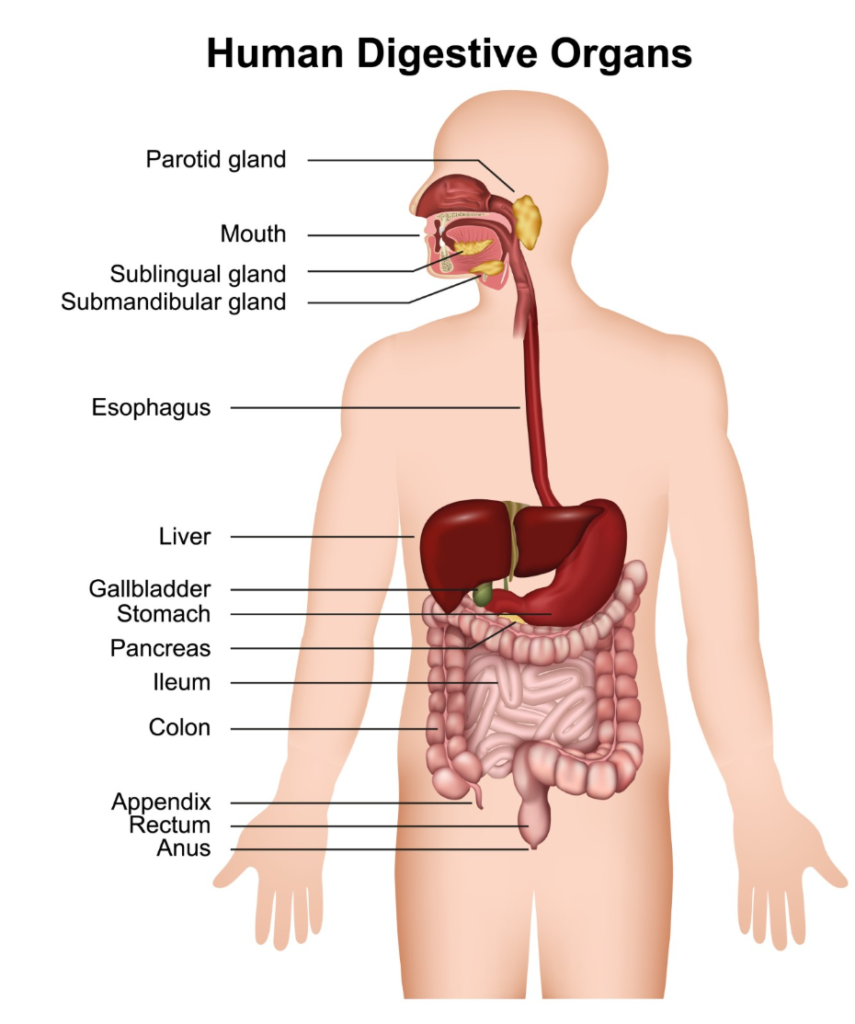
The presence of metabolic syndrome signals that the body is struggling to manage its energy stores. This dysfunction causes the liver to shift from its normal role of energy production to a state of chronic fat storage. Because the liver does not have an infinite capacity to store fat safely, this buildup eventually interferes with cellular function. In the UK, healthcare professionals use the presence of metabolic syndrome as a key indicator to screen patients for potential liver inflammation.
The Role of Insulin Resistance
Insulin resistance is the primary mechanism through which metabolic syndrome causes fat to accumulate in the liver. In a healthy body, the hormone insulin tells cells to absorb glucose from the blood for energy; however, in metabolic syndrome, the body’s cells stop responding effectively to insulin. To compensate, the pancreas produces even more insulin, leading to high levels of the hormone in the bloodstream.
These high insulin levels have a direct and negative impact on the liver. High insulin signals the liver to stop breaking down its existing fat stores and instead begin a process called de novo lipogenesis, where it creates new fat molecules from excess blood sugar. Furthermore, insulin resistance in the fat cells (adipose tissue) prevents them from holding onto stored fats, causing a constant leak of free fatty acids into the blood. These fatty acids travel directly to the liver, where they are taken up and stored, leading to the characteristic fat buildup of fatty liver disease.
Adipose Tissue Dysfunction and Fatty Acid Influx
Metabolic syndrome often involves an increase in visceral fat, which is the fat stored deep inside the abdomen around the organs. Unlike the fat under the skin, visceral fat is metabolically active and highly inflammatory. When a person has metabolic syndrome, this adipose tissue becomes dysfunctional and “overloaded,” meaning it can no longer safely store more lipids.
| Metabolic Component | Impact on the Liver |
| Abdominal Obesity | Increases the flow of free fatty acids to the liver. |
| High Triglycerides | Contributes directly to the fat load stored in liver cells. |
| High Blood Sugar | Provides raw material for the liver to manufacture new fat. |
| Low HDL (Good) Cholesterol | Reduces the body’s ability to remove excess fats from circulation. |
This dysfunction leads to a massive overflow of fats into the portal vein, which drains directly into the liver. The liver is essentially used as an “overflow tank” for the body’s excess energy. This constant bombardment not only fills the liver cells with fat but also introduces inflammatory chemicals produced by the visceral fat, which can trigger the transition from simple fat buildup to more serious liver scarring.
High Blood Sugar and Lipogenesis
High blood sugar, a hallmark of metabolic syndrome and type 2 diabetes, provides the raw materials the liver needs to produce its own fat. When blood glucose levels are consistently high, and the muscles are not using that glucose due to inactivity or insulin resistance, the liver converts the sugar into triglycerides through chemical pathways.
This process is particularly aggressive when the diet is high in fructose, a type of sugar processed almost exclusively by the liver. The combination of high systemic blood sugar and the liver’s own fat production creates a “double hit” of fat accumulation. NICE clinical guidelines highlight that managing blood glucose levels is a fundamental part of treating non-alcoholic fatty liver disease, as it addresses the source of the fat production. For many patients in the UK, improving blood sugar control through diet and medication is the most effective way to “starve” the liver of the materials it uses to create excess fat.
Systemic Inflammation and Liver Damage
Metabolic syndrome increases the risk of fatty liver disease progressing to more dangerous stages by creating a state of chronic, low grade inflammation throughout the body. The same inflammatory markers that are elevated in heart disease and diabetes are also found in the liver tissue of people with metabolic syndrome. This inflammation irritates the liver cells, causing them to become stressed and eventually die.
As liver cells die, the body attempts to repair the damage by creating scar tissue (fibrosis). In the presence of metabolic syndrome, this repair process is often disordered and excessive. The combination of fat, insulin resistance, and systemic inflammation creates a “perfect storm” that can lead to cirrhosis over many years. Clinical monitoring in the UK focuses on identifying this inflammation early through blood tests and non-invasive scans before permanent scarring occurs.
Conclusion
Metabolic syndrome increases fatty liver disease risk by driving insulin resistance, which forces the liver to manufacture and store excessive amounts of fat. The combination of high blood sugar, abdominal obesity, and systemic inflammation creates a cycle of damage that can lead to progressive liver scarring if left unmanaged. By addressing the components of metabolic syndrome through healthy lifestyle choices and medical support, it is possible to reduce the burden on the liver and improve overall health. If you experience severe, sudden, or worsening symptoms, call 999 immediately.
If I have high blood pressure, should I get my liver checked?
High blood pressure is one part of metabolic syndrome, so it is worth discussing a liver function blood test with your healthcare provider.
Can losing weight around my waist help my liver?
Yes, reducing abdominal fat is one of the most effective ways to lower the amount of fat being sent to your liver.
Does metabolic syndrome always lead to liver scarring?
No, many people have fat in their liver that never progresses to scarring, but the risk is higher if you have multiple metabolic issues.
Is there a medication for metabolic syndrome that helps the liver?
While there is no specific “liver drug,” medications that manage blood sugar or cholesterol can significantly reduce liver stress.
Why is insulin resistance so important for the liver?
Insulin resistance is the “master switch” that tells the liver to stop burning fat and start storing it, leading to fatty liver disease.
Can I have metabolic syndrome if I am not overweight?
Yes, some people have a healthy weight but still have high blood pressure or insulin resistance, which can affect the liver.
Does exercise help even if I don’t lose weight?
Yes, exercise improves insulin sensitivity, which helps the liver process fat more efficiently even if the scales don’t move.
Authority Snapshot (E-E-A-T)
This article provides medically factual health information regarding the link between metabolic syndrome and liver health, strictly aligned with NHS and NICE clinical guidelines. The content is developed by a professional medical writing team and reviewed by Dr. Rebecca Fernandez, a UK-trained physician with experience in internal medicine, surgery, and emergency care. All guidance follows current UK public health standards to ensure accuracy and patient safety.



