




Neurodiversity influences emotional regulation by altering the way the brain processes internal and external stimuli, often leading to more intense or rapid emotional responses in individuals with ADHD or autism. In the United Kingdom, healthcare professionals recognise that these emotional differences are rooted in the unique structure and chemistry of the neurodivergent brain rather than being a matter of choice or personality. By understanding the biological drivers of emotional dysregulation, such as executive function challenges and sensory processing sensitivities, individuals can access targeted support through the NHS. Integrated management pathways in the UK focus on developing personal regulation strategies and implementing environmental adjustments to support long-term emotional wellbeing. This approach ensures that the person’s neurological profile is respected while providing practical tools for navigating daily social and professional interactions safely.
What We’ll Discuss in This Article
- The biological basis of emotional regulation in the neurodivergent brain.
- How executive function challenges in ADHD impact emotional control.
- The influence of sensory processing sensitivities on emotional responses in autism.
- Distinguishing between neurodivergent emotional traits and co-occurring mental health conditions.
- Practical strategies for managing emotional intensity in daily life.
- Accessing integrated NHS multidisciplinary support for emotional health.
The Biological Basis of Neurodivergent Emotion
Emotional regulation is influenced by the way the brain’s emotional centres, such as the amygdala, communicate with the prefrontal cortex, which is responsible for logical reasoning and impulse control. In the United Kingdom, clinical frameworks for neurodiversity acknowledge that in ADHD and autism, this communication pathway may function differently, leading to emotions being felt more intensely. The NHS states that being neurodivergent means your brain works, learns and processes information differently from other people.
These biological variations mean that the “top-down” regulation usually provided by the prefrontal cortex may be less efficient in filtering emotional impulses. In the UK, this professional framework provides a stable foundation for the management journey by identifying that these responses are innate biological traits. By utilised these integrated pathways, the healthcare system ensures that every person’s profile is supported through evidence-based understanding. This coordinated effort between primary care and specialists provides a secure environment for building emotional resilience.
ADHD and Emotional Impulsivity
In ADHD, emotional regulation is often influenced by challenges in executive function, specifically regarding the ability to inhibit immediate reactions and manage the “volume” of an emotional response. In the United Kingdom, specialists recognise that emotional impulsivity is a core aspect of the ADHD profile, often manifesting as sudden frustration, impatience, or intense excitement. NICE clinical guidelines for ADHD indicate that the condition should be managed with a multidisciplinary approach that considers the individual’s functional needs across social and emotional domains.
| Regulation Domain | Typical Functioning | ADHD Influenced Functioning |
| Inhibition | Ability to pause before reacting. | Rapid emotional response without a pause. |
| Attention | Ability to shift focus away from a trigger. | Hyperfocus on a distressing or exciting emotion. |
| Working Memory | Recalling past calm to manage the present. | Difficulty accessing coping tools in the moment. |
| Persistence | Sustaining effort despite frustration. | Higher likelihood of “quitting” due to frustration. |
In the UK, these challenges are managed through integrated care plans that prioritise a person-centred approach. Identifying that a “meltdown” in ADHD is often the result of executive fatigue allows for more targeted support. This professional oversight is essential for providing a safe and accurate understanding of the individual’s functional capability. By building a robust evidence base through clinical review, the multidisciplinary team can provide more effective strategies for long-term emotional stability.
Autism and Sensory-Driven Emotion
Emotional regulation in autistic individuals is closely linked to sensory processing, where over-stimulation or under-stimulation can lead to significant emotional distress or shutdown. In the United Kingdom, healthcare professionals focus on the “sensory-emotional” link, acknowledging that a noisy or brightly lit environment can physically trigger a stress response. The GOV.UK health pages provide clinical profiles indicating that the monitoring of social and cognitive challenges is a priority for ensuring integrated support.
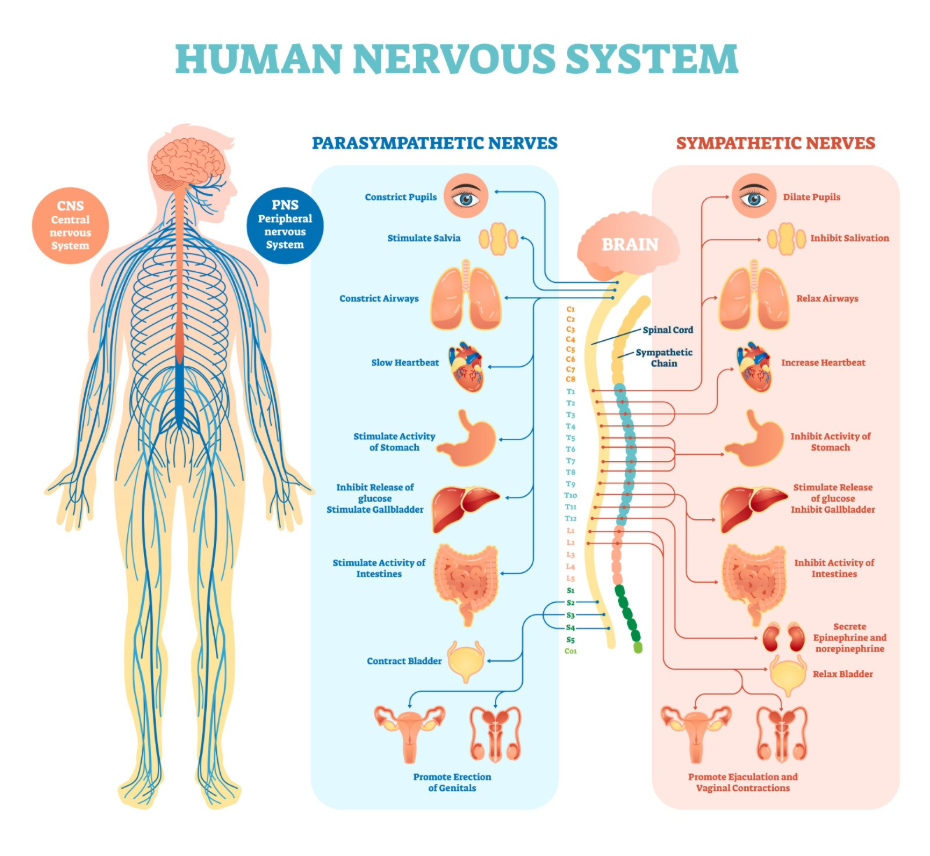
When the nervous system is overwhelmed by sensory input, the brain may enter a “fight or flight” state, leading to what is often described as a sensory meltdown. In the UK, the focus is on providing a stable foundation where the environment is adapted to reduce this baseline stress. Identifying these underlying drivers allows for more targeted help that addresses the biological cause of emotional distress. By utilised these professional frameworks, the UK system provides a life-long framework of support that evolves as the person matures. This approach acknowledges that emotional comfort is inextricably linked to sensory comfort.
Distinguishing Traits from Mental Health Conditions
It is vital to distinguish between the inherent emotional intensity of a neurodivergent profile and the symptoms of co-occurring mental health conditions such as anxiety or depression. In the United Kingdom, multidisciplinary assessments are used to ensure that emotional dysregulation is understood within the context of the person’s ADHD or autism rather than being misidentified as a separate mood disorder.
While a neurodiverse person may experience “rejection sensitive dysphoria” or intense grief over a change in routine, these are often direct results of their neurological wiring. However, the chronic stress of navigating a neurotypical world can lead to secondary mental health challenges. In the UK, this integrated care model ensures that the adult’s or child’s emotional potential is supported. This professional oversight is essential for providing a safe and accurate understanding of the individual’s emotional health. By acknowledged these biological differences, the system provides a more supportive framework for managing the person’s unique profile safely.
Practical Strategies for Emotional Regulation
Managing neurodivergent emotions in daily life involves using “bottom-up” sensory strategies and “top-down” cognitive tools to maintain a regulated state. In the United Kingdom, occupational therapists and psychologists work with individuals to develop a personal “toolbox” of techniques that can be used in the home, school, or workplace.
Commonly utilised strategies in the UK include:
- Sensory Pacing: Building “quiet periods” into the day to allow the nervous system to recover from input.
- Emotional Literacy: Using visual scales or journals to identify the early physical signs of a rising emotion.
- Environmental Control: Utilising noise-cancelling headphones or dimmable lighting to reduce baseline irritation.
- Cognitive Reframing: Learning to recognise when a response is being driven by “all-or-nothing” neurodivergent thinking.
- Physical Regulation: Using deep pressure or heavy work activities to ground the nervous system during distress.
In the UK, the focus is on providing a stable foundation where the person can manage their emotions successfully. Identifying these indicators early is vital for preventing the emotional exhaustion often referred to as neurodivergent burnout. By utilised these professional frameworks, the healthcare and vocational systems provide a secure environment for building professional and personal confidence.
Accessing Integrated NHS Support Pathways
The pathway for managing emotional regulation in the United Kingdom is a coordinated process involving GPs, specialist clinicians, and sometimes psychological therapists. This journey ensures that every individual receives a thorough review of their history and current environment to build a bespoke management plan.
The UK integrated support pathway involves:
- Initial Consultation: Discussing emotional intensity and functional impact with a GP or specialist.
- Multidisciplinary Assessment: Evaluating how neurological differences influence emotional responses.
- Adapted Therapy: Accessing psychological support, such as CBT, that has been modified for neurodiversity.
- Integrated Care Planning: Co-ordinating support between the health service, schools, or employers.
- Regular Monitoring: Scheduled reviews to ensure that regulation strategies remain effective over time.
In the UK, the focus is on providing a stable foundation for the individual to move forward with self-understanding. The NHS ensures that adults and children have a consistent point of contact for their health needs while they navigate their lives. This integrated approach ensures that the person’s unique way of functioning is respected within their home and work environment. By utilised these integrated pathways, the healthcare system provides a secure environment for building emotional wellbeing.
Conclusion
Neurodiversity profoundly influences emotional regulation in ADHD and autism by altering biological processing and sensory perception within the United Kingdom’s healthcare framework. The NHS and professional bodies provide a robust system of multidisciplinary assessments and reasonable adjustments to help individuals manage emotional intensity. By focusing on both biological differences and the need for inclusive environments, the system promotes the highest possible level of independence. Following a coordinated management plan with the help of medical and psychological experts ensures that unique adult and paediatric needs are addressed holistically.
Why do I feel emotions so much more than others?
In neurodiversity, the parts of the brain that process emotions may be more active, and the parts that “filter” them may work differently.
Is a “meltdown” the same as a temper tantrum?
No; a meltdown is an involuntary biological response to sensory or emotional overload, whereas a tantrum is usually goal-directed.
Can ADHD medication help with emotions?
For many in the UK, ADHD medication can help improve the “top-down” control of the brain, making emotions feel more manageable.
What is “rejection sensitive dysphoria”?
It is a term used to describe the intense emotional pain some neurodiverse people feel when they perceive rejection or criticism.
How can a quiet room help with anger?
If the anger is triggered by sensory overload, a quiet room allows the nervous system to calm down and return to a regulated state.
Does autism make it harder to understand emotions?
Some autistic people experience alexithymia, which is a difficulty in identifying or describing their own emotional states.
Who should I talk to first if I am struggling to cope?
The first point of contact in the United Kingdom is usually your GP to discuss your wellbeing and explore support options.
Authority Snapshot (E-E-A-T)
This article provides medically factual health education regarding neurodiversity and emotional regulation, strictly aligned with NHS and NICE clinical guidelines. The content is developed by a professional medical writing team and reviewed by Dr. Rebecca Fernandez, a UK-trained physician with experience in multiple clinical specialties including cardiology, emergency medicine, and psychiatry. All information follows current UK public health protocols to ensure clinical accuracy and patient safety.



